Choosing among the best computer processors for gaming means balancing frame rates, resolution, budget, cooling, and the rest of your PC build. The right CPU can improve performance today while leaving room for future upgrades.
This roundup compares ten desktop processors across current AMD and Intel platforms, including gaming-focused 3D V-Cache models, mainstream options, and budget-friendly chips.
Best 10 Computer Processors for Gaming Picks for 2026
Best Overall Gaming CPU
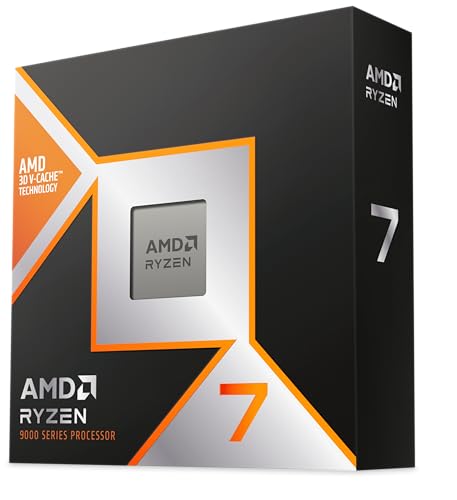
- Zen 5 processor with next-generation 3D V-Cache
- 8 cores, 16 threads, and up to 5.2GHz
- 96MB L3 cache; cooler sold separately
Best For: High-performance AM5 gaming builds
Best for Gaming and Multitasking
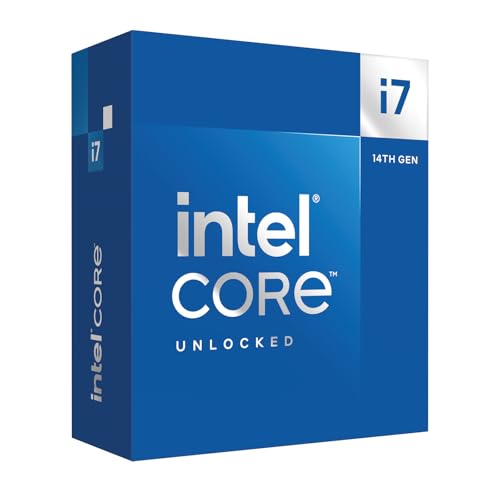
- 20 cores and 28 threads
- Up to 5.6GHz turbo speed
- Integrated graphics plus DDR4/DDR5 support
Best For: Gaming, streaming, and demanding multitasking
Best New X3D Option

- 8 cores and 16 threads
- 104MB of installed cache memory
- Built for Socket AM5 desktops
Best For: AM5 gaming builds using a Ryzen 7 X3D chip
Best for LGA1700 Value Builds

- 16 hybrid cores and 24 threads
- Up to 5.2GHz with an unlocked design
- Requires discrete graphics; supports LGA1700
Best For: LGA1700 gaming and multitasking desktops
Premium X3D Powerhouse

- 16 Zen 5 cores with up to 5.7 GHz boost
- 144 MB installed cache
- AM5 desktop processor for gaming and creation
Best For: High-end gaming and content-creation desktops
Versatile Intel Performer

- 8 performance plus 4 efficiency cores
- Up to 5.0 GHz with 20 threads
- Integrated Intel UHD Graphics
Best For: LGA1700 gaming and general-purpose desktops
Gaming-Focused Cache Choice

- 8 cores and 16 threads
- 96 MB L3 cache plus 8 MB L2
- AM5 processor with integrated Radeon Graphics
Best For: AM5 gaming desktops focused on cache and efficiency
High-End Zen 5 Powerhouse

- 12 cores and 24 threads
- Up to 5.6 GHz boost with overclocking
- AM5, DDR5-5600, and select PCIe 5.0 support
Best For: Enthusiast AM5 gaming builds and demanding multitasking
Balanced Zen 5 Gaming Pick

- 6 cores and 12 threads
- Up to 5.4 GHz boost with overclocking
- 65-watt AM5 processor with DDR5-5600 support
Best For: Mainstream AM5 gaming desktops
Value AM4 Starter

- 6 cores and 12 threads
- Includes Wraith Stealth cooler
- AM4 platform with DDR4-3200 support
Best For: Budget AM4 gaming builds with a discrete graphics card
Best Overall Gaming CPU – AMD Ryzen 7 9800X3D
The AMD Ryzen 7 9800X3D is a standout choice among computer processors for gaming, pairing Zen 5 architecture with next-generation 3D V-Cache. Its 8 cores, 16 threads, and up to 5.2GHz boost speed are suited to high-frame-rate gaming systems built on Socket AM5.
Best For: Gamers building a new high-performance AM5 desktop focused primarily on gaming.
Pros:
- Uses AMD Zen 5 technology and 3D V-Cache.
- 96MB of L3 cache supports gaming performance.
- Up to 5.2GHz clock speed with improved thermal performance over the previous generation.
- Drop-in ready for Socket AM5 infrastructure.
Cons:
- Cooler is not included.
- Requires an AM5-compatible motherboard.
With strong gaming-focused specifications and an efficient 8-core design, this processor is a practical premium pick for an AM5 upgrade, provided you budget for a separate cooler.
Best for Gaming and Multitasking – Intel Core i7-14700K
The Intel Core i7-14700K is one of the more versatile computer processors for gaming, combining 8 performance cores with 12 efficiency cores for 20 total cores and 28 threads. Its unlocked design, integrated graphics, and up to 5.6GHz turbo speed make it suitable for gaming alongside demanding desktop workloads.
Best For: Gamers who also stream, create content, or run several demanding applications.
Pros:
- 20 cores and 28 threads support gaming and multitasking.
- Up to 5.6GHz with Turbo Boost Max Technology 3.0.
- Integrated Intel UHD Graphics 770 is included.
- Supports DDR4 and DDR5 platforms.
Cons:
- Some Intel 600-series motherboards may require a BIOS update.
- Requires choosing between compatible DDR4 and DDR5 platform hardware.
The 14700K offers a broad feature set for a flexible desktop, especially if you want gaming performance plus substantial multitasking capacity and a built-in graphics option.
Best New X3D Option – AMD Ryzen 7 9850X3D
The AMD Ryzen 7 9850X3D is a gaming-oriented desktop processor for builders looking at AMD’s Ryzen 7 X3D lineup. It provides 8 cores, 16 threads, a listed 4.7GHz speed, and 104MB of installed cache memory on the Socket AM5 platform.
Best For: AM5 builders seeking an 8-core Ryzen 7 X3D processor for a Windows gaming desktop.
Pros:
- 8 cores and 16 threads provide a capable gaming foundation.
- 104MB of installed cache memory is listed.
- Uses the current Socket AM5 platform.
Cons:
- Supplied notes provide limited performance information beyond the core specifications.
- AM5 motherboard compatibility is required.
This processor is worth considering when you want an X3D-branded Ryzen 7 option on AM5, though buyers should compare current pricing and independent performance testing before choosing it over other models.
Best for LGA1700 Value Builds – Intel Core i9-12900KF
The Intel Core i9-12900KF remains a capable option among computer processors for gaming if you are building around Intel’s LGA1700 platform. Its hybrid design combines 8 performance cores and 8 efficiency cores, with 24 threads, an unlocked multiplier, and boost speeds up to 5.2GHz.
Best For: Gamers upgrading or building a desktop around an LGA1700 600- or 700-series motherboard with discrete graphics.
Pros:
- 16 hybrid cores and 24 threads support gaming and multitasking.
- Unlocked processor supports tuning.
- 30MB of L3 cache and up to 5.2GHz boost speed.
- Compatible with Intel 600- and 700-series chipsets.
Cons:
- Discrete graphics are required.
- Uses the older LGA1700 platform.
The 12900KF can make sense for an LGA1700-focused system, particularly when you already have a compatible motherboard or find the processor at an attractive price. Plan on using a dedicated graphics card.
Premium X3D Powerhouse – Ryzen 9 9950X3D
For shoppers comparing computer processors for gaming, the AMD Ryzen 9 9950X3D combines a 16-core Zen 5 design with up to a 5.7 GHz boost clock and 144 MB of installed cache. Its AM5 desktop platform also makes it a strong fit for demanding gaming and content-creation builds.
Best For: High-end desktop gaming and content creation where abundant cores, high boost speed, and large cache capacity are priorities.
Pros:
- 16 cores and up to 5.7 GHz boost clock
- 144 MB of installed cache
- Zen 5 architecture with AM5 socket support
- Designed for gaming and content creation
Cons:
- 170-watt power rating may require careful cooling and power planning
- Desktop-only processor; motherboard compatibility requires an AM5 socket
The Ryzen 9 9950X3D is the most expansive option in this group for buyers who want gaming capability alongside substantial multitasking and creation performance. Confirm AM5 motherboard and cooling compatibility before purchasing.
Versatile Intel Performer – Core i7-12700K
Among computer processors for gaming, the Intel Core i7-12700K offers a balanced desktop setup with 8 performance cores, 4 efficiency cores, 20 concurrent threads, and boost speeds up to 5.0 GHz. It also includes Intel UHD Graphics, which can be useful for compatible systems without a discrete graphics card.
Best For: Gaming desktops and demanding everyday applications built around an LGA1700 motherboard.
Pros:
- 12 total cores in an 8P+4E configuration
- 20 concurrent threads and up to 5.0 GHz turbo speed
- 25 MB cache for instruction processing
- Integrated Intel UHD Graphics controller
Cons:
- Cooling fan is not included
- Requires an LGA1700 socket and compatible 600-series chipset
- 125-watt power rating should be considered when selecting cooling
The Core i7-12700K remains a practical choice for a capable Intel desktop build, especially if integrated graphics are useful. Plan for a separate cooler and verify the motherboard platform before buying.
Gaming-Focused Cache Choice – Ryzen 7 7800X3D
The AMD Ryzen 7 7800X3D is a focused option for shoppers evaluating computer processors for gaming. It pairs an 8-core, 16-thread design with 8 MB of L2 cache and 96 MB of L3 cache, plus a 4.20 GHz clock speed and integrated AMD Radeon Graphics.
Best For: AM5 gaming desktops that benefit from generous cache capacity and a straightforward 8-core, 16-thread design.
Pros:
- 8 cores and 16 concurrent threads
- 104 MB of listed total cache, including 96 MB of L3
- 4.20 GHz clock speed
- Integrated AMD Radeon Graphics controller
Cons:
- AM5 motherboard compatibility is required
- 120-watt power rating should be matched with suitable cooling
- Offers fewer cores than the Ryzen 9 option for heavily threaded workloads
With its large cache allocation and gaming-oriented 8-core layout, the Ryzen 7 7800X3D is a sensible fit for an AM5 gaming build. Its integrated Radeon Graphics can also provide basic graphics output when appropriate.
High-End Zen 5 Powerhouse – Ryzen 9 9900X
For shoppers comparing computer processors for gaming, the AMD Ryzen 9 9900X is a high-end option built around AMD’s Zen 5 architecture. Its 12 cores, 24 threads, high boost speed, and AM5 platform make it well suited to demanding gaming and multitasking builds.
Best For: Enthusiasts building a powerful AM5 gaming desktop with room for overclocking and future platform features.
Pros:
- 12 cores and 24 threads for demanding workloads and gaming
- Up to 5.6 GHz boost speed and unlocked overclocking support
- 76 MB cache, DDR5-5600 support, and PCIe 5.0 support on select motherboards
- Designed for smooth 100+ FPS performance in popular games
Cons:
- Cooler is not included
- Requires an AM5-compatible motherboard and DDR5 memory
- Its 120-watt rating may call for capable cooling
The Ryzen 9 9900X is the strongest all-around choice here for buyers prioritizing core count, modern platform support, and high-end performance. Budget separately for a compatible cooler and AM5 components.
Balanced Zen 5 Gaming Pick – Ryzen 5 9600X
The AMD Ryzen 5 9600X is a practical choice for shoppers comparing computer processors for gaming on the AM5 platform. It combines six Zen 5 cores, 12 threads, a 5.4 GHz maximum boost, and an efficient 65-watt rating for a balanced gaming build.
Best For: Mainstream gamers who want modern AM5 features and strong performance without stepping up to a 12-core processor.
Pros:
- 6 cores and 12 threads for gaming and everyday desktop use
- Up to 5.4 GHz boost speed and unlocked overclocking support
- 38 MB cache with DDR5-5600 support
- Supports PCIe 5.0 on select AM5 motherboards
Cons:
- Cooler is not included
- Requires an AM5 motherboard and DDR5 memory
- Lower core count than the Ryzen 9 9900X
The Ryzen 5 9600X offers a sensible middle ground for a new gaming PC: current platform support, an unlocked design, and a lower 65-watt rating. Remember to include a compatible CPU cooler in the build budget.
Value AM4 Starter – Ryzen 5 5500
AMD Ryzen 5 5500 6-Core, 12-Thread Unlocked Desktop Processor with Wraith Stealth Cooler
Check Price On AmazonFor budget-conscious shoppers seeking computer processors for gaming, the AMD Ryzen 5 5500 is an accessible AM4 option. It provides six cores, 12 threads, unlocked overclocking, and a bundled Wraith Stealth cooler, while requiring a discrete graphics card for gaming.
Best For: Affordable AM4 gaming upgrades or entry-level desktop builds that already use DDR4 memory.
Pros:
- 6 cores and 12 threads for gaming and general desktop tasks
- Includes the AMD Wraith Stealth cooler
- Up to 4.2 GHz boost speed and unlocked overclocking support
- Supports DDR4-3200 on the established AM4 platform
Cons:
- Requires a discrete graphics card
- Uses the older AM4 platform rather than AM5
- Lower boost speed and cache capacity than the newer Ryzen 5 9600X
The Ryzen 5 5500 is the practical value pick when compatibility with an AM4 motherboard and DDR4 memory matters. Its included cooler can simplify the build, but plan on adding a dedicated graphics card.
How We Picked These Computer Processors for Gaming
We selected processors that cover a broad range of gaming needs, prices, and platform generations. Our evaluation focuses on gaming performance potential, core and thread counts, boost-clock capability, upgrade paths, platform compatibility, and overall value. We also considered whether each chip makes sense for a new build or is better suited to an existing compatible motherboard.
Specifications can vary by motherboard, BIOS version, memory configuration, graphics card, and game. Treat benchmark results as useful guidance rather than a guarantee of identical performance in every system.
Quick Comparison
| Best For | Recommended Type | What to Look For |
|---|---|---|
| Maximum gaming performance | High-end AMD X3D processor | Large cache, strong per-core performance, capable cooling |
| Gaming and heavy multitasking | High-core-count AMD or Intel processor | More cores, strong sustained cooling, suitable power delivery |
| Balanced new gaming PC | Modern six- or eight-core processor | Current platform support, fast memory compatibility, upgrade headroom |
| Value upgrade | Older compatible Ryzen or Intel processor | Existing motherboard support and total platform cost |
Key Buying Factors for Computer Processors for Gaming
Gaming Performance and Cache
Clock speed alone does not determine gaming performance. Architecture, instructions per clock, cache, memory latency, and game-engine optimization all matter. AMD X3D models use expanded cache to deliver particularly strong results in many CPU-limited games, while conventional CPUs can offer excellent all-around performance and productivity value.
Core Count and Upgrade Needs
Six cores and twelve threads remain a practical starting point for mainstream gaming, while eight cores provide more breathing room for streaming, background applications, and demanding future titles. Twelve- and sixteen-core processors are most useful when gaming is combined with video editing, content creation, compiling, or other heavily threaded workloads.
Socket, Chipset, and Memory
Confirm the processor socket and chipset before buying. A CPU may require a BIOS update, a specific motherboard generation, DDR4 or DDR5 memory, or a different cooler mounting kit. Calculate the cost of the complete platform—not just the processor—when comparing older and newer options.
Cooling and Power
Check whether a cooler is included and whether it can handle the chip’s sustained power. High-performance processors generally benefit from a capable tower air cooler or liquid cooler, along with a motherboard that has adequate power delivery and updated firmware.
Who Should Buy Which Computer Processors for Gaming?
Choose a high-end X3D processor if your priority is maximum gaming frame rates, especially with a powerful graphics card and a high-refresh monitor. Pick a high-core-count model if you regularly stream, create content, or run demanding applications alongside games. A modern six- or eight-core chip is often the best balance for a new midrange gaming PC.
Older Intel and AMD options can still be smart purchases when you already own a compatible motherboard, memory, and cooler. For a low-cost upgrade or entry-level build, a budget six-core processor may leave more money for the graphics card, which usually has the largest effect on gaming performance at higher resolutions.