Choosing among the best computer processors for streaming means balancing gaming performance, encoding power, multitasking, and platform cost. The right CPU can keep gameplay smooth while handling broadcast software, alerts, chat, recording, and background apps.
This roundup compares 10 processors across AMD and Intel platforms, from affordable chips with integrated graphics to flagship CPUs built for demanding gaming and content-creation workloads.
Best 10 Computer Processors for Streaming Picks for 2026
Creator Powerhouse

- 16 cores and 32 threads
- 5.7 GHz boost with 80 MB cache
- DDR5-5600 and AM5 support
Best For: High-end streaming and content creation
Efficient Hybrid Performer

- 24 cores: 8 P-cores and 16 E-cores
- Up to 5.7 GHz and 40 MB cache
- Integrated Intel Graphics included
Best For: Flexible high-performance streaming PCs
Balanced Entry Choice

- 6 cores and 12 threads
- 5.4 GHz boost with 38 MB cache
- 65-watt AM5 processor
Best For: Gaming and occasional streaming
Overclocking Enthusiast

- 24 cores with 8 P-cores and 16 E-cores
- 5.5 GHz boost and 40 MB cache
- DDR5-7200 and PCIe 5.0 support
Best For: Tuned streaming and creator builds
Top Gaming Pick
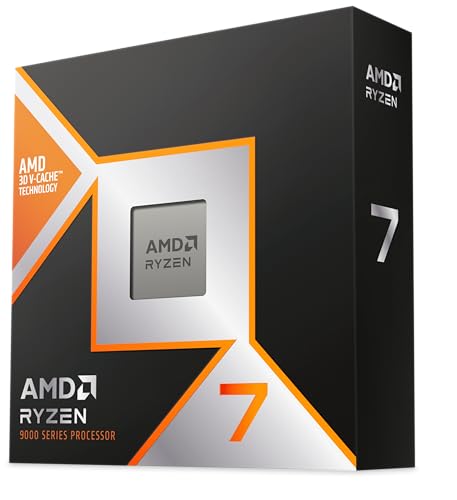
- 8 cores and 16 threads
- 96MB L3 cache with 3D V-Cache
- Up to 5.2GHz boost clock
Best For: Gaming-focused streamers building on AM5
Integrated Graphics Value

- 12 cores and 20 threads
- Up to 5.0GHz turbo speed
- Integrated Intel UHD Graphics
Best For: Versatile LGA1700 streaming desktops
High-End Content Creation

- 16-core Zen 5 design
- Up to 5.7GHz boost clock
- 144MB of listed cache
Best For: Demanding streaming and content-creation workloads
High-Core Creator Pick

- 16 cores and 32 threads
- 4.8 GHz Max Boost with unlocked overclocking
- AM4, DDR4-3200, and PCIe 4.0 support
Best For: Streamers combining broadcasting with demanding content creation
Gaming-First Streaming Pick

- 8 cores and 16 threads
- 96 MB L3 cache
- AM5 platform with Radeon Graphics
Best For: Gaming-focused streamers building an AM5 desktop
Simple Starter Streaming Pick
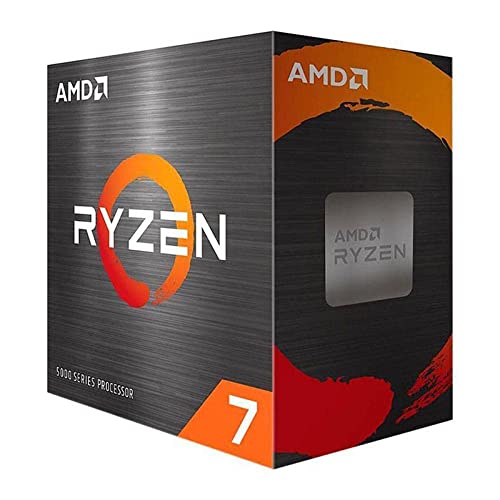
- 8 cores and 16 threads
- Integrated Radeon Graphics for 1080p gaming
- Wraith Stealth cooler included
Best For: Budget-conscious AM4 builds without a dedicated graphics card
Creator Powerhouse – Ryzen 9 9950X
For demanding computer processors for streaming setups, the AMD Ryzen 9 9950X combines 16 cores and 32 threads with Zen 5 architecture. Its 5.7 GHz boost clock, 80 MB cache, DDR5-5600 support, and unlocked design make it a strong choice for simultaneous gaming, streaming, and content creation.
Best For: High-end streamers, video creators, and gamers who need substantial multitasking headroom.
Pros:
- 16 cores and 32 threads support demanding multitasking.
- Up to 5.7 GHz boost speed and 80 MB cache.
- Supports DDR5-5600, PCIe 5.0 on select motherboards, and overclocking.
Cons:
- Cooler is not included.
- AMD recommends liquid cooling.
- Requires an AM5 motherboard.
The Ryzen 9 9950X is the most creator-focused option here, particularly when streaming is paired with gaming or production work. Plan for a capable liquid cooler and compatible AM5 platform.
Efficient Hybrid Performer – Core Ultra 9 285K
Intel Core Ultra 9 Processor 285K, 24 cores (8 P-cores + 16 E-cores) up to 5.7 GHz
Check Price On AmazonThe Intel Core Ultra 9 285K is a versatile option among computer processors for streaming, with 24 cores split between 8 performance cores and 16 efficiency cores. It adds integrated Intel Graphics, a boost speed up to 5.7 GHz, and support for Intel 800-series motherboards, PCIe 5.0, and PCIe 4.0.
Best For: Streamers who want high core counts, integrated graphics, and a hybrid performance design.
Pros:
- 24-core configuration distributes demanding workloads.
- Integrated Intel Graphics is included.
- Unlocked up to 5.7 GHz with 40 MB cache.
- Supports PCIe 5.0, PCIe 4.0, and Intel 800-series motherboards.
Cons:
- No thermal solution is included.
- Requires an LGA 1851 motherboard.
- Has 24 threads despite its 24 cores.
With integrated graphics and a mix of performance and efficiency cores, this processor offers a flexible foundation for a streaming PC. Budget separately for cooling and an Intel 800-series motherboard.
Balanced Entry Choice – Ryzen 5 9600X
The AMD Ryzen 5 9600X is a practical starting point for computer processors for streaming when you also want strong gaming performance. Its six Zen 5 cores, 12 threads, 5.4 GHz boost clock, and 65-watt rating provide a comparatively efficient foundation for a gaming-and-streaming build.
Best For: Budget-conscious gamers who stream while playing and do not need a high-end core count.
Pros:
- Six cores and 12 threads support gaming and streaming workloads.
- Up to 5.4 GHz boost speed and 38 MB cache.
- 65-watt rating and support for DDR5-5600.
- Unlocked for overclocking on the AM5 platform.
Cons:
- Cooler is not included.
- Six cores provide less multitasking headroom than the other processors here.
- PCIe 5.0 support depends on the motherboard.
The Ryzen 5 9600X makes the most sense for a focused gaming-and-streaming system rather than a heavy production workstation. Its AM5 compatibility also gives the build access to a current platform.
Overclocking Enthusiast – Core Ultra 7 270K Plus
Intel Core Ultra 7 processor 270K Plus, 24 cores (8 P-cores + 16 E-cores) up to 5.5 GHz
Check Price On AmazonThe Intel Core Ultra 7 270K Plus is aimed at enthusiasts building computer processors for streaming around a modern Intel platform. It combines 24 cores—8 performance and 16 efficiency—with a 5.5 GHz boost clock, DDR5 support up to 7200 MT/s, and an unlocked design for tuning with a Z-series chipset.
Best For: Power users and streamers who want many cores and overclocking flexibility.
Pros:
- 24 cores support demanding gaming and creator workloads.
- Up to 5.5 GHz turbo frequency and 40 MB cache.
- Supports DDR5 up to 7200 MT/s and PCIe 5.0/4.0.
- Unlocked for tuning with Intel Z-series chipsets.
Cons:
- Up to 250 watts of maximum turbo power requires careful thermal planning.
- Requires an LGA1851 motherboard.
- Best overclocking features require a Z-series chipset.
This is a strong fit when streaming is part of a broader enthusiast build and manual tuning matters. Its high turbo power makes a robust cooling solution and suitable motherboard important parts of the budget.
Top Gaming Pick – AMD Ryzen 7 9800X3D
If you want computer processors for streaming that also prioritize gaming performance, the AMD Ryzen 7 9800X3D is a strong fit. Its 8 cores, 16 threads, Zen 5 architecture, and 96MB of L3 cache are suited to gaming, streaming, and everyday desktop workloads. It uses the AM5 socket, but you will need to provide an external cooler.
Best For: Streamers who want a gaming-focused AM5 processor with strong cache capacity and efficient performance.
Pros:
- 8 cores and 16 threads for gaming and multitasking
- 96MB of L3 cache with next-generation 3D V-Cache
- Boost clock speeds up to 5.2GHz
- Drop-in ready for Socket AM5 infrastructure
Cons:
- Cooler is not included
- Requires an AM5-compatible motherboard
The Ryzen 7 9800X3D is a gaming-first choice for a streaming PC, especially when paired with an appropriate external cooler and AM5 platform.
Integrated Graphics Value – Intel Core i7-12700K
The Intel Core i7-12700K is a practical option among computer processors for streaming if you want a versatile desktop chip with integrated graphics. Its 12-core hybrid design combines 8 performance cores and 4 efficiency cores, while 20 threads, a 5.0GHz turbo speed, and 25MB of cache support demanding applications and multitasking.
Best For: Streamers seeking a flexible LGA1700 processor with integrated Intel UHD Graphics.
Pros:
- 12 cores with an 8P+4E hybrid design
- 20 threads and up to 5.0GHz turbo speed
- Built-in Intel UHD Graphics controller
- Unlocked processor design for compatible systems
Cons:
- Cooling fan is not included
- Requires an LGA1700-compatible motherboard
With integrated graphics and a broad mix of performance and efficiency cores, the Core i7-12700K can suit streaming setups that need a capable general-purpose processor without relying entirely on a separate graphics controller.
High-End Content Creation – AMD Ryzen 9 9950X3D
For demanding computer processors for streaming and content creation, the AMD Ryzen 9 9950X3D provides a 16-core desktop design built on Zen 5 architecture. It reaches up to 5.7GHz, includes 144MB of total cache according to the supplied specifications, and uses the AM5 socket.
Best For: High-end streamers and creators who need a 16-core AM5 processor for intensive desktop workloads.
Pros:
- 16 processor cores for demanding multitasking
- Zen 5 architecture
- Up to 5.7GHz maximum boost clock
- 144MB of listed cache memory
Cons:
- 170W rated power requires appropriate cooling
- AM5-compatible motherboard required
- Supplied specifications list one concurrent thread, so verify platform details before purchase
The Ryzen 9 9950X3D is the most expansive option in this group for users who prioritize core count and high boost speed for streaming, gaming, and content creation.
High-Core Creator Pick – Ryzen 9 5900XT
The AMD Ryzen 9 5900XT is a strong option among computer processors for streaming when you also handle demanding content creation or gaming. Its 16 cores and 32 threads provide substantial multitasking capacity, while the unlocked design supports overclocking for users who want additional flexibility.
Best For: Streamers who prioritize high multitasking and content-creation performance on an AM4 system.
Pros:
- 16 cores and 32 threads for demanding multitasking
- Up to 4.8 GHz Max Boost and unlocked overclocking support
- 72 MB cache, DDR4-3200 support, and PCIe 4.0 compatibility
Cons:
- Cooler is not included
- Requires an AMD Socket AM4 motherboard
Choose this processor if your streaming setup also serves as a serious content-creation workstation. Plan for an aftermarket cooling solution and confirm AM4 compatibility before buying.
Gaming-First Streaming Pick – Ryzen 7 7800X3D
The AMD Ryzen 7 7800X3D is a gaming-focused choice among computer processors for streaming. It combines an 8-core, 16-thread design with 96 MB of L3 cache, making it suited to users who want a capable gaming processor for a streaming-oriented desktop.
Best For: Gaming-focused streamers building a newer AM5-based system.
Pros:
- 8 cores and 16 threads for gaming and multitasking
- 96 MB L3 cache plus 8 MB L2 cache
- AM5 socket and integrated AMD Radeon Graphics controller
Cons:
- Requires an AM5 motherboard
- 120-watt processor rating may call for careful cooling planning
This is a sensible fit when gaming performance is central to your streaming setup and you are ready to use the AM5 platform. Verify motherboard and cooling compatibility as part of the build.
Simple Starter Streaming Pick – Ryzen 7 5700G
The AMD Ryzen 7 5700G is a practical entry point among computer processors for streaming, especially for compact or budget-conscious builds. It includes Radeon Graphics, so compatible 1080p gaming is possible without a separate graphics card, and the bundled Wraith Stealth cooler simplifies setup.
Best For: Streamers building an AM4 system without a discrete graphics card.
Pros:
- 8 cores and 16 threads for multitasking
- Integrated Radeon Graphics can support 1080p gaming without a graphics card
- Bundled AMD Wraith Stealth cooler included
- 4.6 GHz Max Boost and unlocked overclocking support
Cons:
- Uses the older AM4 platform and DDR4-3200 memory
- 20 MB total listed cache is less than the other options here
The 5700G makes the most sense for a straightforward all-in-one build where integrated graphics and included cooling are valuable. It is particularly convenient when you are not adding a dedicated graphics card immediately.
How We Picked the Best Computer Processors for Streaming
We focused on processors that offer a useful mix of gaming performance, multicore capability, streaming flexibility, platform longevity, and value. Core and thread counts matter because streaming often involves several simultaneous tasks, but they are not the only considerations. Architecture, boost behavior, motherboard compatibility, memory support, integrated graphics, and power requirements can all affect the final experience.
The selection includes current high-end desktop CPUs, gaming-oriented X3D models, mainstream options, and older-platform choices that may still make sense when upgrading an existing system. Dedicated GPU encoding can reduce the CPU load, while CPU-based encoding remains valuable for users who want maximum image quality or do not have a suitable graphics card.
Quick Comparison
| Best For | What to Look For |
|---|---|
| Flagship streaming and creation | 16 or more cores, strong multicore performance, robust cooling |
| Gaming-first streaming | High gaming performance, efficient encoding support, low-latency memory |
| Balanced midrange builds | Modern platform support, six to eight cores, reasonable power draw |
| Budget upgrades | Existing motherboard compatibility and lower total platform cost |
| Systems without a discrete GPU | Integrated graphics and suitable motherboard video outputs |
Key Buying Factors for Computer Processors for Streaming
Core Count and Encoding Workload
More cores generally help when streaming through CPU-based encoders, recording locally, editing video, or running browser tabs and production tools alongside a game. Six cores can suit lighter setups, while eight or more provide greater headroom. Sixteen-core processors are better suited to simultaneous gaming, high-quality encoding, and intensive creation work.
Gaming Performance and Encoder Choice
A fast gaming CPU helps maintain frame rates and frame-time consistency, particularly when playing CPU-intensive titles. If your graphics card provides a strong hardware encoder, a gaming-focused processor may be preferable to a much larger CPU. Check your streaming software and target resolution before paying for cores you may not use.
Socket, Memory, and Upgrade Cost
Processor compatibility depends on the socket, chipset, BIOS version, memory type, and motherboard power delivery. The CPU price is only part of the budget: include a cooler, motherboard, RAM, and possibly a new operating-system installation. A less expensive chip on a current platform may offer a better upgrade path than a faster processor on an aging socket.
Cooling and Power
High-performance processors can require substantial cooling, especially during extended broadcasts and rendering sessions. Verify cooler compatibility, case airflow, and power-supply capacity. A slightly less powerful CPU that sustains performance quietly may be a better choice for a home studio.
Who Should Buy Which Computer Processors for Streaming?
Choose a flagship 16-core processor if you stream professionally, encode with the CPU, edit video frequently, or run demanding applications at the same time. Gaming-focused X3D models are better for streamers who prioritize in-game performance and use GPU-based encoding. Mainstream six- and eight-core chips suit first-time streamers and balanced gaming PCs, particularly when paired with a capable graphics card.
Older socket-compatible models can be sensible upgrades for existing systems when a full platform replacement is not practical. Finally, select a processor with integrated graphics when troubleshooting, office work, or a discrete-GPU-free build is important. Before buying, confirm motherboard support, cooling requirements, memory compatibility, and the encoder you plan to use.