The best computer processors for video editing balance core count, clock speed, thermal performance, and platform features. A strong CPU can make timeline playback smoother, accelerate exports, and keep demanding creative applications responsive while you work.
We selected 10 processors spanning mainstream desktops, gaming-focused chips, and workstation-class hardware. Use the guide below to match performance, cooling, memory, and budget requirements to your editing workflow.
Best 10 Computer Processors for Video Editing Picks for 2026
Top-Tier AMD Power

- 16 cores with Zen 5 architecture
- Up to 5.7 GHz boost clock
- 144 MB installed cache
Best For: High-performance AM5 content-creation desktops
Efficient Hybrid Performance

- 24 cores and 24 threads
- Up to 5.7 GHz unlocked speed
- Integrated Intel Graphics
Best For: Feature-rich creator desktops using Intel 800-series hardware
Focused AMD Editing Performance

- 8 cores and 16 threads
- 104 MB installed cache
- AM5 desktop compatibility
Best For: Balanced AM5 editing and content-creation builds
Overclocking-Ready Intel Platform

- 24 cores with 8 P-cores and 16 E-cores
- Up to 5.5 GHz turbo frequency
- Supports DDR5 up to 7200 MT/s
Best For: Tunable Intel creator workstations with high-speed DDR5
Top Creator Pick

- 16 cores and 32 threads
- Up to 5.7 GHz Max Boost
- AM5, DDR5-5600, and PCIe 5.0 support
Best For: High-performance AM5 editing workstations
Efficient Hybrid Choice

- 20 cores with 8 P-cores and 12 E-cores
- Up to 5.5 GHz, unlocked
- PCIe 5.0/4.0 and Intel 800-series support
Best For: Modern Intel editing desktops
Workstation Specialist

- 16 cores and 32 threads
- Up to 4.5 GHz with 64 MB cache
- Built for the sWRX8 workstation platform
Best For: Professional Threadripper PRO workstations
Balanced Multitasking Pick
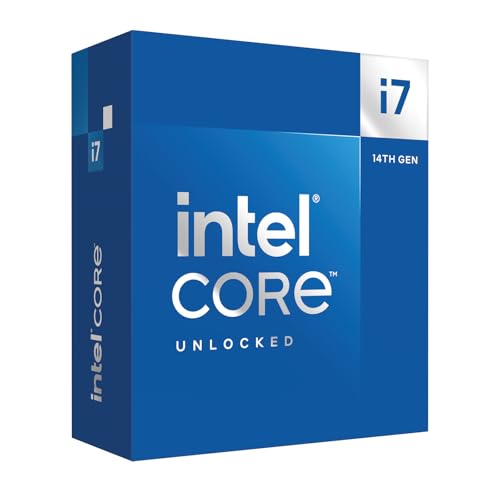
- 20 cores and 28 threads for demanding multitasking
- Up to 5.6 GHz boost speed
- Integrated graphics with DDR4/DDR5 support
Best For: Editors building a flexible, high-capacity desktop
Efficient AM5 Gaming Specialist
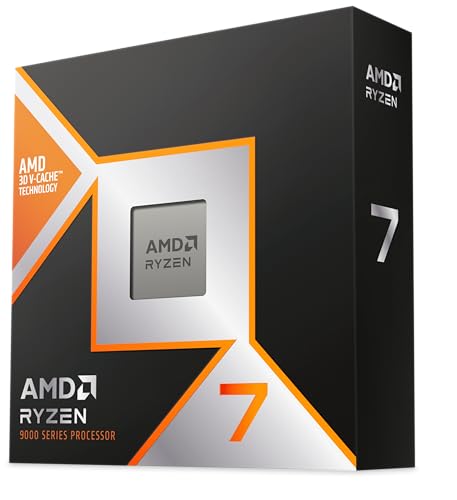
- 8 cores and 16 threads on Zen 5
- 96MB L3 cache with up to 5.2 GHz boost
- AM5-ready design for gaming-focused systems
Best For: Creators who also prioritize high-end gaming
High-Core AM5 Workhorse
- 12 cores and 24 threads for editing workloads
- Up to 5.6 GHz Max Boost
- DDR5-5600 and AM5 platform support
Best For: Modern editing workstations with gaming capability
Top-Tier AMD Power – Ryzen 9 9950X3D
For demanding computer processors for video editing, the AMD Ryzen 9 9950X3D combines 16 cores with Zen 5 architecture, a 4.3 GHz base clock, and boost speeds up to 5.7 GHz. Its 144 MB of installed cache and AM5 socket make it a strong foundation for a high-performance desktop editing system.
Best For: Editors building a powerful AM5 desktop for intensive content creation and multitasking.
Pros:
- 16-core design supports demanding desktop workloads.
- Boost clock reaches up to 5.7 GHz.
- Large 144 MB cache capacity.
- Uses the AMD AM5 socket and Zen 5 architecture.
Cons:
- Its 170W wattage calls for careful cooling and power planning.
- Desktop-only form factor requires a compatible AM5 motherboard and system build.
The Ryzen 9 9950X3D is a compelling choice when rendering and content-creation performance take priority. Confirm AM5 motherboard compatibility and adequate cooling before purchase.
Efficient Hybrid Performance – Intel Core Ultra 9 285K
Intel Core Ultra 9 Processor 285K, 24 cores (8 P-cores + 16 E-cores) up to 5.7 GHz
Check Price On AmazonThe Intel Core Ultra 9 285K is one of the most versatile computer processors for video editing in this lineup, pairing 24 cores and 24 threads with Intel’s Performance Hybrid Architecture. It reaches up to 5.7 GHz, includes integrated Intel Graphics, and supports PCIe 5.0 and 4.0 on compatible Intel 800-series motherboards.
Best For: Creators who want a high-core-count desktop processor with integrated graphics and an efficiency-focused design.
Pros:
- 24-core configuration includes 8 P-cores and 16 E-cores.
- Up to 5.7 GHz unlocked turbo performance.
- Integrated Intel Graphics is included.
- Supports PCIe 5.0, PCIe 4.0, and Intel 800-series chipsets.
Cons:
- No thermal solution is included.
- Requires an LGA 1851 motherboard with an Intel 800-series chipset.
With strong core coverage, integrated graphics, and a 40 MB cache, the Core Ultra 9 285K suits a feature-rich editing workstation. Budget separately for a compatible cooler and motherboard.
Focused AMD Editing Performance – Ryzen 7 9850X3D
The AMD Ryzen 7 9850X3D offers a focused option among computer processors for video editing, with 8 cores, 16 threads, and a 4.7 GHz listed processor speed. It also provides 104 MB of installed cache and fits AMD’s AM5 desktop platform.
Best For: AM5 desktop builders who want a capable 8-core processor for editing and general content creation.
Pros:
- 8 cores and 16 threads support multitasking.
- Includes 104 MB of installed cache.
- Uses the current AMD AM5 socket.
- Lists a 4.7 GHz processor speed.
Cons:
- Its 8-core design offers less parallel capacity than the 24-core and 16-core options here.
- At 140W, it still requires appropriate desktop cooling.
The Ryzen 7 9850X3D is a practical middle-ground choice for editors who want an AM5 system without moving to a higher-core-count processor. Pair it with a compatible motherboard and adequate cooling.
Overclocking-Ready Intel Platform – Intel Core Ultra 7 270K Plus
Intel Core Ultra 7 processor 270K Plus, 24 cores (8 P-cores + 16 E-cores) up to 5.5 GHz
Check Price On AmazonThe Intel Core Ultra 7 270K Plus is a flexible choice among computer processors for video editing, offering 24 cores through 8 P-cores and 16 E-cores. It supports up to 5.5 GHz, DDR5 memory up to 7200 MT/s, and PCIe 5.0 and 4.0 on compatible LGA1851 platforms.
Best For: Power users and creators who want a 24-core Intel desktop processor with unlocked tuning potential.
Pros:
- 24-core hybrid configuration supports demanding workloads.
- Up to 5.5 GHz max turbo frequency.
- Unlocked for tuning with compatible Intel Z-series chipsets.
- Supports high-speed DDR5 memory and PCIe 5.0/4.0.
Cons:
- Its maximum turbo power is listed at 250W, increasing cooling demands.
- Requires an LGA1851 motherboard and Intel 800-series chipset.
The Core Ultra 7 270K Plus fits editors who value high core counts and platform expandability, especially when tuning is part of the build plan. Make sure the system has robust power and thermal handling.
Top Creator Pick – AMD Ryzen 9 9950X
For demanding computer processors for video editing, the AMD Ryzen 9 9950X combines 16 cores and 32 threads with AMD’s Zen 5 architecture. Its high boost speed and DDR5 support make it a strong choice for creator-focused desktop builds, though you’ll need to budget for a separate cooler.
Best For: Video editors and creators building a high-performance AM5 workstation.
Pros:
- 16 cores and 32 threads for heavily threaded workloads
- Up to 5.7 GHz Max Boost and 80 MB of cache
- Supports DDR5-5600 and PCIe 5.0 on select AM5 motherboards
- Unlocked for overclocking
Cons:
- Cooler is not included
- Liquid cooling is recommended
- 170-watt power rating may require robust system cooling
The Ryzen 9 9950X is a compelling premium option when multicore performance is the priority. Its AM5 platform support also gives builders access to current connectivity and memory standards.
Efficient Hybrid Choice – Intel Core Ultra 7 265K
Intel Core Ultra 7 Desktop Processor 265K - 20 cores (8 P-cores + 12 E-cores) up to 5.5 GHz
Check Price On AmazonThe Intel Core Ultra 7 265K is a practical pick among computer processors for video editing if you want a hybrid design that balances performance and efficiency. It provides 20 cores, unlocked operation, and compatibility with Intel 800 series motherboards, but no thermal solution is included.
Best For: Editors who want a modern Intel desktop platform with performance and efficiency-focused cores.
Pros:
- 20 cores using 8 P-cores and 12 E-cores
- Up to 5.5 GHz and unlocked for tuning
- 36 MB cache with PCIe 5.0 and PCIe 4.0 support
- Hybrid architecture distributes workloads across core types
Cons:
- Thermal solution is not included
- Requires an Intel 800 series chipset-based motherboard
- Provides 20 threads, fewer than some similarly positioned processors
This processor suits a new Intel build where workload scheduling and platform features matter. Plan the motherboard and cooling components together because the processor does not include a thermal solution.
Workstation Specialist – AMD Threadripper PRO 5955WX
The AMD Ryzen Threadripper PRO 5955WX targets professional workstation builds rather than typical desktops. For computer processors for video editing, its 16 cores and 32 threads can suit sustained creator workloads, while the sWRX8 socket and 280-watt rating require a compatible workstation platform and serious cooling.
Best For: Professional workstation users who need Threadripper PRO platform support and 32-thread processing.
Pros:
- 16 cores and 32 threads
- Up to 4.5 GHz processor speed
- 64 MB of installed cache
- Designed for the Socket sWRX8 workstation platform
Cons:
- 280-watt power rating demands substantial cooling and power delivery
- Requires an sWRX8 motherboard
- Uses DDR4-3200 rather than newer DDR5 memory
The Threadripper PRO 5955WX makes the most sense when you are assembling a specialized workstation around its sWRX8 platform. It offers strong thread capacity, but its platform and power requirements make it less suitable for a conventional editing PC.
Balanced Multitasking Pick – Intel Core i7-14700K
For shoppers comparing computer processors for video editing, the Intel Core i7-14700K offers a strong mix of core count, high clock speed, and platform flexibility. Its 20 cores and 28 threads are well suited to demanding multitasking, while integrated graphics can simplify a build that does not require a separate graphics card immediately.
Best For: Video editors who want high multithreaded capacity, integrated graphics, and DDR4 or DDR5 compatibility.
Pros:
- 20 cores and 28 threads support demanding multitasking and editing workloads.
- Up to 5.6 GHz with Turbo Boost Max Technology 3.0.
- Integrated Intel UHD Graphics 770 is included.
- Supports DDR4 and DDR5 platforms and Intel 600- or 700-series chipsets.
Cons:
- Compatibility with some Intel 600-series motherboards may require a BIOS update.
- The listed 125-watt rating calls for appropriate cooling and power planning.
Choose this processor when you want a versatile editing foundation with substantial parallel processing capacity and the option to reuse either DDR4 or DDR5 memory, depending on the motherboard.
Efficient AM5 Gaming Specialist – AMD Ryzen 7 9800X3D
Among computer processors for video editing, the AMD Ryzen 7 9800X3D is primarily positioned as a gaming processor, but its Zen 5 architecture, 8 cores, and 16 threads can also support capable desktop editing setups. Its large 96MB L3 cache and AM5 compatibility make it an option for buyers who also prioritize gaming performance.
Best For: Gaming-focused creators who want an AM5 processor with strong efficiency and substantial cache.
Pros:
- Built on AMD Zen 5 technology with 8 cores and 16 threads.
- 96MB L3 cache and boost speeds up to 5.2 GHz.
- Designed for drop-in use with Socket AM5 infrastructure.
- Offers improved thermal performance compared with the previous generation, according to the supplied notes.
Cons:
- Only 8 cores and 16 threads, giving it less listed parallel capacity than the other processors here.
- Cooler is not included.
- Its primary positioning is gaming rather than video editing.
This is a sensible choice for a hybrid gaming-and-creation system, but editors whose priority is sustained multithreaded work may prefer a processor with more cores.
High-Core AM5 Workhorse – AMD Ryzen 9 9900X
The AMD Ryzen 9 9900X stands out among computer processors for video editing with 12 cores and 24 threads, giving it more listed processing capacity than the Ryzen 7 option in this roundup. Its Zen 5 architecture, 5.6 GHz max boost, and DDR5-5600 support make it a strong fit for a modern editing workstation that also handles gaming.
Best For: Editors who want a 12-core AM5 platform with high boost speed and DDR5 support.
Pros:
- 12 cores and 24 threads support demanding multitasking.
- Up to 5.6 GHz Max Boost with an unlocked design.
- 76MB total listed cache and DDR5-5600 support.
- Supports the Socket AM5 platform and PCIe 5.0 on select motherboards.
Cons:
- Cooler is not included.
- Requires an AM5 motherboard and DDR5 memory for its listed platform features.
- PCIe 5.0 support depends on the motherboard.
For editing-focused buyers who want a modern, upgradeable AM5 build, the Ryzen 9 9900X offers a compelling balance of core count, boost speed, and platform features without stepping down to an 8-core processor.
How We Picked the Best Computer Processors for Video Editing
We focused on processors that offer a useful combination of multicore performance, strong single-thread responsiveness, modern platform support, and practical upgrade potential. Video editing workloads vary: timeline playback, codec decoding, effects, rendering, and exporting may favor different CPU characteristics.
The list includes current AMD and Intel desktop options alongside the Threadripper PRO 5955WX for workstation buyers. Core and thread counts, boost clocks, integrated graphics, socket compatibility, memory support, and cooling requirements were considered alongside the needs of 4K and more demanding production workflows.
Quick Comparison
| Best For | What to Prioritize | Recommended Type |
|---|---|---|
| Professional 4K editing | High multicore throughput and fast export performance | Ryzen 9, Core Ultra 9, or comparable high-end CPU |
| Heavy effects and multitasking | Many cores, strong sustained cooling, and ample RAM | High-core-count desktop or workstation processor |
| Gaming and editing | Responsive single-thread performance plus capable graphics support | X3D gaming processor or unlocked Intel Core model |
| Value-conscious creators | Balanced performance and a reasonable platform cost | Ryzen 9 9900X or Core Ultra 7-class processor |
Key Buying Factors for Computer Processors for Video Editing
Core Count and Sustained Performance
More cores can reduce export and rendering times, particularly when software can use parallel processing. However, sustained performance depends on power limits, cooling, and the application itself—not just the specification sheet.
Clock Speed and Timeline Responsiveness
High boost clocks help with interactive editing, interface responsiveness, and workloads that rely on fewer threads. A well-balanced CPU is usually preferable to choosing maximum core count alone.
Hardware Encoding and Integrated Graphics
Check whether your editing software benefits from integrated media engines or hardware-accelerated encoding. These features can improve playback and export performance for supported codecs, while a discrete GPU remains important for many effects and color workflows.
Cooling, Power, and Platform Compatibility
Confirm the motherboard socket, BIOS support, memory type, cooler compatibility, and power supply requirements before buying. High-performance unlocked processors may need a substantial air cooler or liquid cooler to maintain speed during long renders.
Memory and Storage
Pair the processor with enough RAM for project complexity—32GB is a practical starting point for many 4K systems, while larger projects may benefit from 64GB or more. Fast SSD storage also helps with media caches, source files, and project loading.
Who Should Buy Which Computer Processors for Video Editing?
Choose a high-end Ryzen 9 or Core Ultra 9 if you regularly edit 4K footage, export large projects, run effects-heavy timelines, or multitask across creative applications. Choose a Ryzen 9 9900X or Core Ultra 7 for a strong balance of editing speed, gaming, and overall system cost. Choose an X3D model if gaming is equally important and you want excellent game performance alongside capable editing. Choose the Threadripper PRO 5955WX when workstation expandability, extensive PCIe connectivity, and sustained professional workloads matter more than a mainstream consumer platform. Finally, verify software support and your complete system budget before deciding; the fastest CPU will not compensate for insufficient cooling, memory, storage, or GPU acceleration.