Wi-Fi is convenient, but a wired connection can deliver more consistent speed, lower latency, and fewer interruptions. The best Ethernet adapters make it easy to add reliable networking to laptops, tablets, game consoles, and other devices without built-in Ethernet ports.
This roundup compares 10 USB, USB-C, hub-style, and 2.5Gbps options so you can match the adapter to your ports, network speed, operating system, and available desk space.
Best 10 Ethernet Adapters Picks for 2026
Best USB-C Pick
Anker USB-C to Ethernet Adapter
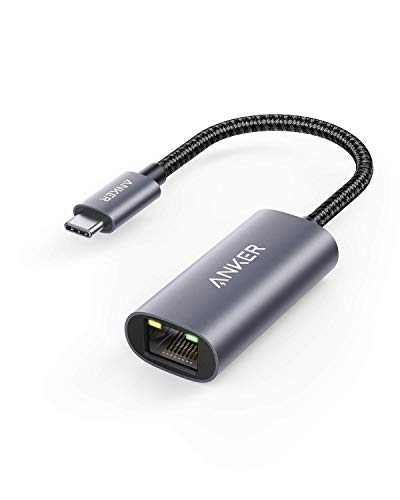
- Up to 1 Gbps wired speeds
- Lightweight aluminum design
- 18-month warranty included
Best For: Portable USB-C connectivity
Best Broad Compatibility
UGREEN USB-C Gigabit Ethernet Adapter

- Up to 1000 Mbps throughput
- Works with USB-C and Thunderbolt devices
- Compact aluminum construction
Best For: Flexible USB-C device support
Best USB-A/C Flexibility
BENFEI USB 3.0 to Ethernet Adapter

- Supports USB-A and USB-C
- Gigabit speeds up to 1000 Mbps
- 18-month warranty and status LEDs
Best For: Mixed USB-A and USB-C setups
Best for Nintendo Switch
TP-Link UE306 USB Ethernet Adapter

- Supports Nintendo Switch
- Gigabit USB 3.0 networking
- Foldable portable design
Best For: Switch gaming and USB-A devices
Best Everyday Pick
Amazon Basics Gigabit Ethernet Adapter
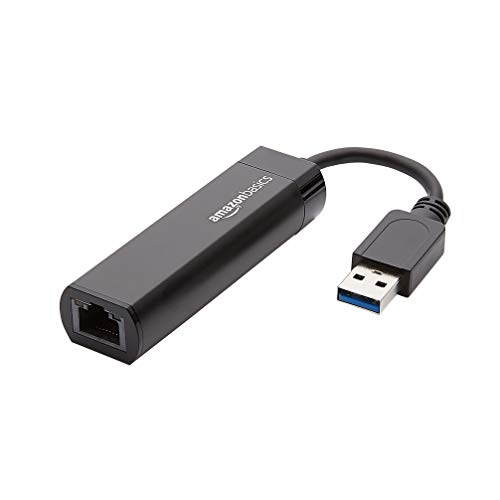
- Up to 1000Mbps Gigabit Ethernet
- Supports Windows, macOS, ChromeOS, and Linux
- Includes Wake-on-LAN and Energy Efficient Ethernet
Best For: Simple wired networking for compatible computers and laptops
Best 2.5Gbps Upgrade
UGREEN 2.5Gb USB Ethernet Adapter

- Adds wired networking at up to 2.5Gbps
- Aluminum housing with reinforced ports
- Designed for compatible laptops and desktops
Best For: Upgrading a compatible device to a 2.5Gbps network
Best Ethernet Hub
ABLEWE 3-Port USB Gigabit Adapter
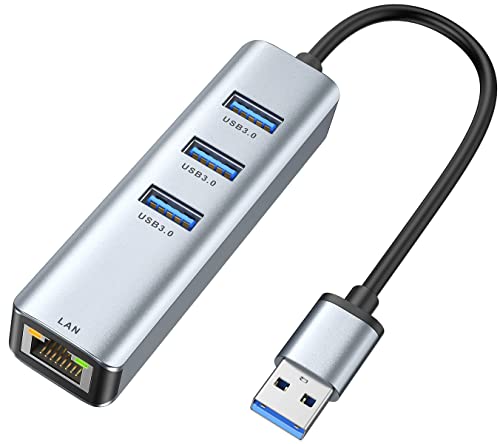
- Adds Gigabit Ethernet and three USB 3.0 ports
- Supports simultaneous hub-port operation
- Compact aluminum design with a 24-month warranty
Best For: Laptops needing wired networking and extra USB connectivity
Best Plug-and-Play Pick
uni USB 3.0 Gigabit Ethernet Adapter
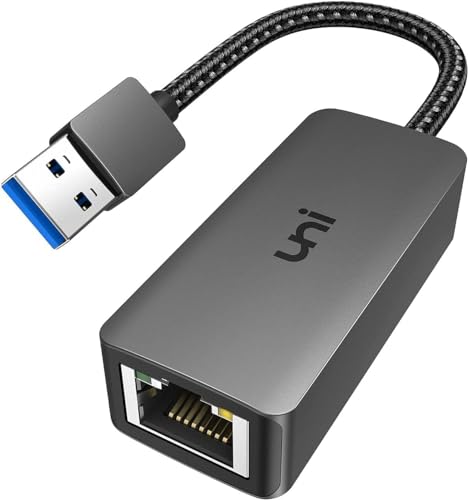
- USB 3.0 supports up to 1000 Mbps
- Braided cable and aluminum housing
- Works with major desktop operating systems
Best For: Simple wired networking for USB-A laptops and desktops
Best Compact Hub Value
ALL-LUCKY USB A/C Ethernet Adapter Hub

- Adds three USB 3.0 ports
- Includes USB-A and USB-C connectivity
- Gigabit Ethernet in a portable hub
Best For: Portable networking and USB expansion
Best Full-Featured USB-C Hub
UGREEN Revodok 6-in-1 Ethernet Hub

- Gigabit Ethernet and 4K HDMI
- Three USB-A 3.0 ports
- Up to 85W USB-C pass-through charging
Best For: USB-C workstations needing networking and expansion
Best USB-C Pick – Anker USB-C to Ethernet Adapter
If you need a compact ethernet adapter for a USB-C device, the Anker PowerExpand provides a straightforward wired connection at speeds up to 1 Gbps. Its aluminum housing and braided-nylon cable also make it a polished travel companion.
Best For: USB-C laptops, tablets, and other compatible devices where portability and a stable gigabit connection matter.
Pros:
- Supports wired speeds up to 1 Gbps.
- Lightweight design weighs about as much as a AA battery.
- Aluminum exterior and braided-nylon cable offer a premium feel.
- Includes an 18-month warranty and customer service.
Cons:
- Provides one RJ45 port and requires a USB-C connection.
- No external power plug is included.
This is a good fit for anyone who wants a simple, attractive USB-C ethernet adapter without extra ports or a bulky setup. Confirm that your device has a compatible USB-C port before buying.
Best Broad Compatibility – UGREEN USB-C Gigabit Ethernet Adapter
The UGREEN USB-C to Ethernet Adapter adds a gigabit RJ45 port to compatible laptops, tablets, smartphones, and gaming devices. It offers plug-and-play setup on several current operating systems, plus a durable aluminum case for portable use.
Best For: Users who need a versatile USB-C ethernet adapter for work, streaming, gaming, or travel.
Pros:
- Supports speeds up to 1000 Mbps and is backward compatible with 100/10 Mbps networks.
- Driver-free operation is supported on Windows 11/10/8.1/8, macOS, Chrome OS, and Android.
- Compatible with many USB-C and Thunderbolt 3/4 devices, including Nintendo Switch and Steam Deck.
- Aluminum housing, reinforced cable tail, and wear-resistant port improve durability.
Cons:
- Drivers are required for Windows XP/7/Vista and Linux.
- It has one network port and does not function as a multiport hub.
UGREEN’s adapter stands out when compatibility is the priority. Its broad device support and compact construction make it a flexible choice, but check your operating system requirements if you use an older Windows version or Linux.
Best USB-A/C Flexibility – BENFEI USB 3.0 to Ethernet Adapter
For shoppers comparing ethernet adapters across older and newer computers, the BENFEI model supports both USB-A and USB-C connections. It delivers gigabit networking, LED status indicators, and broad operating-system compatibility without requiring external power.
Best For: Households or workspaces with a mix of USB-A and USB-C computers that need reliable wired networking.
Pros:
- Supports 10/100/1000 Mbps Ethernet performance.
- USB-A/C compatibility adds flexibility across devices.
- Supports features including Wake-on-LAN, full- and half-duplex Ethernet, and Auto-MDIX.
- Includes link and activity LEDs, USB power, and an 18-month warranty.
Cons:
- It is not compatible with Nintendo Switch.
- Reaching 1 Gbps requires CAT6 or better Ethernet cabling.
- Windows RT is not supported.
The BENFEI is the most adaptable choice here for mixed-port setups, particularly when you want one adapter to serve USB-A and USB-C systems. Its extensive compatibility comes with a few important exclusions, so verify your device and cable before ordering.
Best for Nintendo Switch – TP-Link UE306 USB Ethernet Adapter
The TP-Link UE306 is a practical ethernet adapter for adding gigabit wired networking to USB-A devices, with specific support for Nintendo Switch. Its foldable connector and compact body make it convenient for travel, gaming, and quick wired setups.
Best For: Nintendo Switch players and USB-A laptop or tablet users who want a stable wired connection without external power.
Pros:
- Supports 10/100/1000 Mbps wired connections.
- Works with Nintendo Switch and supports plug-and-play use on supported Windows and Linux systems.
- Powered through USB 3.0 with no external power required.
- Foldable, lightweight design measures 2.8 by 1 by 0.6 inches.
Cons:
- Uses a USB-A connection rather than USB-C.
- macOS compatibility is listed in the product highlight but not detailed in the supplied operating-system specifications.
Choose the UE306 if Nintendo Switch compatibility is central to your purchase or if your device has a USB-A port. It combines gigabit performance with a travel-friendly design, though USB-C-only devices will need an additional adapter.
Best Everyday Pick – Amazon Basics Gigabit Ethernet Adapter
For straightforward wired networking, this Amazon Basics adapter connects a USB 3.0 computer or laptop to a router, modem, or network switch. It supports 10/100/1000Mbps Gigabit Ethernet and works with Windows, macOS, ChromeOS, and Linux systems listed in the product details.
Best For: Users who want a simple USB-to-Gigabit Ethernet connection for a compatible computer or laptop.
Pros:
- Supports up to 1000Mbps Gigabit Ethernet.
- Includes Wake-on-LAN and Energy Efficient Ethernet features.
- Supports IPv4/IPv6 checksum offload to help reduce CPU loading.
- Compact, lightweight 33-gram design.
Cons:
- Not compatible with Smart TVs or gaming consoles such as Nintendo Switch.
- Requires a USB 3.0 port for its intended connection.
This is a sensible choice among ethernet adapters when you need dependable Gigabit connectivity without extra hub functions or 2.5Gbps hardware.
Best 2.5Gbps Upgrade – UGREEN 2.5Gb USB Ethernet Adapter
The UGREEN adapter is designed for newer high-speed networks, adding a 2.5Gbps Ethernet connection to compatible USB-equipped laptops and desktops. Pair it with a 2.5Gbps router or switch to move beyond standard Gigabit networking.
Best For: Users upgrading a compatible computer to faster wired networking for NAS transfers, streaming, gaming, or other bandwidth-heavy tasks.
Pros:
- Supports network speeds up to 2.5Gbps.
- Uses a Realtek RTL8156BG chip designed for lower power consumption and heat.
- Aluminum construction includes reinforced ports and activity indicator lights.
- Compatible with Windows, macOS, ChromeOS, and Linux systems listed in the details.
Cons:
- Requires compatible 2.5Gbps networking equipment to realize its top speed.
- Not compatible with all Nintendo Switch, TV, Synology NAS, or Wii devices.
- Its USB 3.0 Type-A interface may require an adapter for systems without that port.
Among these ethernet adapters, the UGREEN model is the strongest fit for a modern 2.5Gbps setup, provided your network equipment and device ports can support the upgrade.
Best Ethernet Hub – ABLEWE 3-Port USB Gigabit Adapter
This ABLEWE adapter combines a Gigabit Ethernet port with three USB 3.0 ports, making it useful when a laptop has limited connectivity. The hub ports can operate simultaneously, allowing you to connect peripherals while using a wired network.
Best For: Laptop users who need both Gigabit Ethernet and additional USB ports for accessories such as storage drives, keyboards, mice, or printers.
Pros:
- Combines 10/100/1000Mbps Ethernet with three USB 3.0 ports.
- USB ports support simultaneous use and data transfer speeds up to 5Gbps.
- Plug-and-play design for the supported systems listed by the manufacturer.
- Compact aluminum housing and a 24-month warranty.
Cons:
- Bulkier than a dedicated Ethernet-only adapter.
- USB and Ethernet performance share the computer’s single USB connection.
- Compatibility details vary by operating system and device, so check your setup before buying.
If you need more than wired internet, this is one of the more versatile ethernet adapters in the group. Its built-in USB hub can reduce the need for a separate accessory, especially on port-limited laptops.
Best Plug-and-Play Pick – uni USB 3.0 Gigabit Ethernet Adapter
If you need a straightforward connection, this uni adapter is one of the most practical ethernet adapters for laptops and desktops with a USB-A port. It supports Gigabit Ethernet through USB 3.0 and is backward compatible with USB 2.0 and USB 1.1, although USB 2.0 limits speeds to 10/100 Mbps.
Best For: Users who want a compact, single-purpose wired network adapter for online classes, video calls, streaming, downloads, or gaming.
Pros:
- Supports 10/100/1000 Mbps networking over USB 3.0.
- Plug-and-play operation on supported Windows, macOS, ChromeOS, and Linux systems.
- Braided cable, aluminum housing, LED indicator, and an 18-month warranty add practical durability and support.
Cons:
- Windows 11 requires a driver.
- Not compatible with Nintendo Switch and not recommended for TVs.
- A CAT6-or-better cable is needed to reach 1Gbps.
This is a focused ethernet adapter rather than a multifunction hub, making it a good choice when reliable wired networking is the main goal and your device has a USB-A port.
Best Compact Hub Value – ALL-LUCKY USB A/C Ethernet Adapter Hub
This ALL-LUCKY model combines ethernet adapters and USB expansion in one portable unit. It adds three USB 3.0 ports alongside a Gigabit RJ45 port, and its convertible USB-A/USB-C connector helps it work with a wider range of laptops, tablets, and compatible devices.
Best For: Travelers, students, and office users who need wired networking plus extra USB-A ports from a compact adapter.
Pros:
- Combines a 1000Mbps Ethernet port with three USB 3.0 ports.
- Convertible USB-A and USB-C connector improves device compatibility.
- Supports up to 5Gbps USB 3.0 data transfer and plug-and-play use on listed systems.
Cons:
- It does not support charging connected devices, with a maximum output current of 900mA.
- Windows 7 requires a driver.
- A CAT6-or-better cable is needed for 1Gbps Ethernet.
Choose this hub when a single ethernet connection is not enough. Its added USB ports make it more versatile than a basic adapter, while the compact design suits mobile setups.
Best Full-Featured USB-C Hub – UGREEN Revodok 6-in-1 Ethernet Hub
For USB-C laptops and tablets, the UGREEN Revodok is among the most versatile ethernet adapters in this roundup. It combines Gigabit Ethernet with 4K HDMI, three USB-A 3.0 ports, and USB-C pass-through charging, turning one USB-C connection into a broader desktop or travel setup.
Best For: USB-C laptop users who need wired networking, external display support, peripherals, and pass-through charging in one hub.
Pros:
- Provides Gigabit Ethernet, 4K@30Hz HDMI, three USB-A 3.0 ports, and USB-C charging.
- Supports up to 85W pass-through charging from its 100W PD input.
- USB 3.0 ports support data transfers up to 5Gbps.
Cons:
- The HDMI output is limited to 4K at 30Hz and does not support HDR or 3D.
- The USB-C port is for charging only, not data or video output.
- It is designed for USB-C devices rather than USB-A-only computers.
This is the strongest choice when ethernet is only one part of your connectivity needs. Its added display, peripheral, and charging features justify choosing a hub over a standalone adapter.
How We Picked the Best Ethernet Adapters
We focused on practical features that affect everyday use: Ethernet speed, connector type, compatibility, portability, build quality, and extra ports. The selection includes compact USB and USB-C adapters, models designed for gaming devices, multiport hubs, and a faster 2.5Gbps option for compatible networks.
Plug-and-play support was also important because most buyers want to connect an adapter and get online without hunting for drivers. However, compatibility can vary by operating system, device, and USB port, so check the manufacturer’s specifications before buying.
Quick Comparison
| Type | Best For | Typical Advantage |
|---|---|---|
| USB 3.0 to Gigabit Ethernet | Older laptops and desktops | Broad compatibility and dependable speed |
| USB-C to Gigabit Ethernet | Modern laptops and tablets | Simple connection through USB-C |
| USB-C hub with Ethernet | Devices with limited ports | Networking plus USB or HDMI expansion |
| 2.5Gbps Ethernet | Fast wired networks and NAS users | Higher throughput than standard Gigabit |
Key Buying Factors for Ethernet Adapters
Connector and Port Compatibility
Start by checking whether your device has USB-A, USB-C, or both. A USB-C adapter may not work through every hub or dock, while a USB-A model may require an adapter on newer laptops. Confirm that the port supports USB 3.0 or faster if you want to approach Gigabit speeds.
Network Speed
Most options here support Gigabit Ethernet, which is suitable for common broadband plans, streaming, downloads, and gaming. A 2.5Gbps adapter is worthwhile only when your computer, router or switch, cabling, and internet or local network can support speeds above 1Gbps.
Drivers and Operating Systems
Driver-free or plug-and-play models are convenient, but support is not identical across Windows, macOS, ChromeOS, Linux, Nintendo Switch, and tablets. Verify compatibility for your exact device, especially after major operating-system updates.
Size and Extra Ports
A compact adapter is ideal for travel. Choose a hub-style model when you need additional USB ports or HDMI, but remember that several connected devices share the hub’s available bandwidth and add bulk to your setup.
Who Should Buy Which Ethernet Adapters?
- For everyday laptop use: Choose a compact USB-C or USB-A Gigabit adapter that matches your computer’s available port.
- For travel: Look for a small aluminum adapter with plug-and-play operation and a short, neatly integrated cable.
- For gaming: Prioritize stable Gigabit networking and confirmed console compatibility, particularly for Nintendo Switch use.
- For limited-port laptops: Select a USB-C hub with Ethernet if you also need USB expansion or an HDMI connection.
- For high-speed home networks: Consider a 2.5Gbps model, but only if the rest of your network supports the faster standard.