Upgrading your headset with a vr facial interface leather cushion can make a bigger difference than most accessories. The right replacement improves comfort, helps with sweat, and can reduce pressure during long sessions.
Below, we focus on options that balance fit, padding, breathability, and easy cleaning across popular headsets like Quest 2, Quest 3S, Quest 3, and Rift CV1.
Best 10 Vr Facial Interface Leather Cushion Picks for 2026
Upgraded Quest 2 Comfort Pick
Breathable Leather Face Cushion
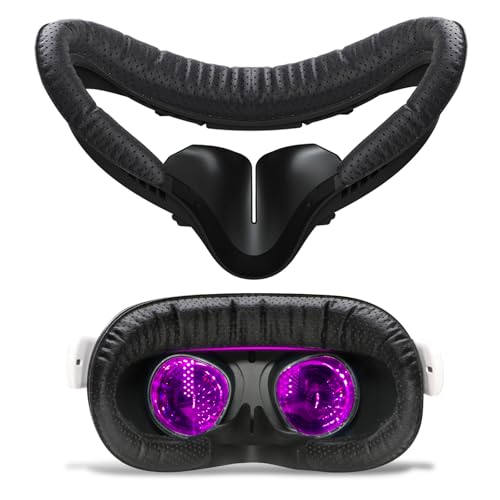
- Vent design aims to reduce fogging
- PU leather surface wipes clean easily
- Nose pads help cut light leakage
Best For: Quest 2 owners wanting a cooler, easier-to-clean face cushion
Classic CV1 Replacement

- Made for Oculus Rift CV1
- Faux leather aims for basic comfort
- Light 23 g removable face pad
Best For: Rift CV1 owners needing a simple replacement cushion
Dual-Pad Quest 2 Kit
Leather and Mesh Face Cover Set

- Two detachable pads included
- Vented design helps fight fogging
- PU surface is waterproof and wipeable
Best For: Quest 2 owners who want a swap-in pad for comfort or workouts
Quest 3S Ventilated Upgrade

- V-shaped vents help reduce fogging
- Soft PU leather with foam padding
- Quick to detach and wipe clean
Best For: Quest 3S users wanting a cooler, glasses-friendly face cover
Comfort-Focused Upgrade
AMVR Quest 2 PU Leather Face Pad Set

- PU leather and sponge foam feel soft and sweat-proof
- Ventilation design helps airflow and lens fogging
- Includes multiple thickness pads and extra accessories
Best For: Quest 2 players wanting a customizable, breathable face pad
Simple Hygienic Swap
VZNEK Quest 2 PU Leather Face Cover

- PU leather and breathable foam resist sweat
- Ergonomic shape reduces face pressure
- Velcro attachment makes cleaning and swapping easy
Best For: Quest 2 users who want a simple, easy-clean face cover
Glasses-Friendly Comfort
AMVR Quest 3S Dual-Material Face Pad

- PU leather and ice silk cotton give you two comfort options
- Height adjustment adds space for glasses
- Ventilated bracket helps reduce lens fogging
Best For: Quest 3S users needing glasses clearance and breathable comfort
Quest 3 Hygiene Pick
Meta Quest 3 PU Leather Facial Interface

- Soft PU leather and foam reduce facial pressure
- Vented design helps airflow and less fogging
- Detachable nose pad helps block stray light
Best For: Quest 3 users who want comfort, easy cleaning, and light-blocking
Quest 3S Breathability Pick
Meta Quest 3S PU Leather Face Pad
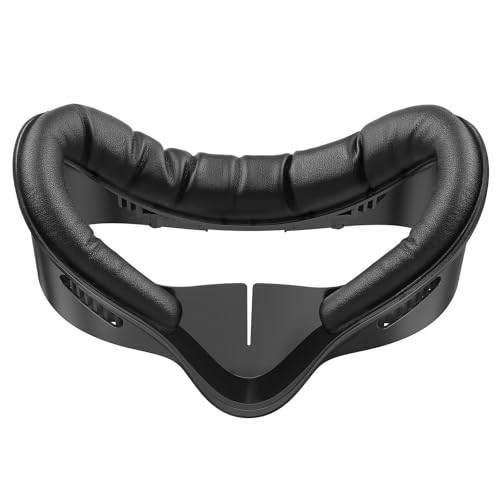
- V-shaped ventilation helps keep sessions cooler
- PU leather and foam add comfort for longer play
- Velcro swap design makes cleaning fast and simple
Best For: Quest 3S users who want a cooler, easy-to-clean replacement pad
Upgraded Quest 2 Comfort Pick – Breathable Leather Face Cushion
If you’re shopping for a vr facial interface leather cushion for the Meta Quest 2, this replacement focuses on comfort, airflow, and a tighter fit. The ventilated frame is designed to reduce fogging and pressure while the PU leather surface makes cleanup simple after long sessions.
Best For: Quest 2 users who want a cleaner-feeling replacement with vents, nose padding, and easy wipe-down maintenance.
Pros:
- Air vents are designed to improve circulation and reduce fogging.
- Added nose pads help block light leaks and steam rising into view.
- Soft PU leather cushion is easy to clean with a wet cloth or water.
- 3D-shaped frame is made for a secure, low-pressure fit.
Cons:
- Made specifically for Oculus Quest 2, so it is not a universal fit.
- It is a replacement interface, not a full headset upgrade.
This is a practical choice if your main goal is better comfort and fewer fogging issues during longer Quest 2 sessions. It leans more toward everyday usability than premium extras, which may suit most players well.
Classic CV1 Replacement – Synthetic Leather Foam Pad
For Oculus Rift CV1 owners looking for a simple vr facial interface leather cushion, this kwmobile pad keeps the focus on comfort and a classic synthetic leather finish. It is a straightforward replacement face cushion meant to refresh the feel of the headset without adding extra complexity.
Best For: Rift CV1 users who want a basic faux-leather replacement pad with a clean look.
Pros:
- Compatible with Oculus Rift CV1 VR Gaming.
- Faux leather face pad is designed for comfortable wear.
- Synthetic leather build provides a classic black look.
- Lightweight removable liner weighs just 23 g.
Cons:
- Installation can vary by device, so setup may take some checking.
- It only replaces the face pad and does not include the headset.
This is the most minimal option in the group, which makes sense if you only need a replacement cushion for a Rift CV1. It is best viewed as a no-frills comfort refresh rather than a feature-heavy upgrade.
Dual-Pad Quest 2 Kit – Leather and Mesh Face Cover Set
This vr facial interface leather cushion kit is built for Quest 2 users who want more than one wearing option. It includes both a sweat-proof leather face pad and a breathable cotton mesh pad, plus a vented interface intended to reduce fogging and pressure during active play.
Best For: Quest 2 users who want interchangeable pads for workouts, longer sessions, and easier cleaning.
Pros:
- Includes two detachable face pads: sweat-proof leather and breathable cotton mesh.
- Airflow design and vents are meant to help prevent fogging.
- PU surface is waterproof and easy to wipe clean.
- Soft foam pad aims to reduce head pressure and light seepage.
Cons:
- Designed for Oculus Quest 2, so compatibility is limited to that platform.
- Extra detachable parts may be more than some buyers need.
The big advantage here is flexibility: you get a leather option for easy cleanup and a mesh option for a more breathable feel. If you switch between workouts and casual play, this kit offers a practical setup.
Quest 3S Ventilated Upgrade – Sweat-Proof PU Foam Cushion
If you need a vr facial interface leather cushion for the Meta Quest 3S, this VZNEK pad is aimed at comfort, ventilation, and easy maintenance. The PU leather surface and thick foam are designed to feel soft on the face, while the V-shaped vents work to improve airflow and reduce lens fogging.
Best For: Quest 3S owners who want a sweat-proof, glasses-friendly replacement with better airflow.
Pros:
- V-shaped vents are designed to improve air circulation and reduce fogging.
- Skin-friendly PU leather with soft foam helps reduce face pressure.
- Compatible with the original spacer and sized to fit glasses wearers.
- Easy to detach, wipe clean, and reinstall with magic velcro straps.
Cons:
- Built for Quest 3S, so it is not meant for other headsets.
- Single-pad design may not offer the material options some shoppers want.
As a Quest 3S replacement, this option balances comfort with practical details like ventilation and quick cleaning. It is a sensible pick if you want a softer face interface that still keeps the headset feeling cool and manageable.
Comfort-Focused Upgrade – AMVR Quest 2 PU Leather Face Pad Set
If you want a vr facial interface leather cushion that aims to improve comfort, airflow, and field of view on Quest 2, this AMVR set is built around those basics. It uses PU leather and sponge foam, adds a ventilation-structured bracket, and includes multiple thickness options so you can balance pressure relief with how close you sit to the lenses.
Best For: Quest 2 users who want a sweat-resistant, more breathable face pad with multiple fit options.
Pros:
- Skin-friendly PU leather and premium sponge foam for a softer, sweat-proof feel
- Vent holes and airflow-focused bracket help with breathability and lens fogging
- Includes 12mm, 8mm, and 4mm side wedges for comfort and FOV tuning
- Light-blocking nose pad and lens protector add practical extras
Cons:
- Only compatible with Meta/Oculus Quest 2, not Quest 3
- Multiple parts may take a little time to dial in
This is a solid pick if you want a more customizable replacement face interface rather than a basic foam swap. The extra pads and airflow design make it easier to tune comfort for longer sessions.
Simple Hygienic Swap – VZNEK Quest 2 PU Leather Face Cover
This vr facial interface leather cushion is aimed at Quest 2 owners who want a cleaner, more comfortable replacement without adding extra complexity. The VZNEK pad uses PU leather and breathable sponge foam, with an ergonomical shape designed to reduce face pressure and improve the viewing experience.
Best For: Quest 2 users who want an easy-to-clean, sweat-resistant replacement face pad.
Pros:
- Premium PU leather and sponge foam help keep the headset clean and sweat-resistant
- Ergonomical design is made to reduce pressure and improve comfort
- Closer fit aims to widen the field of view and limit light leakage
- Magic velcro strap makes removal and installation straightforward
Cons:
- Made specifically for Oculus Quest 2
- More of a practical replacement than a feature-heavy accessory bundle
If you mainly care about hygiene, comfort, and quick upkeep, this is a straightforward option. It keeps the feature set focused on the basics that matter most for regular VR use.
Glasses-Friendly Comfort – AMVR Quest 3S Dual-Material Face Pad
For Quest 3S owners looking for a vr facial interface leather cushion with more comfort and better fit flexibility, this AMVR pad is built around soft materials and adjustable spacing. It combines PU leather foam with an ice silk cotton pad, adds a height-increasing bracket, and includes a ventilated interface design to help keep sessions comfortable.
Best For: Quest 3S users who wear glasses or want a softer, more breathable interface option.
Pros:
- Two cushion materials: PU leather for sweat resistance and ice silk cotton for breathability
- Memory foam construction is designed to feel soft and reduce pressure
- Height adjustment helps create more glasses space
- Ventilated bracket aims to reduce lens fogging during active play
Cons:
- Not compatible with Quest 3
- Larger and standard widths mean you need to choose the right strap setup
This is a strong option if comfort and glasses clearance matter more than a bare-bones replacement. The mixed-material design gives you more flexibility depending on whether you prioritize sweat resistance or airflow.
Quest 2 Comfort Upgrade – Meta Quest 2 PU Leather Foam Face Cushion
If you want a more hygienic and comfortable vr facial interface leather cushion for the Meta Quest 2, this replacement pad focuses on the basics that matter: softer contact, easier cleaning, and a more immersive fit. The PU leather surface and foam core are designed to reduce pressure while the passive air vents help improve airflow and cut down on fogging.
Best For: Quest 2 users who want a wipe-clean face pad for longer sessions and shared headsets.
Pros:
- Sweat-proof PU leather and soft sponge foam for easier cleaning and improved comfort
- Passive air vents help boost airflow and reduce lens fogging
- Ergonomic fit draws you closer to the display for a wider field of view
- Simple installation for quick replacement and maintenance
Cons:
- Made specifically for Oculus/Meta Quest 2, so it won’t fit newer headsets
- Designed as a replacement pad, not a full facial interface system
Overall, this is a practical Quest 2 face cushion if your priority is comfort, hygiene, and a cleaner surface you can wipe down fast after gaming. The ventilation and snug fit make it a sensible upgrade for longer play sessions.
Quest 3 Hygiene Pick – Meta Quest 3 PU Leather Facial Interface
This vr facial interface leather cushion for Meta/Oculus Quest 3 is built for users who want a softer feel, easier cleaning, and better airflow during play. The PU leather and sponge foam construction aims to reduce facial pressure, while the vented design and detachable nose pad help support clearer, less distracting sessions.
Best For: Quest 3 users who want a wipeable, comfort-focused replacement with light-leak protection.
Pros:
- Soft PU leather and sponge foam help reduce facial pressure
- Anti-sweat surface is easier to clean than original foam
- Ventilation design helps improve airflow and reduce lens fogging
- Detachable nose pad helps block light leakage
Cons:
- Not compatible with Quest 3S
- Thicker design may change the fit compared with the stock interface
For Quest 3 owners, this is a straightforward comfort-and-hygiene upgrade that also adds practical light-blocking and airflow features. It makes the most sense if you play often, share the headset, or simply want an easier-to-clean face interface.
Quest 3S Breathability Pick – Meta Quest 3S PU Leather Face Pad
If you need a vr facial interface leather cushion for the Meta Quest 3S, this replacement pad is built around cooler, cleaner play. The V-shaped ventilation structure is meant to reduce heat buildup and lens fogging, while the PU leather and foam cushioning aim to keep long sessions more comfortable.
Best For: Quest 3S owners who want a sweat-proof, quick-swap face pad with better airflow.
Pros:
- V-shaped airflow structure helps reduce heat buildup and fogging
- Soft PU leather and plush foam support longer sessions
- Velcro installation makes swaps and cleaning quick and easy
- Includes a silicone nose guard to help block light
Cons:
- Only designed for Meta/Oculus Quest 3S
- Focuses on comfort and airflow rather than adding advanced features
This is a sensible Quest 3S face cushion if you want a practical upgrade that prioritizes breathability and convenience. Its fast-install design and light-blocking nose guard make it especially useful for regular players and shared headsets.
How We Picked the Best Vr Facial Interface Leather Cushion
We looked for cushions and facial interfaces that offer a practical mix of comfort, durable materials, headset compatibility, and user-friendly features like sweat resistance and easy wipe-down cleanup. Since a Vr Facial Interface Leather Cushion is meant to improve daily use, we favored products that make sense for both gaming and fitness sessions.
Quick Comparison
In general, the best choice depends on your headset model and how you use it. PU leather-style cushions are typically easier to clean, while softer hybrid materials may feel better on the face. If you play active games, prioritize sweat management and a secure fit; if you use VR for longer seated sessions, focus more on pressure relief and comfort around the cheeks and forehead.
Key Buying Factors for Vr Facial Interface Leather Cushion
Compatibility
Always confirm your exact headset model before buying. Quest 2, Quest 3S, Quest 3, and older Rift models often use different frame shapes, spacers, and foam thicknesses. A mismatch can affect field of view, comfort, and lens distance.
Material and Feel
PU leather is popular because it wipes clean easily and handles sweat well. If your skin is sensitive, look for softer foam, breathable holes, or hybrid surfaces that reduce heat buildup. The best Vr Facial Interface Leather Cushion for you depends on whether you want maximum hygiene, maximum softness, or a balance of both.
Thickness and Face Fit
Thicker cushions can improve comfort and help block light, but they may slightly change your eye relief and fit. Thinner designs can improve field of view, though they may feel firmer on the face. Match the cushion depth to your preferred play style.
Ventilation and Sweat Control
If you use VR for fitness, boxing, or rhythm games, ventilation matters. Breathable holes, sweatproof coatings, and washable surfaces can make a noticeable difference over time.
Who Should Buy Which Vr Facial Interface Leather Cushion?
Choose a sweat-resistant PU leather option if you want the easiest maintenance and a cleaner feel for shared or frequent use. Pick a softer hybrid pad if comfort is your top priority for long sessions. If you mainly want a replacement for an aging stock interface, focus on exact fit and headset-specific compatibility first. For active players, the best Vr Facial Interface Leather Cushion is usually the one that balances sweat control, secure placement, and minimal pressure points.