If you wear glasses in VR, the right facial interface can make the difference between a frustrating session and a comfortable one. A good vr facial interface with glasses spacer adds room, improves fit, and helps protect your lenses from accidental contact.
Below, we’ve narrowed down 10 options that focus on comfort, compatibility, and practical day-to-day use for Quest owners.
Best 10 Vr Facial Interface with Glasses Spacer Picks for 2026
Quest 2 Comfort Pick
SUPERUS Face Cover Pad & Glasses Spacer
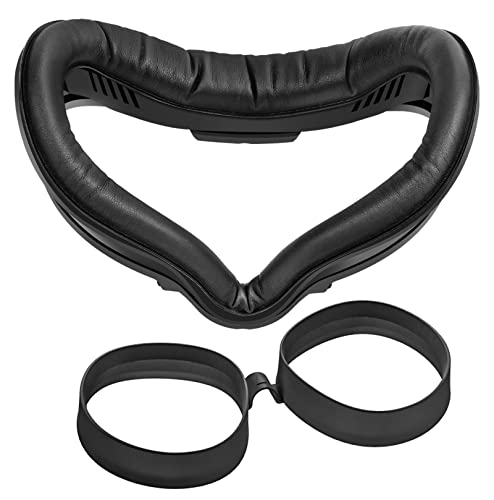
- Compatible with Quest 2 original spacer
- Passive vents help reduce fogging
- Integrated glasses spacer protects lenses
Best For: Quest 2 players who wear glasses and want basic comfort and lens protection
Adjustable Quest 2 Kit

- Three cushion thicknesses for fit tuning
- Ventilation design helps with airflow
- Includes lens cover and light-blocking nose pad
Best For: Quest 2 users who want adjustable comfort and better ventilation
Quest 3 Easy-Clean Pick
VZNEK Face Cover Pad for Quest 3

- Fits Quest 3 and supports glasses
- V-shaped vents help reduce fogging
- Easy to detach and wipe clean
Best For: Quest 3 users who want a simple, glasses-friendly, easy-clean interface
Quest 2 Quick-Install Pick

- L-shaped vents improve airflow
- Soft cushion reduces pressure marks
- Installs in under 10 seconds
Best For: Quest 2 users who want fast installation and better airflow
Quest 3S Glasses-Friendly Comfort Pad

- Fits Meta/Oculus Quest 3S with glasses-friendly room
- V-shaped vents help reduce fogging
- PU leather pad is sweat-proof and easy to clean
Best For: Quest 3S players who wear glasses and want simple comfort and cleanup
Adjustable Quest 3 Comfort Interface

- Knob-adjustable height helps dial in fit and FOV
- Glasses-friendly design helps prevent lens contact
- Includes PU leather and ice silk pads plus nose guard
Best For: Quest 3 users who want adjustable spacing and two comfort pad options
Budget Quest 2 Glasses Relief Pad

- Quest 2-compatible replacement with breathable foam
- Fits securely over glasses and helps relieve pressure
- Vent holes and nose pads help reduce fog and light leaks
Best For: Quest 2 glasses wearers who want a breathable, easy-clean replacement
TechKen Comfort Kit
Quest 2 Facial Interface with Glasses Space

- PU leather and sponge foam for softer contact
- Vent holes help with airflow and fog reduction
- Includes nose pad plus lens cover
Best For: Quest 2 owners wanting comfort, light blocking, and glasses-friendly use
SUPERUS Upgrade Pad
Quest 2 Facial Interface Spacer Compatible
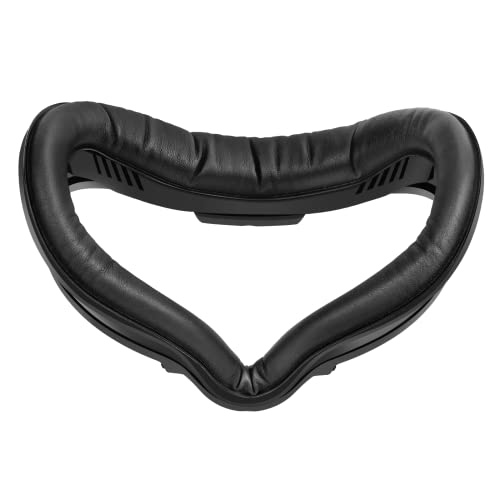
- Compatible with the original Quest 2 spacer
- PU leather and sponge foam improve comfort
- Air vents help airflow and reduce fogging
Best For: Users who want a simple, spacer-compatible Quest 2 face pad
TIANREN Complete Kit
Quest 2 Face Interface with Spacer

- Full kit includes bracket, foam, nose pad, and lens cover
- PU leather and sponge foam help with comfort
- Vent design and easy assembly add convenience
Best For: Quest 2 owners wanting a complete replacement set with included accessories
Quest 2 Comfort Pick – SUPERUS Face Cover Pad & Glasses Spacer
If you want a vr facial interface with glasses spacer for Quest 2 that aims to improve comfort and protect your lenses, this SUPERUS set is built around the basics. It combines a PU leather face cover, sponge foam cushioning, passive air vents, and an integrated glasses spacer to help with pressure, fogging, and lens safety during longer sessions.
Best For: Quest 2 users who wear glasses and want a simple comfort and lens-protection upgrade.
Pros:
- Compatible with the Oculus/Meta Quest 2 original spacer
- Passive air vents help improve circulation and reduce fogging
- PU leather and sponge foam help keep sweat off the headset
- Integrated glasses spacer is designed to keep frames stable and lenses protected
Cons:
- Made specifically for Quest 2, not newer headsets
- Focuses on comfort and protection rather than a premium multi-piece kit
This is a practical all-in-one option if you mainly want comfort, hygiene, and a straightforward glasses-friendly fit. Its value comes from covering the essentials without overcomplicating the setup.
Adjustable Quest 2 Kit – AMVR Face Pad for Quest 2
For shoppers comparing a vr facial interface with glasses spacer, this AMVR Quest 2 face pad stands out as a more flexible comfort kit. It combines multiple cushion thicknesses, a ventilation-focused interface, a nose pad for light blocking, and a lens cover, making it useful if you want to tune fit, comfort, and protection for different play styles.
Best For: Quest 2 users who want multiple padding options and stronger airflow for longer sessions.
Pros:
- Includes 12mm, 8mm, and 4mm cushion options for fit adjustments
- Vent holes and interface ventilation are designed to improve airflow
- Light-proof nose pad helps reduce light leakage
- Lens protector is included to help guard glasses from scratches and dust
Cons:
- Not compatible with Quest 3
- More parts than a basic replacement pad, so setup may take more time
This is the best choice here if you want a more adjustable Quest 2 interface rather than a single fixed cushion. The kit is especially appealing for users who care about ventilation and want multiple thicknesses to dial in comfort.
Quest 3 Easy-Clean Pick – VZNEK Face Cover Pad for Quest 3
If you need a vr facial interface with glasses spacer for Quest 3, this VZNEK face cover pad is aimed at easy cleaning, comfort, and a glasses-friendly fit. It uses a V-shaped ventilation structure, soft PU leather with foam filling, and a removable nose guard to help reduce fogging and improve day-to-day usability.
Best For: Meta/Oculus Quest 3 users who want a comfortable, easy-clean face cover that can accommodate glasses.
Pros:
- Designed for Meta/Oculus Quest 3 and compatible with the original spacer
- V-shaped vents are meant to improve airflow and reduce lens fogging
- PU leather and soft foam offer a sweat-proof, skin-friendly feel
- Quick detach-and-clean design makes maintenance simple
Cons:
- Single-item package is more minimal than multi-pad kits
- Built for Quest 3, so it is not a Quest 2 solution
For Quest 3 owners, this is a straightforward upgrade that prioritizes comfort and cleaning convenience. It makes the most sense if you want a simple face interface that still addresses airflow and glasses clearance.
Quest 2 Quick-Install Pick – KIWI design Face Cover Pad
This KIWI design option is a strong pick if you want a vr facial interface with glasses spacer for Quest 2 that focuses on airflow, comfort, and quick installation. Its L-shaped vents, soft PU leather cushion, and removable nose pieces are designed to improve ventilation, reduce pressure marks, and block stray light during play.
Best For: Quest 2 owners who want a comfortable, easy-to-install face pad with strong ventilation.
Pros:
- Patent L-shaped vents are designed to improve airflow and reduce fogging
- Soft PU leather cushion helps reduce pressure and red marks
- Two removable nose pieces help block light leakage
- Installs in under 10 seconds after removing the official spacer
Cons:
- Made for Meta/Oculus Quest 2 only
- Focused on core comfort features rather than accessory extras
This is a practical, no-fuss replacement for Quest 2 users who want better ventilation and a quick setup. It is especially appealing if you value comfort and light blocking over a larger accessory bundle.
Quest 3S Glasses-Friendly Comfort Pad – VZNEK Quest 3S Face Cover
If you want a vr facial interface with glasses spacer for Meta Quest 3S, the VZNEK face cover pad is built around comfort, easy cleaning, and room for glasses. It uses a sweat-proof PU leather surface with soft foam padding, a removable nose guard, and a ventilation design aimed at reducing lens fogging during VR play.
Best For: Quest 3S users who wear glasses and want a lightweight, easy-to-clean replacement interface with better ventilation.
Pros:
- Designed for Meta/Oculus Quest 3S and described as big enough to bear glasses
- V-shaped vents help keep air moving and reduce lens fogging
- PU leather and foam build is sweat-proof, soft, and easy to wipe clean
- Quick install and detach with a magic velcro strap
Cons:
- Made specifically for Quest 3S, so it is not a universal fit
- Does not include adjustable fit controls like a dial system
Overall, this is a straightforward comfort upgrade for Quest 3S owners who want a practical facial interface that supports glasses and helps with heat and fog during longer sessions.
Adjustable Quest 3 Comfort Interface – AMVR FC3 Face Pad
The AMVR FC3 is a strong pick if you need a vr facial interface with glasses spacer for Meta Quest 3. Its knob-adjustable height lets you fine-tune fit for comfort and FOV, while the design specifically notes that players with glasses no longer need to worry about their frames touching the lens.
Best For: Quest 3 users who want adjustable spacing, better comfort, and a glasses-friendly fit.
Pros:
- Knob adjustment makes height changes easy and precise
- Designed to help glasses wearers avoid lens contact
- Includes two face pads: PU leather and ice silk cotton
- Y-shaped air vents help reduce lens fogging
Cons:
- Not compatible with Meta Quest 3S
- May add complexity compared with a simple fixed interface
For Quest 3 owners, this is the most adjustable option in the group, with comfort and airflow features that make it better suited to mixed use, longer sessions, and sharing.
Budget Quest 2 Glasses Relief Pad – AODELAN Quest 2 Face Bracket
If you’re looking for a vr facial interface with glasses spacer for Oculus Quest 2, this AODELAN face bracket replacement focuses on breathable comfort and reduced pressure. It adds air vents to improve circulation, includes anti-light-leak nose pads, and is described as fitting securely over glasses without causing pressure or irritation.
Best For: Quest 2 users who wear glasses and want a simple breathable face cushion replacement.
Pros:
- Compatible with Oculus Quest 2
- Vent design helps improve airflow and reduce fogging
- Nose pads help block light leaks and improve the fit
- Made from breathable foam and easy to clean with a damp cloth or water
Cons:
- Only made for Quest 2, not Quest 3 or Quest 3S
- Does not include advanced adjustability like a dial or swap pads
This is a practical replacement if you want a low-fuss interface that eases face pressure and gives glasses wearers extra room without adding complexity.
TechKen Comfort Kit – Quest 2 Facial Interface with Glasses Space
If you want a vr facial interface with glasses spacer for the Meta Quest 2, this TechKen kit focuses on comfort, hygiene, and light blocking in one simple replacement set. The PU leather and sponge foam face cover is designed to feel soft, help keep sweat off the headset, and make sharing easier without losing the private fit you want.
Best For: Quest 2 users who want a comfortable replacement interface that can work with glasses, plus a lens cover and nose pad.
Pros:
- PU leather and sponge foam aim for a softer, more comfortable face fit.
- Ventilation and exhaust holes help move heat out and reduce fogging.
- Includes a silicon nose pad to help block light leakage.
- Lens cover is included for scratch protection when the headset is stored.
Cons:
- Made specifically for Oculus/Meta Quest 2, so it is not a universal option.
- Fit and comfort can vary by face shape, even with the soft nose pad.
This is a practical all-in-one upgrade if you want a more comfortable Quest 2 facial interface with the added convenience of a glasses-friendly design and basic headset protection accessories.
SUPERUS Upgrade Pad – Quest 2 Facial Interface Spacer Compatible
This vr facial interface with glasses spacer is aimed at Quest 2 owners who want a cleaner, more comfortable face pad without a complicated setup. The SUPERUS design uses PU leather and sponge foam to improve hygiene and reduce pressure, while staying compatible with the Oculus Quest 2 original spacer.
Best For: Buyers who want an easy-to-install Quest 2 face cushion that supports the original spacer and focuses on comfort and hygiene.
Pros:
- Compatible with the Oculus Quest 2 original spacer.
- PU leather and sponge foam help keep sweat off the headset.
- Passive air vents are designed to improve airflow and reduce fogging.
- Snap-in installation makes the upgrade quick and simple.
Cons:
- Does not include extras like a lens cover or nose pad.
- Best suited to Quest 2, not broader headset compatibility.
If you mainly want a straightforward replacement interface that works with the original spacer and is easy to maintain, this SUPERUS option keeps the focus on comfort, cleaner wear, and better airflow.
TIANREN Complete Kit – Quest 2 Face Interface with Spacer
For shoppers looking for a vr facial interface with glasses spacer-style support on Quest 2, this TIANREN replacement kit bundles the core pieces into one package. It combines a PU leather and sponge foam mask, vented face interface bracket, leak-proof nose pad, and lens cover, making it a practical pick if you want a full replacement set instead of buying parts separately.
Best For: Quest 2 users who want a complete replacement kit with comfort-focused materials, venting, and included protection accessories.
Pros:
- Includes the face interface bracket, soft foam mask, nose pad, and lens cover.
- PU leather with sponge foam is designed to reduce friction and sweat buildup.
- Vent design helps airflow and may reduce fogging during use.
- Easy assembly means no special tools are required.
Cons:
- Compatibility is listed for Meta Quest 2 rather than multiple headsets.
- Field of view is listed at 90 degrees in the product details.
This kit makes sense if you want an all-in-one Quest 2 face interface replacement with the practical extras many buyers look for, including light blocking, lens protection, and simple installation.
How We Picked the Best Vr Facial Interface with Glasses Spacer
We looked for interfaces that balance comfort, spacing, and device-specific compatibility. Priority went to models with cushioned contact points, reliable spacer designs, breathable materials, and easy installation. We also considered whether each option supports the headset generation it is meant for, since fit matters as much as padding.
Quick Comparison
When comparing a Vr Facial Interface with Glasses Spacer, the biggest differences usually come down to padding material, facial seal, airflow, nose coverage, and how much eye relief it provides. Some models are better for long sessions and fitness use, while others prioritize a tighter seal for immersion or lens protection.
Key Buying Factors for Vr Facial Interface with Glasses Spacer
Compatibility
Check that the interface matches your exact headset model. Quest 2, Quest 3, and Quest 3S parts are not interchangeable in every case, and a mismatch can affect fit, comfort, and tracking.
Spacer Depth and Eye Relief
If you wear glasses, look for enough clearance to avoid frame-to-lens contact. More space improves safety, but too much can slightly reduce field of view, so choose a balanced design.
Padding and Material
PU leather and sweat-resistant foam are common because they’re easy to clean and comfortable for shorter or more active sessions. Softer foam can feel better for long play, while denser padding may last longer.
Ventilation and Light Leakage
Good airflow helps reduce fogging and heat buildup. A better seal may improve immersion, but some users prefer a little ventilation for fitness, mixed reality, or warm rooms.
Ease of Cleaning
If multiple people use the headset, removable and wipeable surfaces are a major plus. A washable or replaceable face cushion helps keep the setup hygienic over time.
Who Should Buy Which Vr Facial Interface with Glasses Spacer?
Choose a comfort-first model if you play longer sessions, a sweat-resistant option if you use VR for workouts, and a more adjustable interface if you want to fine-tune fit and spacing. If you wear glasses regularly, make sure the spacer is clearly designed to protect both your frames and your lenses.
For most buyers, the best choice is the interface that matches your exact headset, gives enough room for your glasses, and offers the cushion style you’ll actually want to wear for more than a few minutes at a time.