An external GPU enclosure can turn a compatible laptop or compact computer into a more capable gaming and content-creation system without replacing the entire machine. Models with Ethernet add a convenient wired networking option alongside graphics expansion.
This roundup compares 10 options across USB4, Thunderbolt 3, Thunderbolt 4, and Thunderbolt 5 platforms, focusing on bandwidth, power delivery, connectivity, compatibility, and practical desktop use.
Best 10 External GPU Enclosures with Ethernet Picks for 2026
Versatile USB4 Expansion

- PCIe x16 GPU support with up to 32Gbps PCIe 3.0 x4 transfer
- Gigabit Ethernet and M.2 NVMe slot up to 2TB
- PD 60W, dual TB3 ports, and SFX/ATX mounting support
Best For: Users needing eGPU, Ethernet, and NVMe expansion in one dock
Professional PCIe Connectivity
StarTech Thunderbolt 3 PCIe Chassis

- One external PCIe 3.0 x16 slot over Thunderbolt
- Supports Ethernet, fiber, capture, NVMe, and other cards
- Not compatible with graphics cards
Best For: Professional PCIe and Ethernet-card expansion without GPU support
All-in-One GPU Dock

- PCIe x16 GPU support with up to 32Gbps PCIe transfer
- Gigabit Ethernet, M.2 NVMe, dual TB3 ports, and 60W PD
- Compatible with SFX and ATX power supplies
Best For: Custom eGPU builds requiring networking and storage expansion
Next-Generation Performance
Razer Core X V2 eGPU Enclosure
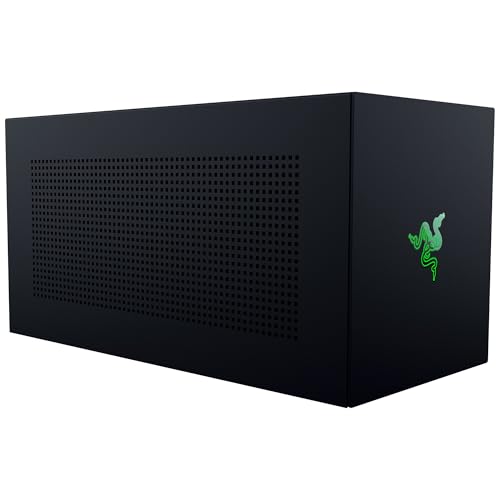
- Fits four-slot NVIDIA and AMD desktop GPUs
- Thunderbolt 5 bandwidth up to 80Gbps and PCIe Gen 4
- 140W USB-C PD with 120mm active cooling
Best For: Windows gaming and creative users prioritizing GPU capacity over built-in Ethernet
Best for Offline AI

- 80Gbps Thunderbolt 5 bandwidth
- 850W PSU with up to 600W GPU power
- 2.5Gbps Ethernet and 96W charging
Best For: Windows 11 users running private, local AI workloads
Best Portable Value

- 240W PSU and carrying case included
- Supports compact GPUs up to 205mm
- 85W and 15W power delivery ports
Best For: Portable setups with smaller GPUs and compatible USB-C hosts
Best for Wired Networking
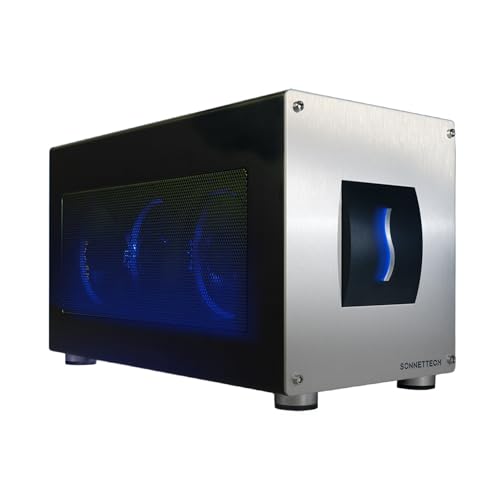
- Built-in 5GbE Ethernet
- 850W PSU for demanding GPUs
- Triple-wide GPU and Thunderbolt 5 support
Best For: Windows 11 professionals needing fast wired networking
Best Expansion Hub

- Supports NVIDIA and AMD graphics cards
- Includes 2.5Gbps Ethernet and multiple expansion ports
- Offers flexible DC, PD, or ATX power input
Best For: Multi-purpose laptop, desktop, and console expansion
Best Compact Option

- Adds Gigabit Ethernet and 40Gbps connectivity
- Includes an M.2 NVMe slot up to 2TB
- Supports 60W charging and flexible power supplies
Best For: USB4 laptops, NUCs, and consoles needing compact expansion
Best Built-In Power

- Includes a built-in 750W power supply
- Supports single- and dual-slot cards within size limits
- Adds 85W PD, daisy chaining, and USB expansion
Best For: Windows 11 Thunderbolt systems needing a powered enclosure
Versatile USB4 Expansion – USB4 40Gbps eGPU Dock
This USB4 docking station is a flexible option among external gpu enclosures with ethernet, combining support for a PCIe x16 graphics card with Gigabit RJ45 networking, an M.2 NVMe slot, and USB4 connectivity. It supports Thunderbolt 3/4 systems, but installation may require separate power hardware and compatibility adjustments.
Best For: Laptop, NUC, and gaming-console users who want eGPU expansion plus Ethernet and NVMe storage.
Pros:
- Supports PCIe 3.0 x4 data transfer up to 32Gbps for GPU use.
- Includes Gigabit Ethernet, an M.2 NVMe slot supporting up to 2TB, and two TB3 ports.
- Supports PD 60W charging and SFX or ATX mounting options.
Cons:
- Power supply, GPU, and related setup components may need to be sourced separately.
- Installation can require driver and hardware compatibility adjustments.
This is a feature-rich dock for buyers who want networking and storage alongside eGPU capability. Confirm the host device, graphics card, and power-supply requirements before buying.
Professional PCIe Connectivity – StarTech Thunderbolt 3 PCIe Chassis
The StarTech TB31PCIEX16 is a Thunderbolt PCIe expansion chassis for adding specialized cards to compatible laptops and desktops. It can accommodate Ethernet or fiber connectivity cards, but it is not a graphics-card enclosure, so it is not suitable for users specifically seeking an external GPU.
Best For: Professionals adding Ethernet, fiber, capture, NVMe, or other single-width PCIe cards to a Thunderbolt computer.
Pros:
- Provides one external PCIe 3.0 x16 slot over Thunderbolt 3/4.
- Supports single-width cards up to 8 inches long with a toolless aluminum design.
- Includes a 65W universal power adapter, active cooling, and Thunderbolt cable.
Cons:
- Explicitly does not support GPU graphics cards.
- Limited to one single-width PCIe card and 25W through the PCIe slot.
This chassis is a strong choice for external Ethernet or other PCIe expansion, but it should not be purchased as an eGPU solution. Its clear strength is dependable peripheral-card expansion over Thunderbolt.
All-in-One GPU Dock – 40Gbps USB4 eGPU Station
This 40Gbps USB4 station targets buyers comparing external gpu enclosures with ethernet and storage expansion. It combines PCIe x16 GPU support with Gigabit RJ45, an M.2 NVMe interface, dual TB3 ports, and support for SFX or ATX power supplies for laptops, NUCs, and gaming consoles.
Best For: Users building a customizable eGPU setup with Ethernet, NVMe storage, and flexible desktop-style power options.
Pros:
- Supports 40Gbps data transfer and PCIe 3.0 x4 speeds up to 32Gbps.
- Adds Gigabit Ethernet, M.2 NVMe expansion, and two TB3 ports.
- Supports PD 60W charging and SFX or ATX power supplies.
Cons:
- Power supply and graphics card requirements must be matched separately.
- Setup may require compatibility adjustments and basic technical knowledge.
This dock offers broad expansion in a compact aluminum-alloy design, especially for buyers who want more than GPU connectivity alone. Verify your host’s USB4 or Thunderbolt compatibility and the chosen GPU’s power needs.
Next-Generation Performance – Razer Core X V2 eGPU Enclosure
The Razer Core X V2 is a premium external GPU enclosure for compatible Windows 11 laptops and devices using Thunderbolt 4, Thunderbolt 5, or USB4. It supports four-slot-wide NVIDIA and AMD desktop graphics cards, while its USB-C power delivery and included high-speed cable add convenience for demanding gaming and creative workloads.
Best For: Windows users seeking a spacious, actively cooled enclosure for current NVIDIA or AMD desktop GPUs.
Pros:
- Supports four-slot-wide NVIDIA and AMD graphics cards with PCIe Gen 4.
- Thunderbolt 5 connectivity offers bandwidth up to 80Gbps.
- Provides up to 140W USB-C PD and includes a 120mm active-cooling fan.
Cons:
- Graphics card and power supply are sold separately.
- It does not include a built-in RJ45 Ethernet port.
- Mac devices with M1 or later chipsets do not support eGPUs.
Choose this enclosure for GPU capacity and newer Thunderbolt performance rather than integrated Ethernet. If Ethernet is essential, plan on using a separate adapter or dock alongside the Core X V2.
Best for Offline AI – Plugable TBT5-AI AI Enclosure
The Plugable TBT5-AI is a powerful option among external gpu enclosures with ethernet, combining an 80Gbps Thunderbolt 5 connection with a full-size PCIe x16 slot and an included 850W power supply. It is designed for Windows 11 users who want to install their own high-end graphics card and run AI workloads locally.
Best For: Windows 11 users building a private, offline AI workstation with a compatible NVIDIA or AMD GPU.
Pros:
- 850W 80+ Gold PSU supplies up to 600W to the installed GPU.
- Includes 2.5Gbps Ethernet, 96W host charging, Thunderbolt 5 expansion, and 10Gbps USB ports.
- Supports GPUs up to 346mm long, 3.5 slots wide, and 600W.
Cons:
- GPU is not included.
- Windows 11 only; not compatible with macOS, Linux, ChromeOS, or Thunderbolt 3.
- USB4 systems must specifically support external GPUs.
This is the most capable and feature-rich choice here for privacy-focused AI and demanding graphics work. Confirm both your host connection and GPU dimensions before buying.
Best Portable Value – GODLIY Compact eGPU Enclosure
The GODLIY enclosure is a compact pick among external gpu enclosures with ethernet alternatives, although this model does not list an Ethernet port. It includes a 240W power supply, Thunderbolt 4 cable, PCIe power cable, and carrying case for adding a compatible GPU to a laptop, mini PC, or handheld.
Best For: Portable gaming, editing, or rendering setups using smaller graphics cards and Thunderbolt 3, Thunderbolt 4, or compatible USB4 devices.
Pros:
- Complete kit includes the enclosure, 240W PSU, cables, and custom carrying case.
- Compact aluminum chassis is designed for portability.
- Offers 85W and 15W power delivery through its Thunderbolt ports, plus DisplayPort.
Cons:
- Does not include a graphics card.
- Supports cards up to 205mm long, 150mm high, and 55mm wide.
- Short 30-day warranty and no Ethernet port listed.
Choose this model when portability and included accessories matter more than maximum GPU size or wired networking. Check the card dimensions and verify that your USB-C port supports Thunderbolt 3, Thunderbolt 4, or USB4.
Best for Wired Networking – Sonnet Breakaway Box 850 T5
The Sonnet Breakaway Box 850 T5 stands out among external gpu enclosures with ethernet by pairing 80Gbps Thunderbolt 5 bandwidth with built-in 5 Gigabit Ethernet. Its 850W power supply and triple-wide GPU support make it suited to demanding Windows 11 editing, rendering, AI, and visual-effects workflows.
Best For: Windows 11 professionals who need a high-power external GPU enclosure and fast wired network connectivity.
Pros:
- Built-in 5GbE RJ45 port provides fast wired networking.
- 850W power supply supports power-hungry current and future GPUs.
- Supports triple-wide NVIDIA and AMD cards and includes three 10Gbps USB-A ports.
- Temperature-controlled fan helps cool the installed card.
Cons:
- GPU is not included.
- Designed for Windows 11 systems; compatibility should be confirmed for the host computer.
- Large and heavy at approximately 14.1 pounds.
This is the strongest match for buyers who specifically want integrated high-speed Ethernet alongside desktop-class GPU expansion. Its size is best suited to a permanent desk setup rather than frequent travel.
Best Expansion Hub – 24Gbps Thunderbolt eGPU Dock
For shoppers comparing external gpu enclosures with ethernet, this OwlTree dock stands out as a flexible expansion option for Windows, Linux, and compatible gaming consoles. It supports Thunderbolt 3/4 and USB4, adds 2.5Gbps Ethernet, and accepts a broad range of NVIDIA and AMD graphics cards, but the GPU and power supply are sold separately.
Best For: Windows laptop, desktop, and console users who want fast Ethernet, display, storage-card, and USB expansion alongside an external graphics card.
Pros:
- Supports compatible NVIDIA and AMD graphics cards with available official drivers.
- Includes 2.5Gbps RJ45 Ethernet, DisplayPort, UHS-II SD and TF card slots, and dual 10Gbps USB ports.
- Offers dual Thunderbolt ports with daisy-chain support and multiple power-input options.
- Works with Thunderbolt 3, Thunderbolt 4, and USB4 devices using compatible Windows 10/11 or Linux systems.
Cons:
- Graphics card and power supply are not included.
- Power setup requires careful matching of the selected DC or ATX supply and GPU wiring.
- Maximum DC input is limited to 330W.
The combination of 2.5Gbps Ethernet and broad expansion makes this a particularly versatile dock for creative work, AI art, video editing, and gaming. Check host-port compatibility and plan the power setup before buying.
Best Compact Option – Portable Aluminum eGPU Dock
This portable aluminum dock is a practical choice among external gpu enclosures with ethernet for USB4 laptops, NUCs, and gaming consoles. It combines a PCIe x16 GPU connection with 40Gbps USB4/TB3 connectivity, Gigabit Ethernet, an M.2 NVMe slot, and 60W power delivery in a chassis designed for flexible installation.
Best For: Users who want a compact aluminum eGPU platform with Gigabit Ethernet, NVMe expansion, and support for separate SFX, ATX, or DC power arrangements.
Pros:
- Provides RJ45 Gigabit Ethernet alongside two Thunderbolt 3 ports.
- Supports up to 40Gbps data transfer and PCIe 3.0 x4 GPU data transfer.
- Includes an M.2 NVMe SSD slot supporting capacities up to 2TB.
- Supports 60W PD charging and SFX or ATX bracket installation.
Cons:
- Power supply and graphics card require separate preparation.
- Installation may require hardware and driver compatibility knowledge.
- Ethernet is Gigabit rather than 2.5Gbps.
Its combination of Ethernet, NVMe storage, charging, and GPU expansion gives this dock strong utility in a small aluminum enclosure. Confirm your host has the required USB4 or Thunderbolt 3 connectivity and choose a suitable power supply for the graphics card.
Best Built-In Power – ORARA 750W eGPU Enclosure
For buyers seeking external gpu enclosures with ethernet and a built-in power solution, the ORARA enclosure includes a 750W PSU and supports Thunderbolt 3/4 or USB4 systems. It also provides 85W PD, daisy chaining, and hub functionality, though its GPU size limits and operating-system restrictions deserve careful attention.
Best For: Compatible Windows 11 laptops, NUCs, and game machines using Thunderbolt 3/4 or USB4 that need a powered enclosure for a single- or dual-slot NVIDIA or AMD card.
Pros:
- Includes a built-in 750W power supply for the installed graphics card.
- Supports single-slot and dual-slot cards up to 13.7 × 6.17 × 2.3 inches.
- Offers 85W PD, daisy-chain support, and 32Gbps PCIe 3.0 x4 data transfer.
- Adds a 10Gbps USB-A port and an additional Thunderbolt 4 port.
Cons:
- Does not support three-slot graphics cards.
- Requires Thunderbolt 3/4 or USB4; standard USB-C and older Thunderbolt 1/2 ports are not supported.
- Windows users need the latest Windows 11 version, and the enclosure is not compatible with Apple M1–M4 MacBooks.
The built-in 750W PSU simplifies power planning, while Ethernet is provided through the compatible host or an added network adapter rather than a listed RJ45 port on this enclosure. Verify your computer, operating system, and graphics-card dimensions before purchase.
How We Picked the Best External GPU Enclosures with Ethernet
We evaluated these enclosures by looking at the features that most affect real-world setup and value: host connectivity, PCIe slot support, power-supply capacity, graphics-card clearance, cooling, included expansion ports, Ethernet availability, charging support, and operating-system compatibility. We also considered whether each model suits a permanent desk setup, a portable workstation, or a flexible dock-and-GPU configuration.
Because performance depends on the laptop, graphics card, cable, drivers, and workload, an enclosure’s advertised link speed is only one part of the decision. Thunderbolt 5 and USB4 models can offer newer connectivity, but the computer and cable must support the relevant standard to benefit from it.
Quick Comparison
| Best For | Look For | Why It Matters |
|---|---|---|
| Gaming laptop upgrade | Strong PSU and full-length GPU support | Handles demanding cards reliably |
| One-cable desk setup | Ethernet, USB ports, and power delivery | Reduces cable clutter |
| Creative professionals | High bandwidth and dependable cooling | Helps with rendering and large workloads |
| Portable use | Compact enclosure and manageable weight | Easier to move between locations |
| Future-proofing | USB4 or Thunderbolt 5 | Supports newer host devices and accessories |
Key Buying Factors for External GPU Enclosures with Ethernet
Host Compatibility and Bandwidth
Confirm that your computer has a compatible Thunderbolt or USB4 port with PCIe tunneling. A USB-C connector alone does not guarantee eGPU support. Check the laptop manufacturer’s specifications, then match the enclosure’s standard and cable requirements. Thunderbolt 3 and 4 remain widely supported, while Thunderbolt 5 offers more headroom on compatible systems.
Ethernet and Docking Features
Built-in Ethernet is useful for stable gaming, large file transfers, remote work, and desktop docking. A 1Gbps RJ45 port is sufficient for many home networks, but users with faster networking should verify whether the enclosure supports multi-gigabit Ethernet. Also check the number and type of USB ports, display outputs, card readers, and other expansion connections.
Power Supply, Card Size, and Cooling
Compare the enclosure’s PSU rating with the recommended power requirements of the graphics card. Leave additional headroom rather than choosing a supply that operates at its limit. Verify maximum card length, height, and slot width, especially for oversized modern GPUs. Adequate airflow and accessible fans help maintain consistent performance during long sessions.
Charging and Everyday Convenience
Some models can charge a connected laptop through the same cable, but power-delivery limits vary. Check the wattage against your laptop’s needs. A detachable cable, tool-free access, quiet cooling, and a sturdy enclosure can matter as much as peak transfer speed for daily use.
Who Should Buy Which External GPU Enclosures with Ethernet?
Choose a high-wattage enclosure if you plan to install a powerful desktop GPU or run demanding games and creative applications. A Thunderbolt 5 model is the better long-term choice for a compatible new laptop and users who want maximum connectivity headroom. USB4 enclosures with Ethernet, storage support, or charging are attractive for flexible workstation and docking setups.
For a compact travel workstation, prioritize a smaller enclosure with a sensible power supply and the ports you actually use. If your computer only supports Thunderbolt 3 or 4, a proven compatible enclosure may deliver better value than paying for a newer standard your system cannot exploit. Before buying, confirm GPU dimensions, PSU requirements, host support, included cables, and the enclosure’s Ethernet speed.