Choosing among today’s computer processors means balancing gaming speed, core counts, platform longevity, power use, and total upgrade cost. The right chip depends less on headline specifications than on how you use your PC.
We’ve gathered ten strong options across AMD and Intel, from affordable six-core processors to high-end chips designed for demanding games and heavily threaded workloads.
Best 10 Computer Processors Picks for 2026
Best Gaming Value
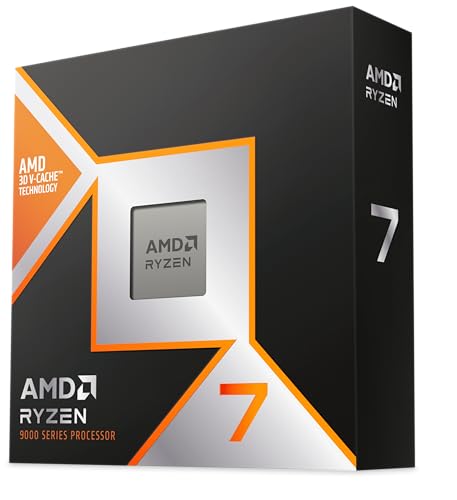
- 8 cores and 16 threads
- 96MB L3 cache with 3D V-Cache
- AM5-ready, up to 5.2GHz
Best For: Enthusiast gaming PCs
Best High-Core Intel Option

- 24 cores: 8 P-cores and 16 E-cores
- Boosts up to 5.5GHz
- LGA1851 with DDR5 and PCIe 5.0
Best For: Gaming, creation, and overclocking
Best for Gaming and Creation

- 16 Zen 5 cores
- Boosts up to 5.7GHz
- 144MB total cache on AM5
Best For: High-end gaming and content creation
Best DDR4/DDR5 Flexibility
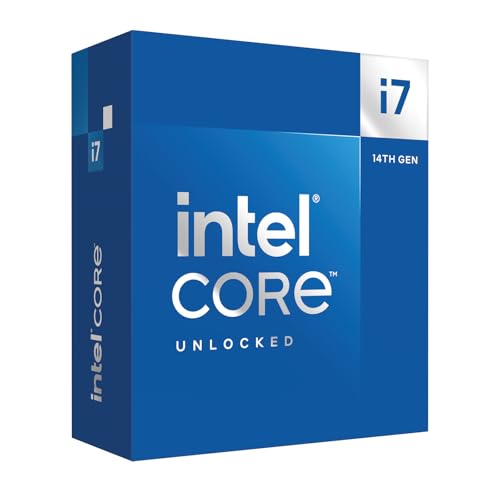
- 20 cores and 28 threads
- Up to 5.6GHz turbo speed
- Integrated UHD 770 graphics
Best For: Flexible Intel gaming builds
Gaming Performance Pick

- 8 cores and 16 threads
- 96 MB L3 cache
- Socket AM5 platform
Best For: Gaming-focused AM5 desktop builds
Balanced Mainstream Choice

- 10 cores and 16 threads
- Up to 4.7 GHz
- DDR4 and DDR5 support
Best For: Versatile mainstream desktop builds
Creator and Enthusiast Powerhouse

- 16 cores and 32 threads
- Up to 5.7 GHz boost
- 80 MB cache and DDR5-5600
Best For: High-end creation and enthusiast systems
High-End Gaming Pick
- 12 cores and 24 threads
- Up to 5.6 GHz boost
- AM5, DDR5-5600, and PCIe 5.0 support
Best For: Enthusiast gaming PCs and powerful AM5 builds
Balanced Gaming Value

- 6 cores and 12 threads
- Up to 5.4 GHz boost
- 65-watt AM5 processor with DDR5 support
Best For: Mainstream AM5 gaming PCs
Budget AM4 Upgrade

- 6 cores and 12 threads
- Wraith Stealth cooler included
- AM4 and DDR4-3200 support
Best For: Budget gaming PCs and AM4 upgrades
Best Gaming Value – AMD Ryzen 7 9800X3D
The AMD Ryzen 7 9800X3D is a focused choice among computer processors for gaming systems that prioritize high frame rates, efficient performance, and a straightforward AM5 upgrade path. Its Zen 5 architecture, 3D V-Cache, and high clock speed are designed for demanding desktop gaming.
Best For: Enthusiast gaming PCs and builders using Socket AM5 infrastructure.
Pros:
- 8 cores and 16 threads with up to 5.2GHz clock speed
- 96MB L3 cache and next-generation 3D V-Cache
- Drop-in ready for established Socket AM5 platforms
- Designed for improved thermal performance and power efficiency
Cons:
- Cooler is not included
- Its 8-core design is less suited to heavily threaded workloads than higher-core alternatives
Choose this processor when gaming performance is the main priority and you already have, or plan to build around, an AM5 motherboard. Budget separately for an external cooler.
Best High-Core Intel Option – Core Ultra 7 270K Plus
Intel® Core™ Ultra 7 Processor 270K Plus 24 cores (8 P-cores + 16 E-cores) up to 5.5 GHz
Check Price On AmazonThe Intel Core Ultra 7 270K Plus is one of the more flexible computer processors for demanding gaming and creator workloads. It combines 8 performance cores with 16 efficiency cores, supports fast DDR5 memory, and offers an unlocked design for tuning on compatible Intel platforms.
Best For: Power users and enthusiasts building with an Intel 800 Series motherboard.
Pros:
- 24-core configuration with 8 P-cores and 16 E-cores
- Up to 5.5GHz max turbo frequency
- Supports PCIe 5.0/4.0 and DDR5 memory up to 7200 MT/s
- Unlocked for tuning with Intel Z-series chipsets
Cons:
- Requires an LGA1851 motherboard and Intel 800 Series chipset platform
- Maximum turbo power is rated at 250W, so cooling and power planning matter
This is a strong fit for buyers who want substantial core capacity and current platform connectivity. Its high power ceiling makes a capable cooling solution an important part of the build.
Best for Gaming and Creation – AMD Ryzen 9 9950X3D
The AMD Ryzen 9 9950X3D is a premium desktop choice among computer processors, pairing 16 cores with AMD’s Zen 5 architecture and 3D V-Cache. Its combination of a 5.7GHz boost clock and large total cache is aimed at users who want strong gaming and content-creation capability from one processor.
Best For: High-end desktop gaming and content-creation systems built on AM5.
Pros:
- 16-core Zen 5 desktop processor
- Up to 5.7GHz max boost clock
- 144MB total installed cache
- Uses the established Socket AM5 platform
Cons:
- 170W wattage calls for careful cooling and power planning
- Its premium specifications may be more than needed for basic desktop use
For buyers balancing demanding games with content creation, this processor offers a high-end specification set in a familiar AM5 form factor. Plan the rest of the system around its 170W rating.
Best DDR4/DDR5 Flexibility – Intel Core i7-14700K
The Intel Core i7-14700K remains a versatile option among computer processors for gaming and general high-performance desktop work. It provides 20 cores and 28 threads, integrated Intel UHD Graphics 770, and support for either DDR4 or DDR5 platforms when paired with a compatible motherboard.
Best For: Gaming-focused builders who want integrated graphics and memory-platform flexibility.
Pros:
- 20 cores and 28 threads, including 8 P-cores and 12 E-cores
- Up to 5.6GHz with Turbo Boost Max Technology 3.0
- Integrated Intel UHD Graphics 770
- Supports compatible Intel 600- and 700-series motherboards plus DDR4 or DDR5
Cons:
- Some Intel 600-series motherboards may require a BIOS update
- Unlocked processors benefit from appropriate cooling and a compatible setup
This is a practical choice for upgrading within Intel’s 14th Gen ecosystem, especially if you want to reuse DDR4 or move to DDR5. Verify motherboard compatibility before buying, since the supplied listing’s socket detail is inconsistent.
Gaming Performance Pick – Ryzen 7 7800X3D
The AMD Ryzen 7 7800X3D is a strong choice among computer processors for gaming-focused desktop builds and demanding everyday use. Its 8-core, 16-thread design, 96 MB of L3 cache, and AM5 platform provide a capable foundation for responsive multitasking and fast game performance.
Best For: Gamers and users building an AM5 desktop with strong multitasking capability.
Pros:
- 8 cores and 16 threads support reliable multitasking.
- 96 MB of L3 cache can help improve access to frequently used data.
- 4.20 GHz clock speed and AMD Radeon Graphics support responsive operation and graphics output.
- Uses the modern 5 nm process and Socket AM5 platform.
Cons:
- Its 120-watt rating may require suitable cooling and power planning.
- AM5 compatibility means a compatible motherboard is required.
Choose the Ryzen 7 7800X3D when balanced gaming and general desktop performance matter more than having the highest core count available.
Balanced Mainstream Choice – Intel Core i5-14400F
Intel Core i5-14400F Desktop Processor 10 cores (6 P-cores + 4 E-cores) up to 4.7 GHz
Check Price On AmazonThe Intel Core i5-14400F is a practical option among computer processors for mainstream desktops that need flexible performance. Its hybrid 10-core, 16-thread layout combines six P-cores with four E-cores, while support for DDR4 or DDR5 memory helps accommodate different build plans.
Best For: Mainstream desktop users who want hybrid-core performance and broad memory support.
Pros:
- 10 cores and 16 threads provide capable multitasking performance.
- Hybrid architecture helps prioritize and distribute workloads.
- Boosts up to 4.7 GHz and includes 20 MB of cache.
- Supports PCIe 5.0, PCIe 4.0, DDR4, and DDR5 memory.
Cons:
- Discrete graphics are required because this is an F-series processor.
- Some Intel 600-series motherboards may need a BIOS update.
- Its listed wattage is 148 watts, so cooling should be planned accordingly.
The Core i5-14400F makes sense for a versatile desktop build, especially if you already have—or plan to choose—a compatible LGA1700 motherboard and discrete graphics card.
Creator and Enthusiast Powerhouse – Ryzen 9 9950X
The AMD Ryzen 9 9950X is designed for demanding users comparing high-end computer processors. With 16 cores, 32 threads, Zen 5 architecture, and a maximum boost of 5.7 GHz, it offers substantial processing headroom for creator workloads and high-performance gaming systems.
Best For: Content creators, enthusiasts, and users who need high multi-core capacity.
Pros:
- 16 cores and 32 threads are well suited to heavily threaded workloads.
- Up to 5.7 GHz boost speed supports fast single-threaded performance.
- 80 MB of cache and DDR5-5600 support complement demanding systems.
- Unlocked design supports overclocking, and the AM5 platform supports PCIe 5.0 on select motherboards.
Cons:
- Cooler is not included.
- A liquid cooler is recommended.
- The 170-watt rating calls for careful cooling and power planning.
The Ryzen 9 9950X is the most capable choice here for users prioritizing core count and creator-oriented performance, provided they budget for robust cooling and an AM5 motherboard.
High-End Gaming Pick – Ryzen 9 9900X
The AMD Ryzen 9 9900X is a high-end choice for shoppers comparing computer processors for demanding gaming and desktop builds. Its 12-core, 24-thread design, Zen 5 architecture, and up to 5.6 GHz boost speed provide substantial headroom for high frame rates and multitasking.
Best For: Enthusiast gaming PCs and powerful AM5 desktop builds.
Pros:
- 12 cores and 24 threads for demanding workloads
- Up to 5.6 GHz boost and unlocked overclocking support
- 76 MB cache with DDR5-5600 support
- Supports PCIe 5.0 on select Socket AM5 motherboards
Cons:
- Cooler is not included
- Requires a compatible Socket AM5 motherboard and DDR5 memory
- Its 120-watt rating may call for more capable cooling
The Ryzen 9 9900X is a strong fit when maximum processing capacity matters. Plan the rest of the build around AM5 compatibility and add an appropriate CPU cooler.
Balanced Gaming Value – Ryzen 5 9600X
The AMD Ryzen 5 9600X is a practical option for computer processors aimed at smooth gaming performance without moving to a higher-core Ryzen 9 model. It combines six Zen 5 cores, 12 threads, and up to 5.4 GHz boost with an efficient 65-watt rating.
Best For: Mainstream gaming PCs using the Socket AM5 platform.
Pros:
- 6 cores and 12 threads for gaming and everyday desktop use
- Up to 5.4 GHz boost with unlocked overclocking support
- 38 MB cache and DDR5-5600 support
- Supports PCIe 5.0 on select Socket AM5 motherboards
Cons:
- Cooler is not included
- Requires an AM5 motherboard and DDR5 memory
- Offers fewer cores than the Ryzen 9 9900X
Choose the Ryzen 5 9600X for a modern AM5 gaming build focused on strong performance and a manageable power rating. Remember to budget for a compatible cooler.
Budget AM4 Upgrade – Ryzen 5 5500
AMD Ryzen 5 5500 6-Core, 12-Thread Unlocked Desktop Processor with Wraith Stealth Cooler
Check Price On AmazonThe AMD Ryzen 5 5500 is a sensible pick for shoppers seeking computer processors for an existing Socket AM4 system. Its six cores and 12 threads support everyday computing and gaming, while the included Wraith Stealth cooler simplifies the initial build.
Best For: Budget gaming PCs and Socket AM4 upgrades with DDR4 memory.
Pros:
- 6 cores and 12 threads
- Includes the AMD Wraith Stealth cooler
- Unlocked for overclocking with up to 4.2 GHz boost
- Supports DDR4-3200 on the Socket AM4 platform
Cons:
- Requires a discrete graphics card
- Uses the older Socket AM4 platform rather than AM5
- Has less cache and lower boost speed than the newer Ryzen models here
The Ryzen 5 5500 makes the most sense when you already have an AM4 motherboard or DDR4 memory to reuse. Its bundled cooler can also help keep a value-focused build simple.
How We Picked These Computer Processors
We selected processors that represent useful choices across gaming, general desktop use, content creation, and budget upgrades. Our criteria include core and thread counts, boost-clock potential, platform compatibility, upgrade flexibility, integrated graphics, cooling requirements, and overall value. We also considered whether each processor has a clear role rather than including models with overlapping strengths simply to inflate the list.
Specifications alone do not determine real-world performance. A processor’s results depend on the motherboard, memory, graphics card, cooling system, software, and power limits. Check current pricing before buying, since a small price difference can change which model offers the best value.
Quick Comparison
| Best For | Recommended Direction | What to Prioritize |
|---|---|---|
| High-refresh-rate gaming | Ryzen 7 X3D models | Gaming performance, cache, and strong single-thread speed |
| Gaming plus heavy creation | Ryzen 9 X3D or Intel Core Ultra 7 | Extra cores, platform features, and cooling capacity |
| Video editing and rendering | Ryzen 9 or high-core-count Intel | Multicore throughput, memory support, and sustained power |
| Mainstream gaming | Ryzen 5 9600X or Core i5-14400F | Balanced cost, graphics-card pairing, and upgrade path |
| Low-cost AM4 upgrade | Ryzen 5 5500 | Existing motherboard compatibility and total platform cost |
Key Buying Factors for Computer Processors
Gaming Performance
For gaming, frame-time consistency and single-thread performance often matter more than maximum core count. Chips with large gaming-focused cache can be especially effective in CPU-limited titles, but the benefit varies by game and resolution. If you play at 1440p or 4K with a powerful graphics card, compare benchmarks for your specific games rather than assuming the most expensive processor will help equally.
Core Count and Workload Type
Six cores are sufficient for many gaming and everyday systems, while eight cores offer more headroom for streaming, multitasking, and long-term use. Twelve- and sixteen-core processors make more sense for video production, 3D rendering, software compilation, virtual machines, and other workloads that scale across threads.
Socket, Motherboard, and Memory
Confirm the processor socket and chipset before ordering. A newer CPU may require a new motherboard and memory, while an older compatible chip can be a cost-effective drop-in upgrade. Also verify BIOS support, memory compatibility, expansion features, and whether the board’s power delivery is appropriate for the processor.
Cooling, Power, and Integrated Graphics
High-performance processors need capable cooling and adequate case airflow. Budget for a suitable air cooler or liquid cooler when one is not included. A model with integrated graphics can simplify troubleshooting or provide display output without a discrete GPU; an “F” designation generally means integrated graphics are disabled or absent, so a graphics card is required.
Who Should Buy Which Computer Processors?
Choose a Ryzen 7 X3D processor if gaming is your top priority and you want excellent performance at high refresh rates. Move to a Ryzen 9 X3D or a high-core-count Intel model if you also run demanding creative applications. Ryzen 9 non-X3D options are sensible when sustained multicore work matters more than maximum gaming performance.
For balanced mainstream builds, the Ryzen 5 9600X and Core i5-14400F are practical starting points; select based on platform features, pricing, and whether you need integrated graphics. The Ryzen 5 5500 is best suited to an existing AM4 system or a particularly low-cost build, provided its older platform limitations fit your plans.
Finally, compare the complete system cost—not just the CPU. Include the motherboard, memory, cooler, graphics card, power supply, and operating requirements. The best computer processor is the one that fits the rest of the build without forcing expensive compromises elsewhere.