The best condenser microphones can capture detailed vocals, instruments, podcasts, and streams with impressive clarity. The right choice depends on your recording environment, connection type, and budget.
This roundup compares 10 notable USB and XLR models, from affordable beginner options to studio-focused microphones, so you can choose a setup that fits your workflow.
Best 10 Condenser Microphones Picks for 2026
Studio Standard

- Cardioid XLR condenser for home studios
- Handles high SPL with a wide dynamic range
- Includes mount, adapter, and protective pouch
Best For: Project studios and XLR recording setups
Complete Vocal Setup

- Large-diaphragm XLR condenser for vocals
- 4.5 dBA self-noise and tight cardioid pickup
- Includes shock mount, pop filter, and XLR cable
Best For: Vocalists and streamers with an audio interface
Budget Home-Recording Kit
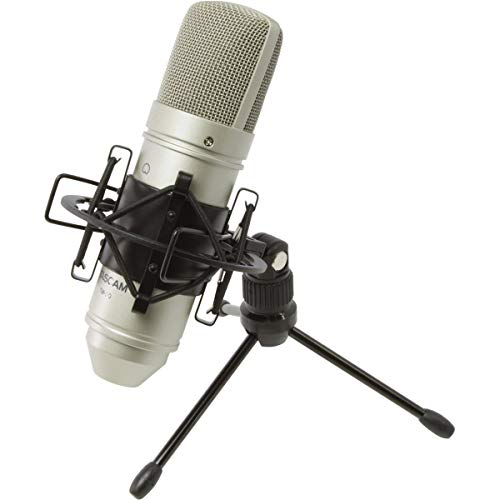
- Affordable XLR condenser for home recording
- Handles sources up to 136 dB SPL
- Includes stand, cable, and shock mount
Best For: Budget-conscious home studios and loud instruments
Premium Studio Pick
Shure SM4 XLR Condenser Microphone Kit

- Smooth, detailed sound with high-SPL handling
- RF shielding and integrated pop filter
- Includes shock mount, adapter, and carrying case
Best For: Home-studio vocals, instruments, podcasts, and video recording
Budget Studio Value
Mackie EM-91C Large-Diaphragm Condenser

- Affordable professional-quality studio microphone
- Cardioid pattern reduces ambient sound
- Includes shock mount and XLR cable
Best For: Budget-conscious home studios recording vocals and instruments
Flexible USB Choice
Blue Yeti USB Condenser Microphone

- Plug-and-play USB setup for PC and Mac
- Four selectable pickup patterns
- Onboard controls and no-latency monitoring
Best For: Streaming, podcasting, gaming, meetings, and computer recording
Best Plug-and-Play Pick
FIFINE K669B USB Condenser Microphone

- Plug-and-play USB setup
- Cardioid pickup with volume knob
- Metal body and tripod stand
Best For: Computer recording, calls, gaming, and streaming
Best Gaming Feature Set
TONOR TC310+ RGB USB Microphone

- Boom arm and accessory kit included
- Tap-to-mute and gain control
- Customizable RGB lighting
Best For: Gaming, streaming, and content creation
Best Home Studio Bundle
FIFINE T669 Studio USB Condenser Mic

- Complete boom-arm recording kit
- Cardioid capsule for focused voice capture
- Pop filter and shock mount included
Best For: Podcasting, voiceovers, and home studios
Studio Standard – Audio-Technica AT2020
The Audio-Technica AT2020 is a practical starting point for anyone comparing condenser microphones for a project or home studio. Its cardioid pattern helps reduce sound from the sides and rear, while high SPL handling and a wide dynamic range support vocals and other recording tasks.
Best For: Home-studio recording, vocals, and users who already have an audio interface with phantom power.
Pros:
- Cardioid pickup improves isolation of the intended sound source.
- High SPL handling and wide dynamic range offer recording versatility.
- Includes a stand mount, threaded adapter, and protective pouch.
Cons:
- Requires an XLR connection and phantom power.
- Does not include an audio interface or desktop stand.
The AT2020 is a straightforward wired condenser microphone for building an XLR-based recording setup. It is especially appealing when sound isolation and flexible SPL handling matter more than built-in USB convenience.
Desktop USB Pick – RØDE NT-USB+
The RØDE NT-USB+ is a convenient choice among condenser microphones for recording directly to a computer, tablet, or smartphone. USB-C connectivity, zero-latency headphone monitoring, and included desktop accessories make it well suited to an all-in-one setup.
Best For: Podcasting, streaming, music recording, and calls where simple USB setup is a priority.
Pros:
- USB-C connection works with computers and mobile devices.
- Headphone output provides zero-latency monitoring and versatile controls.
- Includes a desktop stand, detachable pop filter, and USB-C cable.
- RØDE Central software offers APHEX audio processing.
Cons:
- USB-only connectivity may not suit an existing XLR studio chain.
- Its unidirectional pattern provides less pickup flexibility than multi-pattern designs.
Choose the NT-USB+ when you want studio-style recording without adding a separate audio interface. Its included accessories and monitoring features reduce the number of extra pieces needed for a desktop studio.
Complete Vocal Setup – RØDE NT1 Signature
The RØDE NT1 Signature is a strong option for shoppers seeking condenser microphones for vocals, streams, and studio recording. Its large-diaphragm voicing, tight cardioid pattern, and very low self-noise focus attention on the performance while helping reject room sound.
Best For: Vocal recording and streaming with an XLR audio interface.
Pros:
- Very low 4.5 dBA self-noise keeps the recording path quiet.
- Tight cardioid pattern focuses on the voice and rejects room sound.
- Includes an SM6 shock mount, pop filter, six-meter XLR cable, and dust cover.
- Ten-year warranty is available with registration.
Cons:
- Requires an audio interface for operation.
- Its XLR connection is less direct than a USB microphone for mobile or computer recording.
The NT1 Signature is a well-equipped choice if you want to start recording vocals with fewer accessory purchases. Add an audio interface, and the included shock mount, pop filter, and cable create a ready-to-record XLR setup.
Budget Home-Recording Kit – Tascam TM-80
The Tascam TM-80 is a budget-minded entry among condenser microphones, designed for home recording and supplied with useful setup accessories. Its 18mm aluminum diaphragm, cardioid pickup, and 136 dB SPL maximum rating support vocals, acoustic instruments, guitar amps, and drums.
Best For: Home recording on a budget, especially when a stand, cable, and shock mount are useful.
Pros:
- Cardioid pattern suits vocals and acoustic instruments.
- 136 dB SPL rating supports loud sources such as guitar amps and drums.
- Includes a tabletop stand, six-foot XLR cable, and elastic shock mount.
- Internal circuitry is designed to reduce noise and distortion.
Cons:
- Requires an audio interface for use.
- Included tabletop hardware may be less suitable for larger or more elaborate studio setups.
The TM-80 makes a sensible choice when you want an affordable XLR condenser microphone kit rather than a bare microphone. Its included accessories help reduce initial setup costs, while the high SPL rating keeps it useful beyond basic vocal recording.
Premium Studio Pick – Shure SM4 XLR Condenser Microphone Kit
The Shure SM4 is a studio-focused option for shoppers comparing condenser microphones for vocals, instruments, podcasting, and video setups. Its brass dual-diaphragm capsule, cardioid pattern, interference shielding, and integrated pop filter are designed to produce clean, controlled recordings with less unwanted noise.
Best For: Home-studio vocal and instrument recording, podcasting, and camera-ready setups using an XLR audio interface.
Pros:
- Smooth, detailed sound with controlled low frequencies and high-SPL handling up to 140 dB.
- Cardioid pickup, RF interference shielding, and a woven mesh Faraday cage help reduce unwanted noise.
- Includes a magnetic pop filter, shock mount, stand adapter, and carrying case.
- Rugged all-metal construction is suited to studio and stage use.
Cons:
- Requires phantom power and an XLR-compatible audio interface.
- At 2.5 pounds, it is heavier than many compact recording microphones.
The SM4 stands out when you want mix-ready XLR recordings and useful accessories in one kit. It is a stronger fit for a dedicated recording chain than for direct connection to a computer.
Budget Studio Value – Mackie EM-91C Large-Diaphragm Condenser
The Mackie EM-91C is a straightforward choice among condenser microphones for studio vocals and instruments. It combines a large-diaphragm condenser capsule with a cardioid pattern, rugged construction, and a supplied shock mount and XLR cable.
Best For: Home studios and larger studio environments seeking an affordable XLR microphone for vocals or instruments.
Pros:
- Affordable professional-quality condenser microphone for studio recording.
- Large-diaphragm capsule is suited to vocals and instruments.
- Cardioid pickup helps reduce ambient sound.
- Includes a shock mount and XLR cable.
Cons:
- Requires an XLR-compatible audio mixer or recording setup.
- Its feature set is more basic than multipattern or software-equipped alternatives.
The EM-91C makes sense for buyers who want a no-frills, affordable studio condenser with essential accessories. Its cardioid design is best suited to focused, single-source recording rather than capturing a room.
Flexible USB Choice – Blue Yeti USB Condenser Microphone
The Blue Yeti is a versatile computer-friendly option among condenser microphones, with plug-and-play USB connectivity for PC and Mac. Its three-capsule array, four pickup patterns, onboard controls, and optional Blue VO!CE software make it suitable for streaming, podcasting, meetings, and music recording.
Best For: Streamers, podcasters, gamers, and creators who want flexible pickup patterns and direct USB recording without an audio interface.
Pros:
- Plug-and-play USB setup works with PC and Mac.
- Four pickup patterns support cardioid, omnidirectional, bidirectional, and stereo recording.
- Onboard gain, headphone volume, mute, and pattern controls simplify operation.
- Includes a positionable desktop stand and supports no-latency monitoring.
Cons:
- USB connectivity is less suited to traditional XLR studio signal chains.
- Its desktop design weighs 3.5 pounds and takes up more space than a small standalone mic.
The Blue Yeti is the most convenient pick here for computer-based recording and live content. Choose it when flexibility and simple setup matter more than building an XLR-based studio system.
Best Plug-and-Play Pick – FIFINE K669B USB Condenser Microphone
The FIFINE K669B is one of the more straightforward condenser microphones for computer recording, meetings, gaming, and streaming. Its USB connection, included tripod, and built-in volume knob make it practical for users who want a compact desktop setup without a separate audio interface or 48V phantom power.
Best For: PC and Mac users who need a simple desktop microphone for vocals, calls, gaming, streaming, or podcasts.
Pros:
- Plug-and-play USB setup with USB-A/C cable included.
- Cardioid pattern focuses on the main voice source and helps reduce background noise.
- Sturdy metal body, tripod stand, and convenient volume control.
- Works with computers, PS4, and PS5 for applications such as Discord, OBS, Zoom, and Teamspeak.
Cons:
- Not compatible with Xbox or phones.
- Desktop tripod placement offers less positioning flexibility than a boom arm.
The K669B is a sensible choice when ease of use matters more than a full studio accessory package. It delivers a focused USB recording setup for everyday voice work, though users wanting a boom arm or more extensive recording accessories should consider a bundled studio kit.
Best Gaming Feature Set – TONOR TC310+ RGB USB Microphone
The TONOR TC310+ combines a USB condenser microphone with a boom arm, shock mount, pop filter, RGB lighting, and convenient controls. It is designed for gaming and content creation, giving streamers an all-in-one setup with tap-to-mute operation and adjustable gain at the microphone.
Best For: Gamers, streamers, and content creators who want integrated lighting and desk-mounted positioning.
Pros:
- Includes a metal boom arm, clamp, shock mount, pop filter, USB cable, and microphone.
- Tap the top to mute quickly during gaming or live streaming.
- Gain control and adjustable RGB effects, including brightness control.
- Multiple boom-arm joints allow flexible positioning around a desk and monitor.
Cons:
- The desk clamp fits surfaces no thicker than 2.36 inches.
- Requires a properly connected USB port and is primarily specified for USB-A computer setups.
For buyers who want more than a basic desktop mic, the TC310+ offers useful streaming controls and a complete mounting setup in one package. Its strongest appeal is convenience and gaming-focused customization rather than a minimalist recording workstation.
Best Home Studio Bundle – FIFINE T669 Studio USB Condenser Mic
The FIFINE T669 is a studio-style condenser microphone package for recording vocals, podcasts, voiceovers, and online communication. It pairs a USB microphone with a boom arm, shock mount, double pop filter, and long detachable cable, making it a practical starting point for a home recording setup.
Best For: Podcasters, voiceover users, and home-studio beginners who want a more complete microphone rig.
Pros:
- Plug-and-play USB connection requires no additional hardware or drivers for PC and laptop use.
- Cardioid capsule captures sound from the front while helping avoid ambient noise.
- Includes a steel boom arm with broad adjustment range and a sturdy C-clamp or desktop mount.
- Double pop filter, shock mount, and 8.2-foot detachable USB cable are included.
Cons:
- Not compatible with Xbox.
- The boom-arm setup needs suitable desk space and mounting clearance.
The T669 is a strong value for users who want to move beyond a basic tripod microphone without sourcing accessories separately. Its included arm and pop-filter system make it particularly well suited to voice-focused recording, podcasting, and dubbing at home.
How We Picked These Condenser Microphones
We selected microphones that suit a range of recording needs, including music production, podcasting, gaming, livestreaming, voiceovers, and video calls. The lineup includes both USB models for plug-and-play convenience and XLR microphones for users who want an audio interface or mixer-based setup.
We also considered microphone type, pickup pattern, likely use case, included accessories, connectivity, brand reputation, and value. Because room acoustics and microphone technique strongly affect results, no single model is ideal for everyone.
Quick Comparison
- Best for an affordable XLR studio setup: Audio-Technica AT2020
- Best for straightforward USB recording: RØDE NT-USB+
- Best for a traditional studio microphone: RØDE NT1 Signature Series
- Best for entry-level recording on a budget: Tascam TM-80 or Mackie EM-91C
- Best for flexible home recording: Shure SM4
- Best for streaming and gaming: Logitech Blue Yeti or TONOR Gaming Microphone Set
- Best for inexpensive voice recording: FIFINE K669B or FIFINE T669
Key Buying Factors for Condenser Microphones
USB or XLR Connectivity
USB microphones connect directly to a computer and are usually the simplest option for streaming, podcasting, meetings, and beginner recording. XLR models require an audio interface, mixer, or compatible preamp, but they offer a more expandable setup and can integrate with other studio equipment.
Pickup Pattern and Room Conditions
Most microphones in this roundup use a cardioid pattern, which primarily captures sound from the front while reducing pickup from the rear. This is useful for solo vocals and desk recording. Condenser Microphones are sensitive, so untreated rooms may produce audible reflections, fan noise, or keyboard sounds. A quiet room, careful placement, and a pop filter can matter as much as the microphone itself.
Sound, Controls, and Accessories
Look for a frequency response suited to your voice or instrument, along with useful controls such as headphone monitoring, mute, gain adjustment, or onboard volume. Check whether the package includes a shock mount, stand, boom arm, windscreen, or pop filter; these extras can change the overall value.
Power and Compatibility
XLR Condenser Microphones generally need phantom power, while USB models draw power from the computer. Confirm operating-system compatibility, available ports, cable requirements, and whether your computer or interface can provide the necessary connections.
Who Should Buy Which Condenser Microphones?
Choose a USB model such as the RØDE NT-USB+, Blue Yeti, TONOR, or a FIFINE microphone if you want fast setup with minimal equipment. These are practical for streaming, podcasting, online meetings, and home voice recording.
Choose an XLR microphone such as the AT2020, RØDE NT1 Signature Series, Tascam TM-80, Shure SM4, or Mackie EM-91C if you already own an interface or plan to build a more flexible recording chain. For music and vocal work, prioritize your room, interface, stand, and monitoring headphones alongside the microphone. If budget is the main concern, an affordable USB model can deliver useful results while leaving room to upgrade later.