The best XLR condenser microphones can add detail, clarity, and professional presence to vocals, instruments, podcasts, and voiceovers. They are especially useful when paired with an audio interface, mixer, or other equipment that supplies phantom power.
Our roundup covers affordable starter models, flexible studio microphones, and complete podcasting kits. Use the guide below to narrow your options by sound, setup, accessories, and recording goals.
Best 10 Xlr Condenser Microphones Picks for 2026
Best Value Standard

- Cardioid XLR condenser for home studios
- High SPL handling and wide dynamic range
- Includes mount, adapter, and pouch
Best For: Project studios and versatile home recording
Budget Studio Pick

- Affordable large-diaphragm condenser
- Cardioid pickup for vocals and instruments
- Includes shock mount and XLR cable
Best For: Budget home and large studio setups
Most Adjustable

- Large-diaphragm cardioid XLR design
- Switchable 80 Hz filter and 10 dB pad
- Includes custom shock mount
Best For: Flexible studio, podcasting, and streaming setups
Complete Home Recording Kit
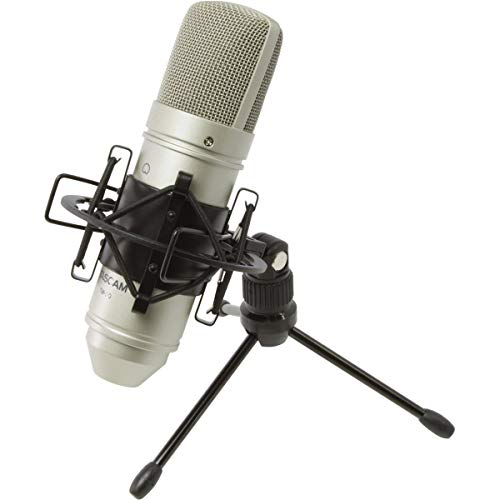
- Home-recording-focused XLR condenser
- Includes stand, cable, and shock mount
- 136 dB maximum SPL rating
Best For: Beginner vocal and acoustic-instrument recording
Quiet Studio Pick

- 4.5dBA self-noise
- Shock mount, pop filter, and XLR cable included
- Cardioid large-diaphragm design
Best For: Quiet vocal recording and streaming
Complete Budget Kit

- 16mm condenser capsule
- Boom arm and accessories included
- Requires 48V phantom power
Best For: Entry-level podcasting and streaming setups
Colorful Studio Classic
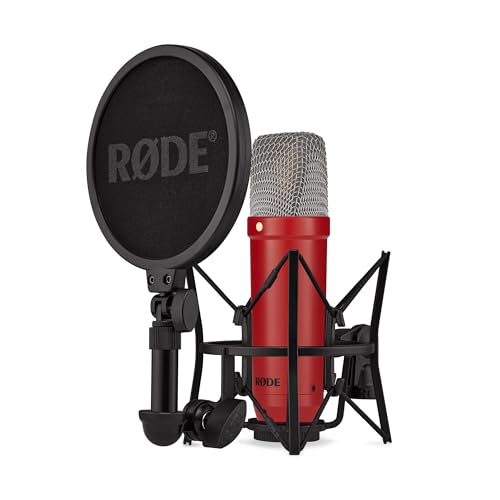
- 4dBA self-noise
- HF6 one-inch true condenser capsule
- Shock mount, pop filter, and XLR cable included
Best For: Studio vocals, music production, and podcasting
Best Hybrid Starter Kit

- XLR and USB connectivity
- 192kHz/24-bit USB recording
- Complete arm-stand accessory kit
Best For: New podcasters, streamers, and home creators needing flexible connectivity
Best Affordable Studio Pick

- Cardioid XLR condenser design
- Handles up to 150dB SPL
- Includes pad and bass-cut filter
Best For: Home recording of vocals, speech, and instruments
Best Premium Voice Focus

- 34mm gold-plated capsule
- Warm, clear voice presentation
- Includes pop filter and shock mount
Best For: Podcasting, streaming, and studio vocal recording
Best Value Standard – Audio-Technica AT2020
The Audio-Technica AT2020 is a dependable entry point into XLR condenser microphones for project studios, home recording, and basic voice work. Its cardioid pattern helps reduce sound from the sides and rear, while high SPL handling and a wide dynamic range make it flexible for vocals and instruments.
Best For: Home-studio users who want a proven, versatile cardioid condenser with XLR connectivity.
Pros:
- Cardioid pickup improves isolation of the intended source.
- High SPL handling and wide dynamic range support varied recording tasks.
- Includes a stand mount, thread adapter, and protective pouch.
Cons:
- Requires phantom power and an audio interface or compatible recording setup.
- Does not include a shock mount.
The AT2020 remains a practical choice when you want straightforward XLR connectivity, solid versatility, and a familiar studio-oriented design without unnecessary features.
Budget Studio Pick – Mackie EM-91C
The Mackie EM-91C offers an affordable way to add an XLR condenser microphone to a home or larger studio. Its large-diaphragm capsule and cardioid pattern are suited to studio vocals and instruments, and the included shock mount and XLR cable make the package convenient to set up.
Best For: Budget-conscious home-studio users seeking a complete basic microphone package.
Pros:
- Affordable professional-quality condenser design.
- Cardioid pattern helps reduce ambient sound.
- Includes a shock mount and XLR cable.
Cons:
- Its feature set is relatively simple compared with more adjustable models.
- Requires an audio mixer or other compatible XLR setup.
The EM-91C is a sensible starter option when price, included accessories, and a rugged construction matter more than advanced controls.
Most Adjustable – Audio-Technica AT2035
The Audio-Technica AT2035 is a more configurable choice among XLR condenser microphones, combining a large diaphragm with low-noise performance and useful signal-handling controls. Its switchable 80 Hz high-pass filter and 10 dB pad help tailor the microphone for vocals, streaming, instruments, and louder sources.
Best For: Home, project, and professional-studio users who need flexible recording controls.
Pros:
- Switchable 80 Hz high-pass filter helps manage low-frequency rumble.
- 10 dB pad supports high sound pressure levels.
- Includes a custom shock mount and protective pouch.
- Cardioid pickup and large diaphragm provide focused, natural sound.
Cons:
- Requires phantom power through a suitable XLR recording setup.
- May offer more control than needed for simple voice recording.
Choose the AT2035 if you expect to record different sources and want practical built-in controls for managing bass buildup and louder signals.
Complete Home Recording Kit – Tascam TM-80
The Tascam TM-80 is a practical XLR condenser microphone package for home recording, with accessories that help you get started quickly. Its 18 mm aluminum diaphragm and cardioid pickup suit vocals and acoustic instruments, while the included tabletop stand, XLR cable, and elastic shock mount add useful convenience.
Best For: Beginners recording vocals or acoustic instruments at a desk or compact home setup.
Pros:
- Designed and priced for home recording.
- Includes a tabletop stand, six-foot XLR cable, and elastic shock mount.
- 136 dB maximum SPL rating supports loud sources such as guitar amps and drums.
- Internal circuitry is designed to reduce noise and distortion.
Cons:
- Its tabletop-oriented accessories may be less suitable for larger studio rigs.
- Requires an audio interface or compatible XLR input.
The TM-80 stands out as an accessible all-in-one starting point for desk-based recording, especially when you need the essential accessories included.
Quiet Studio Pick – RØDE NT1 Signature Black
If you want a dependable option among xlr condenser microphones, the RØDE NT1 Signature Series offers a large-diaphragm cardioid design, exceptionally low 4.5dBA self-noise, and a ready-to-record accessory bundle. You will need an audio interface with phantom power.
Best For: Vocal recording, streaming, and home-studio users who want a quiet, established studio microphone.
Pros:
- Very low 4.5dBA self-noise helps keep recordings clean.
- Cardioid pattern focuses on the voice and rejects sound from the room.
- Includes an SM6 shock mount, pop filter, six-meter XLR cable, and dust cover.
- Backed by a 10-year warranty with registration.
Cons:
- Requires a separate audio interface for operation.
- Its XLR connection is less direct than a USB microphone setup.
The NT1 Signature Black is a strong choice when quiet operation and a complete vocal accessory package matter more than plug-and-play computer connectivity.
Complete Budget Kit – MAONO PM320S
The MAONO PM320S is a practical entry point into xlr condenser microphones, combining a 16mm condenser capsule with a boom arm, shock mount, pop filter, windscreen, and XLR cable. It requires stable 48V phantom power from an interface, mixer, or preamp.
Best For: Podcasting, streaming, voice-over work, and home creators who need a full starter setup.
Pros:
- All-in-one package includes a boom arm and essential mic accessories.
- Cardioid pattern helps reduce off-axis room noise.
- 20Hz–20kHz stated response supports vocals, podcasts, and general recording.
- Metal housing and adjustable boom arm suit regular desktop use.
Cons:
- Requires 48V phantom power.
- Its included boom arm may be less suitable for heavier or more elaborate studio setups.
- The supplied specifications list a 20Hz–18kHz frequency range in one detail field, so published response information is not fully consistent.
Choose the PM320S when value and included hardware are priorities. It is especially convenient for building a basic podcast or streaming station without sourcing each accessory separately.
Colorful Studio Classic – RØDE NT1 Signature Red
The red RØDE NT1 Signature combines a one-inch HF6 true condenser capsule with a cardioid pattern, high SPL handling, and exceptionally low 4dBA noise. It is a polished choice among xlr condenser microphones for users who want studio-focused performance and a distinctive finish.
Best For: Music production, vocal recording, streaming, and podcasting with an audio interface.
Pros:
- 4dBA self-noise is designed for quiet studio recording.
- HF6 capsule provides a smooth response and high SPL handling.
- Includes a studio-grade shock mount, pop filter, and premium XLR cable.
- Made with premium components and covered by a 10-year warranty with registration.
Cons:
- Requires a separate audio interface.
- The bright red finish may not suit every studio aesthetic.
The NT1 Signature Red offers the same practical studio-oriented feature set as a serious vocal microphone while adding a more visible color option. It is a good fit for creators who value low noise and included accessories.
Best Hybrid Starter Kit – MAONO A04 Gen2
The MAONO A04 Gen2 is a practical choice among xlr condenser microphones for creators who want both traditional interface connectivity and simple USB recording. Its cardioid 16mm condenser capsule, included accessories, and USB-only software controls make it well suited to home recording, podcasting, voiceover, and streaming.
Best For: New podcasters, streamers, and home creators who want an all-in-one setup with XLR and USB flexibility.
Pros:
- Offers both XLR and USB connections for use with interfaces, mixers, computers, and compatible mobile devices.
- Supports up to 192kHz/24-bit recording over USB with a 30Hz–16kHz frequency response.
- Includes an arm stand, shock mount, pop filter, and foam windscreen.
- MAONO Link adds USB-mode noise reduction, EQ presets, compressor, limiter, and gain controls.
Cons:
- XLR cable is not included.
- Software controls and noise reduction features work only in USB mode.
- XLR use with Windows, iOS, tablets, or phones requires phantom power.
The A04 Gen2 stands out for convenience rather than a strictly studio-focused feature set. Its included mounting hardware lowers the setup cost, while dual connectivity lets you start with USB and move to an interface later.
Best Affordable Studio Pick – AKG Pro Audio P120
The AKG P120 is a straightforward XLR condenser microphone for vocals, speech, and instruments in home or project studios. Its cardioid pattern, low-mass diaphragm, high SPL handling, and familiar interface compatibility make it a focused microphone choice when you already have phantom-powered recording equipment.
Best For: Home recordists and musicians seeking an affordable, durable microphone for vocals, speech, and instruments.
Pros:
- Cardioid pickup helps focus on the source in front of the microphone.
- 20Hz–20kHz frequency response supports vocals, speech, and instrument recording.
- Handles sound pressure levels up to 150dB for loud sources.
- Includes a stand adapter and a -20dB preattenuation pad plus bass-cut filter.
Cons:
- It has XLR connectivity only, so an audio interface or mixer with phantom power is required.
- The package includes the microphone and stand adapter rather than a broader accessory kit.
- Its listed equivalent noise level is 19dB-A.
The P120 is a sensible option for buyers who prefer a dependable, no-frills studio microphone. It keeps the package focused on the core mic while adding useful controls for loud sources and low-frequency reduction.
Best Premium Voice Focus – 512 Audio Skylight
The 512 Audio by Warm Audio Skylight is a large-diaphragm XLR condenser microphone designed to give spoken-word and vocal recordings a warm, polished presentation. Its 34mm gold-plated capsule, cardioid pattern, and included metal pop filter and shock mount make it especially attractive for dedicated podcasting, streaming, and studio vocal setups.
Best For: Podcasters, singers, and streamers who want a substantial large-diaphragm microphone with useful recording accessories.
Pros:
- 34mm gold-plated large-diaphragm capsule is tuned for warmth and clarity.
- Cardioid pickup emphasizes the speaker or singer while reducing ambient room sound.
- Includes a custom metal mesh pop filter, low-profile shock mount, and carry bag.
- Handles up to 144dB SPL and covers a 20Hz–20kHz frequency range.
Cons:
- XLR connection requires a compatible USB interface or mixer.
- At 2.2 pounds, it is heavier than a basic microphone and needs a suitably stable stand or arm.
- The package is centered on the microphone and accessories rather than USB connectivity.
The Skylight is the most voice-oriented option here, combining a large capsule with practical vibration and plosive control. Choose it when vocal character and a more complete XLR studio setup matter more than plug-and-play USB recording.
How We Picked the Best Xlr Condenser Microphones
We compared these microphones according to the factors that matter most in real recording setups: sound clarity, sensitivity, polar pattern, build quality, connectivity, included accessories, and overall value. We also considered how well each model suits common uses such as vocal recording, podcasting, streaming, voiceover, and instruments.
Because condenser microphones capture more detail than many dynamic alternatives, room acoustics and supporting equipment matter. We favored options that offer a practical balance of performance and usability, from straightforward studio microphones to kits that include a boom arm, shock mount, pop filter, or cable.
Quick Comparison
- Best all-around starting point: Audio-Technica AT2020
- Best for studio and podcast versatility: Audio-Technica AT2035
- Best premium value: RØDE NT1 Signature Series
- Best budget studio option: Mackie EM-91C or AKG P120
- Best complete PC recording kit: MAONO PM320S or MAONO A04 Gen2
- Best accessory-rich studio package: 512 Audio by Warm Audio Skylight
Key Buying Factors for Xlr Condenser Microphones
Connection and Phantom Power
XLR microphones require an audio interface, mixer, recorder, or compatible preamp. Most also need 48V phantom power. Confirm that your equipment provides phantom power and has an available XLR input before buying. An XLR-to-USB cable alone may not deliver the same control or quality as a proper interface.
Polar Pattern and Room Conditions
Cardioid microphones focus on sound from the front and reduce pickup from the rear, making them the standard choice for one-person vocals, podcasts, and home studios. However, they still capture room reflections. A quiet, treated room will usually produce better results than simply upgrading to a more expensive microphone.
Sound, Sensitivity, and Headroom
Large-diaphragm condensers are valued for detailed high frequencies and a full vocal presentation. If you record loud sources, check for a pad switch or suitable maximum sound-pressure level. A high-pass filter can also help reduce rumble and unwanted low-frequency noise.
Accessories and Setup
Shock mounts, pop filters, boom arms, cables, and storage cases can substantially affect the total cost. Kits are convenient for beginners, while standalone microphones may be a better choice if you already own reliable accessories. Always position the microphone consistently and use a pop filter for close vocal recording.
Who Should Buy Which Xlr Condenser Microphones?
Beginners and home-studio users should consider the AT2020, Mackie EM-91C, AKG P120, or Tascam TM-80 for an accessible entry into XLR recording. Podcasters and streamers may prefer the AT2035 or a MAONO kit, particularly when included mounting accessories simplify setup.
Vocalists and serious studio users should look at the RØDE NT1 Signature Series for a refined, detailed recording option. Buyers seeking a more complete package can choose the 512 Audio Skylight or a MAONO bundle. Before ordering, match the microphone to your room, interface, and primary source rather than choosing based on price alone.