Choosing among audio equalizers for recording vocals can be difficult when product listings emphasize band counts, displays, and rack-mount features instead of practical recording performance. The right EQ should give you precise tonal control without adding unwanted noise or slowing down your workflow.
This roundup compares 10 dual-channel, graphic, and digital equalizers suited to home studios, live setups, DJ systems, and vocal signal chains. Use the guide below to narrow your choice based on control, connectivity, installation, and the kind of vocal shaping you actually need.
Best 10 Audio Equalizers for Recording Vocals Picks for 2026
Reliable Analog Control

- Dual 31-band constant-Q filters
- Selectable ±6/±12 dB ranges
- TRS and XLR I/O with LED metering
Best For: Hands-on studio and live vocal shaping
Feature-Rich Digital Flexibility
Stereo 31-Band Audio Equalizer

- 31-band tuning from 32 Hz to 16 kHz
- LED spectrum display and preset auto-save
- Bluetooth, USB, RCA, optical, coaxial, and XLR
Best For: Flexible digital vocal and studio systems
Subwoofer-Ready Practicality
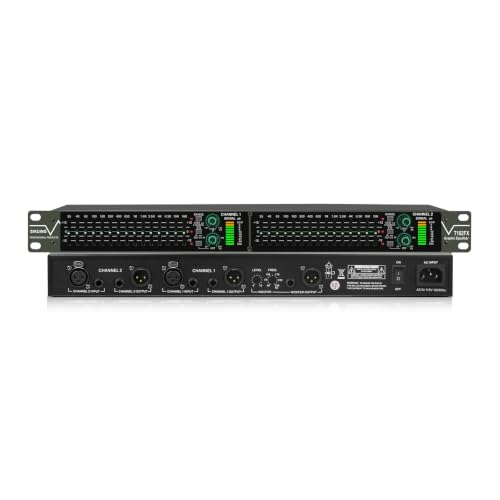
- Dual 15-band control from 25 Hz to 16 kHz
- Adjustable low-cut filter and EQ bypass
- Dedicated 50–250 Hz subwoofer output
Best For: Rack systems needing vocal and bass control
Detailed Stereo Shaping
EQ-231 31-Band Graphic Equalizer

- Dual 31-band stereo graphic EQ
- Selectable ±6 dB to ±12 dB adjustment
- Low-cut, bypass, and XLR/TRS connectivity
Best For: Hands-on studio, live, and installation use
Most Flexible
31-Band Bluetooth Graphic Equalizer

- 31-band control with real-time spectrum monitoring
- Noise and echo reduction for vocal-focused adjustments
- USB, Bluetooth, optical, and coaxial connectivity
Best For: Vocalists and studios needing detailed EQ with versatile connections
Best Rack-Mount Value
15-Band Dual-Channel Stereo EQ

- Dual 15-band channels with ±12 dB adjustment
- Low-cut switch helps reduce rumble and hum
- XLR and 1/4-inch TRS connectivity
Best For: Rack-mounted studio and live vocal signal chains
Best Visual Feedback
31-Band Digital Rack Equalizer

- 31-segment LED spectrum display for real-time monitoring
- Ten presets, bypass, and high/mid/bass adjustment
- Bluetooth 5.2, USB, XLR, and TRS connectivity
Best For: Studios wanting visual EQ feedback and flexible source options
Precision Rack Control
15-Band Stereo Graphic Equalizer

- Dual 15-band controls for detailed channel shaping
- Adjustable low-cut filter for unwanted low-end noise
- XLR/TRS connectivity with subwoofer output
Best For: Hands-on vocal and live-audio EQ in a rack system
Visual Frequency Shaping
31-Band EQ with Spectrum Display

- 31-band DSP offers detailed vocal frequency control
- Real-time four-color LED spectrum display
- 10 presets plus noise reduction and bypass
Best For: Users who want visual feedback and flexible EQ presets
PC-Tuned Vocal Processing
Digital 31-Band Dual-Channel EQ

- 31-band dual-channel digital EQ with PC tuning
- Vocal and speech presets plus instant EQ bypass
- Seven-band noise suppression from -3dB to -9dB
Best For: Computer-assisted vocal recording and broadcast setups
Reliable Analog Control – dbx 231s 31-Band Equalizer
For anyone comparing audio equalizers for recording vocals, the dbx 231s offers straightforward analog control with dual 31-band, 1/3-octave constant-Q filters. Its bypass switch, selectable boost/cut ranges, and balanced connectivity make it practical for shaping vocal tone in studio or live signal chains.
Best For: Recording studios and live setups that want detailed, hands-on vocal EQ control.
Pros:
- Dual 31-band EQ provides detailed frequency shaping.
- Selectable ±6 dB or ±12 dB boost/cut ranges support subtle or broader adjustments.
- ¼-inch TRS and XLR inputs and outputs support balanced audio connections.
- Four-segment LED ladders help monitor output levels.
Cons:
- Analog controls require manual adjustment and do not offer digital preset storage.
- The rack-style unit may be more equipment than a simple vocal setup needs.
The dbx 231s is a focused choice when you value tactile control, clear metering, and flexible rack connectivity over digital convenience.
Feature-Rich Digital Flexibility – Stereo 31-Band Audio Equalizer
This digital equalizer is a versatile option among audio equalizers for recording vocals, combining 31-band adjustment from 32 Hz to 16 kHz with ±12 dB control per band. Bluetooth, optical, coaxial, USB, RCA, and XLR connectivity make it adaptable to recording, playback, and broader entertainment systems.
Best For: Users who want digital connectivity, visual spectrum feedback, and saved EQ settings for vocals and mixed audio systems.
Pros:
- 31-band real-time tuning provides detailed control across the stated frequency range.
- Dynamic LED spectrum display offers visual feedback during operation.
- Preset auto-save functions help store and recall custom EQ settings.
- Wide connectivity includes Bluetooth 5.4, optical, coaxial, USB, RCA, and XLR.
Cons:
- Its broad home theater and playback feature set may be unnecessary for a dedicated vocal chain.
- The listed warranty description is “Not,” so warranty coverage is unclear.
- At 8.8 pounds, it is less lightweight than some compact processors.
Choose this model if your vocal setup benefits from digital sources, multiple connection options, and a visual display rather than strictly analog operation.
Subwoofer-Ready Practicality – 15-Band Stereo EQ
For vocal setups that also need low-end management, this 15-band stereo equalizer provides independent dual-channel control from 25 Hz to 16 kHz. Its low-cut filter, bypass control, signal metering, and dedicated adjustable subwoofer output make it useful for studio, home audio, and live applications.
Best For: Rack-based systems that need vocal EQ, low-frequency cleanup, and separate subwoofer control.
Pros:
- Independent 15-band stereo EQ covers 25 Hz to 16 kHz.
- Adjustable low-cut filter helps reduce muddy hum and low-end noise.
- Dedicated subwoofer output is adjustable from 50 Hz to 250 Hz.
- Full-metal 1U chassis includes rack-mounting brackets.
Cons:
- Fifteen bands offer less detailed frequency control than a 31-band equalizer.
- The analog unit does not list digital connectivity or preset storage.
This is a sensible pick when vocal clarity is only part of the job and your system also requires dedicated bass routing and compact rack installation.
Detailed Stereo Shaping – EQ-231 31-Band Graphic Equalizer
The EQ-231 is a practical candidate among audio equalizers for recording vocals when you want extensive manual shaping across two channels. Each channel provides 31 adjustable bands with up to ±12 dB control, while the low-cut switch and bypass function support cleanup and quick comparisons.
Best For: Studios, live applications, and audio installations needing dual-channel graphic EQ with low-frequency filtering.
Pros:
- Dual 31-band design supports detailed stereo frequency adjustment.
- Selectable ±6 dB to ±12 dB ranges provide flexible gain control.
- Low-cut switch helps attenuate wind noise, rumble, and electrical hum.
- XLR and ¼-inch TRS input and output options improve setup flexibility.
Cons:
- The supplied notes do not specify the unit’s frequency range.
- It relies on manual graphic-EQ adjustment rather than digital presets.
With broad dual-channel control, low-cut filtering, and useful visual monitoring, the EQ-231 fits vocal chains that prioritize hands-on processing and versatile installation.
Most Flexible – 31-Band Bluetooth Graphic Equalizer
For anyone comparing audio equalizers for recording vocals, this 31-band graphic model offers detailed control across bass, mids, and treble. Its real-time spectrum display, customizable modes, noise and echo reduction, and auto-save presets make it useful for shaping vocal clarity in a studio or broader audio setup.
Best For: Vocalists, podcasters, and recording setups that need detailed EQ control plus flexible connectivity.
Pros:
- 31 adjustable bands with real-time frequency monitoring.
- Noise and echo reduction can help refine vocal-focused audio.
- Supports optical, coaxial, USB, and Bluetooth connectivity, according to the listing.
- Auto-save presets and 12 customizable modes simplify repeated adjustments.
Cons:
- The extensive controls may be more than casual users need.
- The supplied notes do not specify dedicated microphone inputs or vocal-specific effects.
This is the most versatile option of the three for users who want fine-grained tone shaping and integration with multiple devices. Confirm that your existing microphone, interface, or mixer connections match its listed inputs and outputs before buying.
Best Rack-Mount Value – 15-Band Dual-Channel Stereo EQ
This 15-band dual-channel equalizer is a practical choice among audio equalizers for recording vocals when you want straightforward rack-based control. Each channel provides adjustable gain, while the low-cut switch can reduce rumble, wind noise, and electrical hum that may interfere with clean vocal output.
Best For: Studio racks, live vocal systems, and users who prefer balanced connections with simple hands-on controls.
Pros:
- Dual-channel design provides separate control for stereo signal paths.
- 15 bands per channel with up to ±12 dB adjustment.
- Low-cut switch targets low-frequency rumble, wind noise, and hum.
- Includes XLR balanced and 1/4-inch TRS unbalanced inputs and outputs.
Cons:
- Offers fewer bands than the two 31-band alternatives.
- It does not list Bluetooth, USB playback, or a spectrum analyzer.
- Its 1U rack-mount format is less convenient for portable setups.
Choose this model if dependable analog-style rack integration matters more than wireless features or visual spectrum monitoring. Its low-cut function is particularly useful for cleaning up vocal chains affected by unwanted low-end noise.
Best Visual Feedback – 31-Band Digital Rack Equalizer
For vocal recording setups where visual feedback is helpful, this digital rack equalizer combines 31-band adjustment with a real-time LED spectrum display. It also includes preset storage, EQ bypass, intelligent noise reduction, Bluetooth 5.2, and USB playback, giving you several ways to monitor and manage your signal.
Best For: Home studios, KTV systems, and DJs who want detailed EQ control with an illuminated frequency display.
Pros:
- 31-segment LED spectrum indication shows frequency changes in real time.
- Ten preset modes, independent high/mid/bass adjustment, and EQ bypass support quick testing.
- Bluetooth 5.2 and USB playback add convenient source options.
- Offers XLR and 1/4-inch TRS connections plus an adjustable bass output.
Cons:
- The display and multiple functions may add complexity for first-time users.
- The supplied notes do not identify a dedicated microphone input or vocal-processing mode.
- Its rack-mount design requires suitable installation space.
This model stands out when you want to see frequency activity while adjusting a vocal signal. It is a strong fit for users who value presets and connectivity, provided the rest of the recording chain supplies the appropriate microphone or interface inputs.
Precision Rack Control – 15-Band Stereo Graphic Equalizer
For shoppers comparing audio equalizers for recording vocals, the EQX-215S offers hands-on dual-channel control in a 1U rack-mount design. Its 15 bands per channel, low-cut control, and balanced XLR connectivity make it suited to shaping vocal and other audio signals within a larger setup.
Best For: Users who want straightforward, physical EQ controls for studio, live, or installed audio systems.
Pros:
- Provides independent 15-band control on each stereo channel.
- Low-cut frequency adjustment helps reduce unwanted low-end noise.
- Includes XLR balanced and 1/4-inch TRS connections, plus a bypass switch.
- Rack-mount form factor and dedicated adjustable-frequency subwoofer output add installation flexibility.
Cons:
- Offers fewer frequency bands than the 31-band models in this roundup.
- Its physical rack-mount format may be less convenient for users seeking PC-based tuning.
The EQX-215S is a practical choice when you prefer direct, tactile adjustments rather than software control. It is especially appealing for vocal chains and live racks where low-cut filtering, channel-by-channel shaping, and reliable analog connectivity matter.
Visual Frequency Shaping – 31-Band EQ with Spectrum Display
Among audio equalizers for recording vocals, this 31-band digital EQ stands out for its visual feedback and preset-based workflow. The real-time spectrum display can make frequency changes easier to monitor, while XLR and TRS I/O support integration with studio, stage, DJ, and home audio systems.
Best For: Vocalists, recording setups, and audio users who want many adjustment bands with visible frequency monitoring.
Pros:
- 31-band DSP equalization provides more detailed frequency shaping than a 15-band design.
- Four-color LED spectrum display shows frequency changes in real time.
- Stores up to 10 custom presets for quick access to different sound profiles.
- Includes noise reduction, bypass switching, Bluetooth 5.2, USB playback, and adjustable subwoofer output.
Cons:
- Its broader feature set may be more than needed for a simple vocal-only signal chain.
- Bluetooth and USB playback are less essential if your setup is focused exclusively on microphone recording.
This model is a strong fit when visual control and flexible playback options are priorities. The 31-band layout supports precise vocal shaping, while presets and bypass make it easier to compare settings during setup or performance.
PC-Tuned Vocal Processing – Digital 31-Band Dual-Channel EQ
For audio equalizers for recording vocals with computer-based control, this digital 31-band dual-channel unit combines PC tuning with front-panel operation. It includes vocal and speech presets, EQ bypass for A/B comparison, and a seven-band noise suppression system for refining the output.
Best For: Recording and broadcast users who want detailed digital EQ control, PC tuning, and vocal-focused presets.
Pros:
- Offers 31 adjustable bands with independent treble, midrange, and bass control.
- PC software tuning supports a more precise, computer-assisted workflow.
- Includes 10 presets for scenarios such as music, vocals, and speech.
- Seven-band noise suppression and adjustable reduction from -3dB to -9dB help address background noise.
Cons:
- PC tuning may add setup complexity compared with a fully hands-on graphic EQ.
- The unit is larger and heavier than a compact, non-rack vocal processor.
This EQ is the most directly aligned with a digital vocal-recording workflow in the group. Its PC control, vocal presets, bypass comparison, and dedicated noise suppression provide useful tools for iterative recording and monitoring.
How We Picked These Audio Equalizers for Recording Vocals
We selected models across common formats, including 15-band and 31-band graphic equalizers, digital units with spectrum displays, and rack-mount designs with subwoofer or PC-tuning features. We prioritized practical vocal-recording considerations: channel control, adjustment precision, noise-reduction claims, visibility in low-light environments, connectivity, and suitability for studio, live, or home-audio use.
Because specifications and included features vary by seller and configuration, verify the current listing for input and output types, voltage, rack dimensions, warranty coverage, and whether cables or mounting hardware are included.
Quick Comparison
| Type | Best suited to | Main advantage | Potential limitation |
|---|---|---|---|
| 15-band graphic EQ | Basic home studios and live rigs | Straightforward, fast adjustments | Less precise frequency shaping |
| 31-band graphic EQ | Detailed vocal and system tuning | More control across the spectrum | Requires more careful setup |
| Digital EQ with display | Users who want visual feedback | Clear monitoring and repeatable adjustments | More controls and electronics to manage |
| Rack-mount dual-channel EQ | Installed studios and live systems | Secure, organized integration | May need a rack or additional space |
Key Buying Factors for Audio Equalizers for Recording Vocals
Band Count and Adjustment Range
A 15-band unit can be sufficient for broad tonal correction, such as reducing muddiness or adding presence. A 31-band model offers finer control when dealing with room resonance, microphone coloration, feedback, or layered vocal arrangements. More bands are useful only if you are comfortable making narrow, conservative adjustments.
Dual-Channel Operation
Dual-channel EQ lets you process two mono signals or a stereo path independently. For vocals, this can be useful with two microphones, separate performers, or a vocal bus and monitor path. Confirm that the channels and outputs match your intended signal flow.
Noise, Headroom, and Gain Staging
Noise-reduction features can be helpful, but they do not replace proper gain staging, a quiet microphone, or a clean preamp. Look for clearly stated input and output specifications, bypass controls, and enough headroom for your interface or mixer. Avoid boosting many bands at once, which can increase noise and overload downstream equipment.
Workflow and Connectivity
LED displays, spectrum analyzers, independent tuning, Bluetooth, PC control, and subwoofer outputs may be valuable in particular setups, but they are not essential to every vocal chain. Prioritize the connections you already use and check whether the unit sits before or after your interface, mixer, or preamp as intended.
Who Should Buy Which Audio Equalizers for Recording Vocals?
Choose a 15-band EQ if you want simple, hands-on shaping for a home studio, rehearsal space, or live vocal system. Choose a 31-band model if you need more precise room correction or detailed vocal cleanup. A digital model with a spectrum display suits users who prefer visual feedback and repeatable settings, while a traditional graphic EQ is often the simpler choice for immediate adjustments.
For permanent installations or rack-based studios, prioritize a dual-channel rack-mount design with clearly labeled controls and suitable outputs. If you record vocals mainly inside a DAW, compare the cost and convenience against software EQ before buying hardware; external EQ is most useful when you need tactile control, hardware routing, or processing before conversion.