Music projects quickly consume storage, especially when sample libraries, multitrack sessions, plugin installers, and exported mixes are all kept on one computer. The right external drive gives you more working space and a practical way to protect important recordings.
These 10 external hard drives for music production cover portable everyday storage, large project archives, and backup-focused use. Compare capacity, connectivity, durability, and software features before choosing the best fit for your studio.
Best 10 External Hard Drives for Music Production Picks for 2026
Rugged Pick

- 4TB portable capacity
- USB-C connectivity
- Resists drops, dust, shocks, and rain
Best For: Mobile producers needing durable project storage
Simple Budget Pick
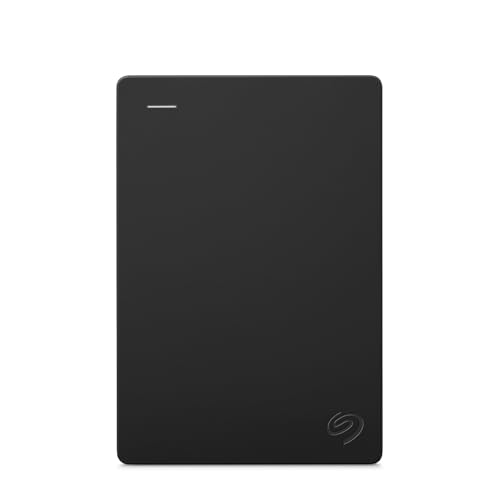
- Portable 2TB storage
- Plug-and-play USB 3.0 setup
- Compatible with Mac and Windows
Best For: Home studios and everyday project backups
Maximum Capacity Pick
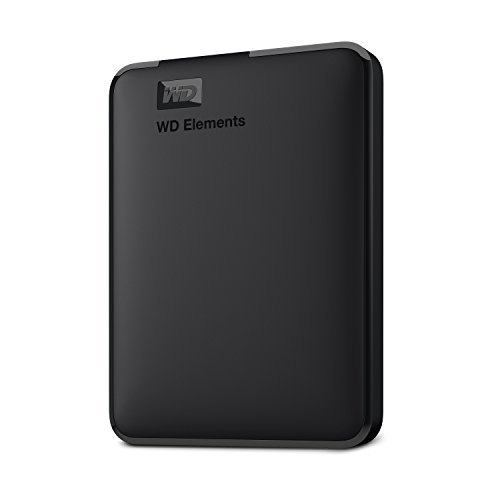
- Generous 6TB capacity
- USB 3.2 Gen 1 interface
- Portable plug-and-play design
Best For: Large sample libraries and music archives
Compact Everyday Pick

- Portable 2TB storage
- USB 3.0 and USB 2.0 support
- No external power cord required
Best For: Simple supplemental storage, especially on Windows
High-Capacity Workhorse
- 5TB capacity for large music libraries and archives
- Plug-and-play USB 3.2 Gen 1 connectivity
- Portable design for Mac and PC users
Best For: Producers needing substantial portable storage
Compact Budget Pick

- Slim 0.4-inch aluminum enclosure
- USB 3.0 with plug-and-play setup
- Three-year warranty and technical support
Best For: Portable project storage and routine backups
Portable Library Favorite
- 4TB capacity for libraries and session archives
- Small, lightweight 2.5-inch enclosure
- Plug-and-play Mac and PC compatibility
Best For: Balanced portable music storage and backups
Best Portable Backup Pick

- 2TB capacity for projects and music libraries
- Backup software with ransomware defense
- Password protection and hardware encryption
Best For: Portable music-project storage and secure backups
Best Lightweight Budget Option
YOTUO 500GB External Hard Drive

- Compact 500GB portable storage
- USB 3.0 and USB-C connectivity
- Silicone sleeve helps absorb bumps
Best For: Small project libraries and cross-device file transfers
Best High-Capacity Archive Pick
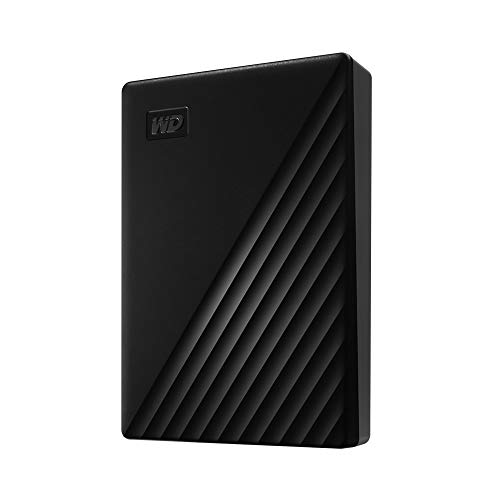
- 4TB capacity for large libraries and sessions
- Backup software with ransomware defense
- Password protection and hardware encryption
Best For: Large music archives, sample libraries, and backups
Rugged Pick – LaCie Rugged USB-C 4TB
For external hard drives for music production, the LaCie Rugged USB-C combines generous 4TB capacity with portable protection. Its USB-C connection, Mac and PC compatibility, and resistance to drops, shocks, dust, and rain make it practical for mobile studios and backup duties.
Best For: Producers who transport large music libraries, sessions, and backups between locations.
Pros:
- 4TB capacity for projects, media, and backups
- USB-C connectivity with up to 5Gbps data transfer
- Drop-, shock-, dust-, and rain-resistant design
- Compatible with Mac, PC, and Windows systems
Cons:
- Mechanical 5400 rpm drive rather than an SSD
- USB-C interface is listed with USB 3.0 performance
The LaCie is a strong choice when portability and physical protection matter as much as capacity. Its 130MB/s listed read speed is suited to general storage, backups, and project transport.
Simple Budget Pick – Seagate Portable 2TB
The Seagate Portable 2TB keeps external hard drives for music production straightforward and affordable. It offers USB 3.0 plug-and-play setup, automatic recognition, and compatibility with Windows and Mac computers for storing sessions, samples, and backups.
Best For: Home producers who want an uncomplicated portable drive for everyday storage.
Pros:
- Portable 2TB capacity
- Plug-and-play setup with no software required
- USB 3.0 cable included
- Works with Windows and Mac computers
Cons:
- Less capacity than the 4TB and 6TB alternatives
- No listed protection against drops, dust, or rain
- Mechanical drive with a listed 120MB/s read speed
With drag-and-drop backups and automatic recognition, this Seagate is a practical entry-level option. Its 2TB capacity is best suited to moderate libraries and active projects rather than extensive archives.
Maximum Capacity Pick – WD Elements Portable 6TB
The WD Elements Portable provides one of the largest capacities in this lineup for external hard drives for music production. Its 6TB of storage, USB 3.2 Gen 1 connection, and plug-and-play expandability suit producers managing extensive sample collections, multitrack sessions, and media archives.
Best For: Producers who prioritize maximum portable capacity for large music libraries and archives.
Pros:
- Large 6TB capacity
- USB 3.2 Gen 1 connectivity with 5Gbps support
- Portable 2.5-inch form factor
- Plug-and-play expandability
Cons:
- Mechanical hard drive rather than an SSD
- Listed read-speed information is inconsistent across the supplied specifications
- Designed primarily for Windows, with compatibility details requiring attention for other systems
The WD Elements is compelling when capacity outweighs the need for a rugged enclosure or solid-state performance. It offers room to consolidate projects and media on one portable drive.
Compact Everyday Pick – Toshiba Canvio Basics 2TB
Toshiba Canvio Basics 2TB Portable External Hard Drive USB 3.0, Black - HDTB520XK3AA
Check Price On AmazonThe Toshiba Canvio Basics is a compact, no-frills option among external hard drives for music production. It adds 2TB over USB 3.0 without an external power cord, while its matte, smudge-resistant finish suits everyday desktop or laptop use.
Best For: Producers seeking simple supplemental storage for a Windows-based setup.
Pros:
- Portable 2TB capacity
- USB 3.0 and USB 2.0 compatible
- Plug-and-play operation with no software installation
- Does not require an external AC power cord
Cons:
- Preformatted NTFS for Windows; Mac users must reformat it
- Mechanical 5400 rpm drive
- No listed drop, shock, dust, or rain resistance
The Canvio Basics is a sensible choice for adding storage to a computer with minimal setup. Mac users should account for reformatting, and the 2TB capacity is better for active projects and routine backups than large archives.
High-Capacity Workhorse – WD Elements 5TB Portable
For music producers building sizable sample libraries, project archives, and backup collections, the WD Elements 5TB is a practical choice among external hard drives for music production. Its portable 2.5-inch design, plug-and-play setup, and USB 3.2 Gen 1 connectivity make it convenient for expanding storage on compatible PCs and Macs.
Best For: Producers who need a large, portable drive for music files, project storage, and backups.
Pros:
- Generous 5TB capacity for libraries, sessions, and archives
- Plug-and-play operation with a included SuperSpeed USB-A cable
- Compatible with both Mac and PC platforms
- Compact 2.5-inch portable form factor
Cons:
- Mechanical hard-drive design may be less responsive than an SSD
- Uses USB-A connectivity, which may require an adapter with some newer computers
- Includes a two-year limited warranty
The WD Elements 5TB prioritizes capacity and straightforward operation over premium performance features. It is well suited to keeping large music libraries and completed sessions accessible without taking up much desk or bag space.
Compact Budget Pick – Maxone 1TB Ultra Slim
The Maxone 1TB Ultra Slim is a compact option for producers who want simple supplemental storage without carrying a bulky enclosure. Among external hard drives for music production, its USB 3.0 interface, bus-powered setup, and slim aluminum body make it convenient for moving projects and storing smaller libraries.
Best For: Mobile producers and beginners who need an affordable drive for project files, backups, and everyday storage.
Pros:
- Very slim 0.4-inch aluminum design
- USB 3.0 supports transfer rates up to 5 Gbit/s and remains compatible with USB 2.0
- Plug-and-play operation requires no external power supply or software installation
- Includes a three-year manufacturer warranty and technical support
Cons:
- 1TB capacity is more limited for large sample collections
- Listed compatibility is focused on Windows PCs and laptops
- Mechanical 5400 rpm hard drive may not match SSD responsiveness
This Maxone model is best viewed as a lightweight project and backup drive rather than a high-capacity studio archive. Its small footprint and included cable make it particularly practical for portable workflows.
Portable Library Favorite – WD Elements 4TB Portable
The WD Elements 4TB combines substantial capacity with a small, lightweight enclosure, making it a useful middle ground for music producers. It offers plug-and-play expandability and SuperSpeed USB 3.2 Gen 1 connectivity for storing music libraries, recordings, project files, and documents on Mac or PC.
Best For: Producers seeking a balanced portable drive for music libraries, session storage, and backups.
Pros:
- 4TB capacity provides room for music, videos, projects, and archives
- Small, lightweight 2.5-inch design is easy to carry
- Plug-and-play setup simplifies adding storage
- Compatible with Mac and PC platforms
Cons:
- Mechanical hard-drive design is not an SSD alternative
- USB-A cable may need an adapter for some modern computers
- Covered by a two-year limited warranty
With more capacity than a basic portable drive but less bulk than a desktop unit, the WD Elements 4TB is a versatile choice for producers managing active sessions and growing libraries. It offers practical storage expansion without a complicated setup.
Best Portable Backup Pick – WD 2TB My Passport
For music producers who want dependable portable storage, the WD My Passport 2TB is a practical choice among external hard drives for music production. Its compact 2.5-inch design provides room for project files, sample libraries, music, and backups, while USB connectivity supports compatible computers and tablets.
Best For: Producers who need portable 2TB storage with built-in backup, password protection, and hardware encryption.
Pros:
- 2TB capacity suits project files, music libraries, and general backups.
- Portable 4.23-ounce design is easy to carry between studio and mobile setups.
- Includes backup and device-management software with ransomware defense.
- Password protection and hardware encryption help secure important files.
Cons:
- Mechanical hard-drive design may be less responsive than an SSD for intensive production workflows.
- Uses a USB-A cable, so some newer devices may require an adapter.
The My Passport balances capacity, portability, and security at a practical level. It is well suited to storing and backing up music projects, though producers seeking the fastest possible session performance may prefer solid-state storage.
Best Lightweight Budget Option – YOTUO 500GB External Hard Drive
The YOTUO 500GB drive is a compact, lower-capacity option for music producers who need a simple way to move projects and media between compatible devices. Its USB 3.0 interface supports transfers up to 5Gbps, and the included USB-C compatibility can help with newer computers and mobile devices.
Best For: Beginners and mobile users who need lightweight secondary storage for smaller project libraries and file transfers.
Pros:
- Compact 500GB capacity works for smaller music projects and everyday storage.
- USB 3.0 supports transfers up to 5Gbps.
- USB 3.0 and USB-C connectivity broadens device compatibility.
- Built-in silicone sleeve helps cushion the drive against bumps and falls.
Cons:
- 500GB provides less room for large sample libraries and extensive archives.
- Its listed one-year warranty is shorter than the three-year coverage on the WD models.
- Music-production performance may be limited compared with an SSD.
YOTUO is best viewed as a portable transfer and backup drive rather than a high-capacity studio archive. Its small size, protective sleeve, and USB-C support make it convenient for producers working across several devices.
Best High-Capacity Archive Pick – WD 4TB My Passport
The WD My Passport 4TB gives music producers substantial portable capacity for multitrack sessions, sample collections, exports, and backups. Its slim 2.5-inch mechanical design connects through USB and includes backup software, password protection, and hardware encryption for a more organized storage setup.
Best For: Producers with large music libraries who prioritize capacity, portability, and backup features.
Pros:
- 4TB capacity provides room for extensive projects, samples, and multimedia files.
- Portable 7.41-ounce form factor fits mobile studio and backup workflows.
- Included software supports device management and backup with ransomware defense.
- Password protection and hardware encryption add file-security features.
Cons:
- Mechanical storage may not deliver the responsiveness of an SSD for active sessions.
- USB-A connectivity may require an adapter with some modern computers.
For producers building a sizeable archive, the 4TB My Passport offers considerably more headroom than smaller portable drives. It is a strong backup and library-storage solution, while an SSD may remain preferable for demanding real-time production tasks.
How We Picked the Best External Hard Drives for Music Production
We focused on portable HDDs from established and widely available product lines, comparing useful capacity, USB connectivity, portability, durability, compatibility, and backup features. Because these are traditional hard disk drives rather than SSDs, they generally offer more storage per dollar but lower performance and greater sensitivity to movement. They are well suited to project storage, sample libraries, archives, and backups, provided active sessions are handled with realistic expectations.
We also considered the different needs of home producers, mobile musicians, and creators who want a simple backup destination. Listed capacities are nominal, so usable space will be lower after formatting and file-system overhead.
Quick Comparison
| Best For | Recommended Type | Why It Makes Sense |
|---|---|---|
| Portable sample and project storage | 2TB–4TB portable HDD | Balances capacity, price, and easy transport |
| Large sample libraries and archives | 5TB–6TB portable HDD | Provides more room without carrying multiple drives |
| Travel and live environments | Rugged portable HDD | Offers added protection from drops, dust, and rain |
| Organized backup workflows | My Passport-style drive | Adds backup software and password-protection features |
| Minimal storage expansion | 500GB–1TB portable HDD | Compact and affordable for smaller libraries or transfers |
Key Buying Factors for External Hard Drives for Music Production
Capacity
Choose based on your current library plus future growth. A 2TB drive is a practical starting point for sessions and moderate sample collections, while 4TB or more is preferable for orchestral libraries, sound-design projects, video files, and long-term archives. Keep free space available rather than filling a drive completely.
Speed and Connection
USB 3.0 and USB 3.2 Gen 1 drives provide substantially better transfer performance than older USB standards, but an HDD still has mechanical limits. They work well for storing and backing up projects; for demanding multitrack recording or large virtual-instrument libraries, an SSD is usually a better primary working drive. Check whether your computer needs USB-A, USB-C, or an adapter.
Durability and Portability
If the drive will travel between studios, prioritize a compact enclosure and added resistance to shock, dust, or rain. Always eject the drive properly, keep it protected in transit, and avoid moving a spinning HDD while it is active.
Backup and Security
Storage is not the same as backup. Keep at least one additional copy of irreplaceable sessions, preferably in another location or through a cloud service. Drives with included backup software or password protection can simplify routine protection, but they should complement—not replace—a complete backup plan.
Who Should Buy Which External Hard Drives for Music Production?
Choose a 2TB model if you need affordable expansion for everyday sessions and moderate sample libraries. Move to 4TB–6TB when you maintain extensive libraries, multiple years of projects, or large audio archives. Pick a rugged model for frequent travel, rehearsal spaces, or outdoor work. A backup-focused model is best for producers who want automated file protection and password features. Smaller 500GB–1TB drives suit transfers, secondary copies, and compact setups, but they may fill quickly as your library grows.