A clear voice can make an interview feel polished, credible, and easy to follow. The best lavalier microphone for interviews keeps the speaker close to the recording source while reducing distracting room noise and handling the practical demands of real conversations.
This roundup compares 10 wired and wireless options for phones, cameras, vlogging, podcasting, and on-location interviews. Consider compatibility, connection type, battery life, monitoring, and noise control before choosing.
Best 10 Lavalier Microphone for Interviews Picks for 2026
Best Wireless Interview Kit
DJI Mic Mini (2 TX + Mobile RX)

- Lightweight 10 g transmitters
- Two-level noise cancellation
- Up to 11.5 hours of operation
Best For: Mobile interviews and outdoor content
Best Wired Option
RØDE Lavalier GO Professional Wearable Mic

- Standard 3.5 mm TRS connection
- Discreet omnidirectional capsule
- Kevlar-reinforced 1.2 m cable
Best For: Cameras and wired interview rigs
Best Battery Life
DJI Mic Mini (2 TX + RX + Case)

- Up to 48 hours with charging case
- Two transmitters for interviews
- Camera and USB-C phone adapters
Best For: Long interview days and two-person shoots
Best USB Value
MAONO UL10 USB Lavalier Microphone
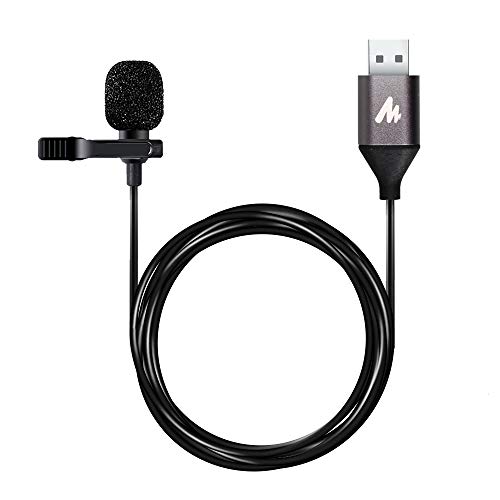
- Plug-and-play USB connection
- Supports up to 192 kHz/24-bit
- Includes clip and foam windscreen
Best For: Computer-based interviews and meetings
Best Wireless Pick

- USB-C and Lightning adapters included
- Wind protection and noise reduction
- Two mics with up to six hours of battery life
Best For: Mobile interviews and multi-device creators
Best for DJI Users

- Designed for DJI Mic and Mic 2
- Rotating design for flexible placement
- Compact 3.5 mm wired lavalier
Best For: Existing DJI receiver owners
Best Value Two-Pack
MAYBESTA Wireless Mini Microphone

- Two microphones for two-person interviews
- USB-C and Lightning compatibility
- Plug-and-play setup with phone-case-friendly receiver
Best For: Budget-conscious mobile interview creators
Best for Street Interviews
Movo Wireless Mini DI Ultra Compact Lavalier Mic

- Lightning receiver for iPhone recording
- Up to 10 hours of battery life
- Includes handheld adapter and windscreen
Best For: Mobile iPhone interviews, reporting, and vlogging
Best Two-Person Value
KUKIHO 2-Pack Wireless Lavalier Microphones

- Includes two wireless lapel microphones
- Works with phones and computers via adapters
- Plug-and-play operation with noise reduction
Best For: Two-person interviews and podcasts
Best for Multi-Device Use
Labstandard Dual Wireless Lavalier Mic Kit

- Two microphones for dual-speaker recording
- Adapters for Lightning and USB-C devices
- Noise reduction and claimed low-latency sync
Best For: Interviews across iPhone, iPad, and USB-C devices
Best Wireless Interview Kit – DJI Mic Mini (2 TX + Mobile RX)
For creators seeking a wireless lavalier microphone for interviews, the DJI Mic Mini combines discreet 10 g transmitters with a mobile receiver and plug-and-play compatibility for phones, PCs, and tablets. Its noise cancellation and automatic limiting are useful when recording in changing environments.
Best For: Mobile interviews, livestreams, and outdoor content where portability and noise control matter.
Pros:
- Two lightweight 10 g transmitters are discreet and comfortable to wear.
- Strong noise cancellation helps keep vocals clear in noisy settings.
- Up to 11.5 hours of operating time supports extended interview sessions.
- Works with iPhone, Android, PC, and tablet devices through USB-C.
Cons:
- The included mobile receiver setup is oriented toward mobile devices rather than a traditional camera receiver.
- Its 300 m maximum transmission range depends on recording conditions.
This is a practical choice for interviewers who want a compact wireless system with two transmitters, straightforward setup, and built-in safeguards against clipping.
Best Wired Option – RØDE Lavalier GO Professional Wearable Mic
The RØDE Lavalier GO is a straightforward wired lavalier microphone for interviews, using a standard 3.5 mm TRS connector for cameras, audio interfaces, and compatible wireless transmitters. Its small omnidirectional capsule is designed for flexible placement and discreet on-camera use.
Best For: Filmmakers, broadcasters, and interview setups that already use 3.5 mm audio equipment.
Pros:
- Omnidirectional pickup is forgiving when the mic shifts slightly on clothing.
- The 4.0 mm capsule provides discreet, broadcast-oriented audio capture.
- A Kevlar-reinforced 1.2 m cable is built for repeated use.
- Includes a clip with cable management and a foam pop shield.
Cons:
- It is wired, so cable management is required during interviews.
- The 3.5 mm TRS connector may require an adapter for devices without that input.
Choose the Lavalier GO when reliability and broad 3.5 mm compatibility are more important than wireless convenience. It is a simple, durable mic for controlled interview rigs.
Best Battery Life – DJI Mic Mini (2 TX + RX + Case)
The DJI Mic Mini charging-case system is a strong wireless lavalier microphone for interviews when recording time and flexible device support are priorities. It includes two transmitters, a receiver, camera and phone adapters, noise cancellation, and a charging case rated for up to 48 hours of battery life.
Best For: Long interview days, two-person conversations, travel, and creators working with cameras or smartphones.
Pros:
- Charging case provides up to 48 hours of battery life.
- Two transmitters support interviews with two speakers.
- Offers up to 400 m maximum transmission range and automatic limiting.
- Includes camera and USB-C phone connection options.
Cons:
- The full charging-case kit is heavier than the transmitter-only mobile package.
- Wireless performance can vary with the recording environment and distance.
For frequent interview production, this version stands out for its unusually long stated battery life and broader included connectivity. The case also keeps the transmitters ready between shoots.
Best USB Value – MAONO UL10 USB Lavalier Microphone
The MAONO UL10 is a plug-and-play USB lavalier microphone for interviews recorded directly to a computer. Its omnidirectional capsule, metal clip, foam windscreen, and USB connection make it a simple option for online interviews, meetings, podcasts, and video recording.
Best For: Computer-based interviews, conference calls, online meetings, and beginner recording setups.
Pros:
- USB plug-and-play design works with Windows PCs, Macs, laptops, and other USB 2.0 devices.
- Supports up to 192 kHz/24-bit recording according to the supplied product notes.
- Lightweight clip can attach to a collar, tie, or pocket.
- Includes a metal lapel clip and foam windscreen.
Cons:
- Its USB connection is intended for computers and is less suited to conventional camera rigs.
- The 78-inch cable can be less convenient than a wireless setup.
The UL10 makes the most sense for desk-based or remote interviews where a direct USB connection is preferable. It avoids wireless pairing while providing the basic accessories needed to start recording.
Best Wireless Pick – Mini Mic Pro
For creators seeking a lavalier microphone for interviews, the Mini Mic Pro offers a convenient wireless setup for phones, tablets, and laptops. It includes Lightning and USB-C adapters, noise-reduction features, wind protection, and up to six hours of recording per charge.
Best For: Mobile interviews, TikTok and YouTube creators, and users who need broad device compatibility.
Pros:
- Includes both USB-C and Lightning adapters for plug-and-play use.
- Comes with foam windscreens and dead cat covers for outdoor recording.
- Includes two lavalier microphones and supports up to six hours per charge.
- Lightweight design weighs under an ounce.
Cons:
- Its wireless receiver and adapters may be more equipment than needed for simple, single-person recordings.
- The supplied specifications list a 2.4 GHz frequency response rather than a conventional audio frequency range.
The Mini Mic Pro is a versatile choice when an interview setup needs wireless freedom, two microphones, and compatibility with both major phone connector types.
Best for DJI Users – DJI Lavalier Microphone
The DJI Lavalier Microphone is a compact wired option for anyone using a compatible DJI receiver. As a lavalier microphone for interviews, it focuses on discreet placement, flexible cable routing, and a rotating design that helps accommodate different recording angles.
Best For: DJI Mic and DJI Mic 2 owners who want a small, wired interview microphone.
Pros:
- Compatible with DJI Mic 2 and DJI Mic.
- Rotating design supports flexible recording angles.
- Cable routing helps prevent accidental unplugging.
- Compact, concealable form suits interviews, vlogs, and livestreams.
Cons:
- Compatibility is limited to a DJI receiver rather than direct phone connection.
- Uses a 3.5 mm TRS connector, so it is not a USB-C or Lightning plug-and-play microphone.
- Only one microphone is included.
This is a focused accessory rather than a complete wireless kit. It makes the most sense for existing DJI users who value a discreet lavalier and secure cable handling.
Best Value Two-Pack – MAYBESTA Wireless Mini Microphone
The MAYBESTA Wireless Mini Microphone is a practical two-mic kit for phone-based interviews and content production. It supports USB-C and Lightning devices, connects without an app or adapter setup, and includes noise reduction, windscreens, and a receiver designed to work with many phone cases.
Best For: Budget-conscious creators recording two-person interviews, podcasts, vlogs, or livestreams.
Pros:
- Two lavalier microphones are included for interviews with two speakers.
- Supports Android, iPhone, iPad, laptops, and tablets through USB-C or Lightning connections.
- Plug-and-play setup requires no app or separate adapter.
- Longer receiver interface is designed to work with most phone cases.
Cons:
- The supplied notes do not specify an exact battery runtime.
- Its listed audible-noise figure is higher than the other products in this comparison.
- Direct phone compatibility depends on selecting the appropriate receiver connector.
For creators who regularly record two people, the MAYBESTA stands out for its included pair of microphones and broad mobile compatibility. It is especially useful when removing a phone case before filming is inconvenient.
Best for Street Interviews – Movo Wireless Mini DI Ultra Compact Lavalier Mic
If you need a lavalier microphone for interviews with an iPhone, the Movo Wireless Mini DI combines a clip-on transmitter with a compact Lightning receiver. Its included handheld adapter also gives you the option to hold the microphone during reporting, presentations, or live events.
Best For: iPhone users recording street interviews, reporting, vlogs, and other mobile content.
Pros:
- Wireless 2.4GHz transmission reaches up to 164 feet in unobstructed conditions.
- Up to 10 hours of battery life supports extended recording sessions.
- Included handheld adapter adds flexibility for interviews and presentations.
- Compact design, carrying pouch, and windscreen suit outdoor use.
Cons:
- Lightning receiver is designed for iPhone compatibility rather than a broad range of devices.
- Single-channel setup is intended for one microphone transmitter.
This is a focused choice for iPhone creators who want a compact wireless interview setup with unusually long stated battery life and a handheld reporting option.
Best Two-Person Value – KUKIHO 2-Pack Wireless Lavalier Microphones
For interviews with two participants, this KUKIHO set provides two wireless lapel microphones and a plug-and-play receiver system. It supports iPhone, iPad, Android phones, and computers through the included port adapters, making it a versatile lavalier microphone for interviews and video production.
Best For: Two-person interviews, podcasts, vlogs, online meetings, and phone-based video recording.
Pros:
- Two microphones allow two people to record simultaneously.
- Plug-and-play operation requires no Bluetooth connection or app.
- Noise-reduction chip and windproof foam are designed to support clearer vocals.
- Receiver can charge the phone while recording.
Cons:
- Stated operating time is up to 4 hours per charge.
- Wireless range is listed as up to 66 feet in unobstructed environments.
- Compatibility depends on using the appropriate included iOS or USB-C adapter.
Its strongest advantage is the two-microphone configuration, especially for interview partners or co-hosts who want a simple setup across multiple phone and computer platforms.
Best for Multi-Device Use – Labstandard Dual Wireless Lavalier Mic Kit
The Labstandard K9 kit is built for creators who switch between Lightning and USB-C devices. With two wireless microphones, claimed low-latency synchronization, and a rechargeable Lightning adapter, it is a flexible lavalier microphone for interviews, podcasts, livestreams, and mobile video recording.
Best For: Creators recording two speakers across iPhone, iPad, and USB-C devices.
Pros:
- Includes two microphones for dual-speaker recordings.
- Supports both Lightning and USB-C devices through the included adapters.
- Noise reduction and real-time auto-sync are designed to improve voice clarity and timing.
- Approximately 6 hours of stated battery life and low claimed latency.
Cons:
- The kit’s broad compatibility may require checking the manual for specific functions.
- Omnidirectional pickup can capture surrounding sound along with voices.
- Its feature set may be more than needed for single-speaker recordings.
This kit stands out when flexibility matters: it offers two microphones and adapters for common mobile ports, making it a practical option for creators who regularly change recording devices.
How We Picked the Best Lavalier Microphone for Interviews
We focused on the factors that matter most during interviews: voice clarity, connection reliability, device compatibility, portability, setup time, and value. The selection includes wired lavalier microphones for straightforward recording, wireless systems for movement and two-person conversations, and phone-focused kits for mobile creators.
We also considered whether each microphone includes useful accessories such as transmitters, receivers, charging cases, clips, adapters, or handheld mounts. Features such as active noise cancellation and noise reduction can help in busy environments, but microphone placement and room conditions still have a major effect on results.
Quick Comparison
Wireless systems are generally the most flexible choice when an interviewer or subject needs to move. Dual-transmitter kits are especially useful for recording two people, while compact phone receivers reduce setup complexity for mobile video. Wired models are often lighter, less expensive, and free from battery concerns, but their cables can restrict movement.
| Type | Best For | Main Advantage | Potential Limitation |
|---|---|---|---|
| Dual wireless | Two-person interviews | Freedom of movement | Requires charging and compatibility checks |
| Single wireless | Solo creators and mobile video | Fast, uncluttered setup | May need extra transmitters for multiple speakers |
| Wired lavalier | Controlled shoots and backup audio | Simple and dependable | Cable management |
| Phone plug-and-play | Interviews recorded on smartphones | Minimal equipment | Connector support varies by device |
Key Buying Factors for a Lavalier Microphone for Interviews
Device and Connector Compatibility
Check whether the microphone works with your phone, camera, tablet, or computer. USB, USB-C, Lightning, 3.5mm, and proprietary wireless receivers are not interchangeable without the right adapter. Some phone kits are designed specifically for iPhone or Android devices.
Single or Dual-Person Recording
For interviews with two speakers, choose a kit with two transmitters or confirm that additional transmitters are supported. A single-transmitter system can be sufficient for solo presentations or when the interviewer is not recorded.
Noise Control and Voice Quality
Noise reduction can improve speech in busy locations, but aggressive processing may affect natural vocal tone. Look for a secure clip, a suitable windscreen, and consistent placement near the speaker’s chest. High-resolution specifications are useful, though they do not automatically guarantee better dialogue.
Battery Life and Monitoring
For longer sessions, prioritize practical battery life, a charging case, and clear battery indicators. Headphone monitoring or a receiver with useful status controls can help identify clothing rustle, interference, or a disconnected transmitter before the interview is over.
Who Should Buy Which Lavalier Microphone for Interviews?
Choose a dual wireless kit if you regularly record interviewer-and-guest conversations, move between locations, or want a clean setup without cables. Choose a compact phone-focused wireless mic for quick social videos, mobile journalism, and casual interviews shot on a smartphone.
Choose a wired lavalier when reliability, low cost, and simplicity matter more than movement. It is also a useful backup for a wireless system. Choose a higher-resolution USB model for computer-based interviews, vlogging, or recording directly into compatible desktop and mobile software.
Before buying, verify the exact included receiver, connector, microphone count, and supported operating devices. Those details can differ between package versions and are often more important than headline recording specifications.