Adding a microphone preamp with ADAT output is one of the easiest ways to expand an audio interface without replacing your existing setup. It can provide extra inputs for multi-mic sessions, drum recording, live tracking, or larger hardware-based workflows.
This roundup covers dedicated ADAT expanders, USB audio interfaces with optical expansion, and compact preamps suited to different budgets and recording needs. Use the buying guide below to compare compatibility, channel capacity, gain, and practical studio features before choosing.
Best 10 Microphone Preamp with Adat Output Picks for 2026
Best Expandable USB Hub

- Eight MIDAS mic preamps with 48V phantom power
- ADAT I/O and 18x20 USB connectivity
- Supports up to 24-bit/96 kHz recording
Best For: Home studios needing many inputs and digital expansion
Best Premium ADAT Preamp

- Eight Clarett preamps with analogue Air mode
- Eight channel inserts for external hardware
- 24-bit/192 kHz ADAT conversion
Best For: Studios wanting premium multitrack expansion
Best Compact Vocal Preamp

- Up to 75 dB of stated microphone gain
- 48V phantom power and balanced XLR output
- No ADAT output; uses analogue and 3.5mm outputs
Best For: Compact vocal and portable analogue recording setups
Best Two-Channel Interface Expansion

- Two Clarett+ preamps with analogue Air mode
- ADAT optical input for eight-channel expansion
- USB-C interface with 24-bit/192 kHz conversion
Best For: Small studios planning future ADAT expansion
Compact Gain Booster

- Clean 20dB balanced gain
- 48V power for dynamic and condenser microphones
- Compact low-noise metal housing
Best For: Basic home recording, podcasting, and streaming
Studio Expansion Hub
Scarlett 16i16 4th Gen Audio Interface

- ADAT, S/PDIF, MIDI, and USB-C connectivity
- Two mic preamps with 69dB gain
- 24-bit/192kHz conversion and 16-in/16-out design
Best For: Expandable recording studios and producers
Ultra-Low-Noise Specialist
RO03 66dB Mic and Instrument Preamp

- 19–66dB gain with stated -120dBV EIN
- Supports microphones and 1MΩ instrument input
- Portable Type-C power with XLR/TRS/TS outputs
Best For: Low-noise vocal and instrument recording
Best ADAT Mic Preamp Expander

- Eight XLR microphone preamp channels
- ADAT optical output for interface expansion
- 24-bit conversion at 44.1/48 kHz
Best For: Adding eight microphone inputs to an ADAT-equipped setup
Best Compact Mic Booster

- Up to +75 dB of microphone gain
- 48V phantom power for condenser mics
- XLR and 3.5mm output connections
Best For: Portable podcasting, streaming, and recording gain support
Best Advanced ADAT Interface
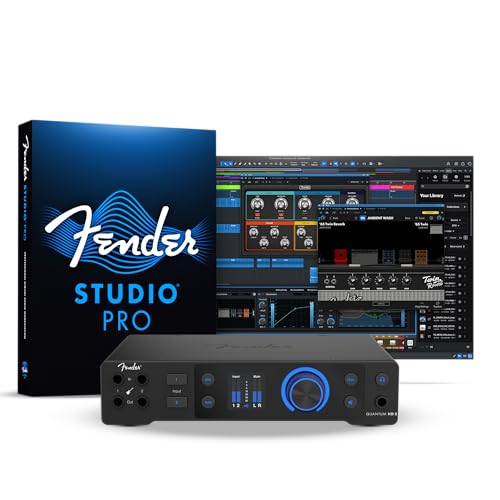
- MAX-HD preamps with 32-bit/192 kHz conversion
- ADAT and S/PDIF expansion I/O
- Auto Gain, loopback, and re-amp outputs
Best For: Hybrid studios needing an expandable USB-C interface
Best Expandable USB Hub – Behringer UMC1820
The Behringer UMC1820 is a practical choice when you need a microphone preamp with ADAT output alongside a full USB recording interface. It combines eight MIDAS-designed mic preamps, 48V phantom power, MIDI, and 18×20 computer connectivity in one rack-style unit.
Best For: Home studios and recording setups that need multiple microphone inputs plus ADAT-based expansion.
Pros:
- Eight MIDAS-designed mic preamps with 48V phantom power
- ADAT I/O supports digital expansion
- 18 inputs and 20 outputs over USB 2.0
- Supports recording at up to 24-bit/96 kHz
Cons:
- Its 96 kHz maximum is lower than some newer ADAT preamps
- More extensive than necessary for simple two-mic recording
The UMC1820 stands out as an affordable, high-channel-count option for users who want mic preamps, computer connectivity, and ADAT integration without assembling several separate devices.
Best Premium ADAT Preamp – Focusrite Clarett+ OctoPre
The Focusrite Clarett+ OctoPre is designed for buyers seeking a premium microphone preamp with ADAT output. Its eight Clarett preamps, analogue Air mode, channel inserts, and 24-bit/192 kHz conversion make it well suited to detailed multitrack recording.
Best For: Professional and project studios expanding an ADAT-equipped interface with high-quality preamps and outboard processing options.
Pros:
- Eight Clarett preamps with analogue Air circuitry
- Eight dedicated channel inserts for external hardware
- ADAT connectivity with up to 24-bit/192 kHz operation
- Includes JFET guitar inputs and balanced outputs
Cons:
- Higher-cost and more specialized than a basic preamp expander
- Requires an ADAT-equipped interface to serve as an expander
With its low-noise design, inserts, and high-resolution conversion, the Clarett+ OctoPre is a strong fit when clean expansion and flexible analogue routing matter more than keeping the setup minimal.
Best Compact Vocal Preamp – JCANOL MIC-1
The JCANOL MIC-1 is a compact standalone microphone preamp for adding up to 75 dB of gain to dynamic or condenser microphones. It offers 48V phantom power, balanced XLR output, and auxiliary 3.5mm outputs, but it is not an ADAT device, so it does not directly meet the needs of a microphone preamp with ADAT output.
Best For: Vocalists and mobile or compact recording setups that need clean analogue gain and flexible local outputs rather than digital ADAT expansion.
Pros:
- Up to 75 dB of stated gain for low-output microphones
- 48V phantom power supports condenser microphones
- Balanced XLR plus 3.5mm mic and line outputs
- Compact metal enclosure and three-year warranty
Cons:
- No ADAT output
- The two input ports cannot be used simultaneously
- Offers analogue outputs rather than multichannel digital expansion
The MIC-1 can be useful as a straightforward gain stage for vocals, dynamic microphones, or portable rigs. Choose a different product if ADAT connectivity is a firm requirement.
Best Two-Channel Interface Expansion – Focusrite Clarett+ 2Pre
The Focusrite Clarett+ 2Pre is a two-preamp USB-C interface with an ADAT optical input for adding compatible eight-channel equipment. Although it is not itself a microphone preamp with ADAT output, it can serve as the central interface in an expandable recording setup.
Best For: Solo producers and small studios that need two premium mic preamps now with a path to eight-channel ADAT expansion later.
Pros:
- Two Clarett+ preamps with analogue Air mode
- ADAT optical input provides eight-channel expansion
- 24-bit/192 kHz conversion and USB-C connectivity
- Includes JFET instrument inputs and a dedicated headphone output
Cons:
- ADAT is input-only, not an ADAT output
- Only two built-in microphone preamps
- USB-C bus power requires a 15W USB-C port
The Clarett+ 2Pre is a flexible starting point for a compact studio. Pair it with a compatible ADAT preamp when you need more microphone inputs, but do not choose it if the interface itself must provide ADAT output.
Compact Gain Booster – 20dB Microphone Preamp
If you need a simple microphone preamp with ADAT output, this compact unit is worth considering only for basic gain boosting. It provides 20dB of balanced amplification, 48V power, and a lightweight metal housing for home recording, podcasting, or streaming setups.
Best For: Beginners and mobile users who need a compact vocal or instrument gain booster.
Pros:
- Provides clean, transparent 20dB gain.
- Includes 48V power for dynamic and condenser microphones.
- Balanced, low-noise circuit is designed to minimize coloration.
- Compact black metal case is easy to carry and store.
Cons:
- The supplied information does not indicate an ADAT output.
- Offers less gain than the RO03 and Scarlett 16i16.
- Its feature set is relatively basic for larger studio systems.
This is a straightforward preamp for adding moderate gain, but buyers specifically seeking a microphone preamp with ADAT output should verify compatibility carefully because ADAT connectivity is not listed in the supplied specifications.
Studio Expansion Hub – Scarlett 16i16 4th Gen Audio Interface
For shoppers comparing a microphone preamp with ADAT output, the Focusrite Scarlett 16i16 is the most complete match in this group. It combines two mic preamps with ADAT, S/PDIF, MIDI, multiple line inputs and outputs, and USB-C connectivity for a flexible studio recording setup.
Best For: Producers who need ADAT expansion, multiple I/O, and detailed computer-based recording.
Pros:
- Includes ADAT, S/PDIF, MIDI, two mic preamps, and six line inputs.
- Offers 69dB of preamp gain and two Hi-Z inputs.
- 24-bit/192kHz converters provide a stated 122dB dynamic range.
- Auto Gain, Clip Safe, and Air modes support a streamlined workflow.
Cons:
- It is a full audio interface rather than a dedicated standalone mic preamp.
- Requires external power and a computer or compatible host for its USB workflow.
- May be more equipment than needed for a single-microphone setup.
The Scarlett 16i16 is the strongest choice here when ADAT connectivity is a priority. Its broad I/O and recording tools make it better suited to an expandable studio than a simple one-channel gain booster.
Ultra-Low-Noise Specialist – RO03 66dB Mic and Instrument Preamp
The RO03 is a single-channel mic and instrument preamp focused on high gain and low noise. While it may appear in searches for a microphone preamp with ADAT output, its listed connections are XLR, TRS, TS, and USB Type-C rather than ADAT, so it is better viewed as an analog front-end for an interface or mixer.
Best For: Vocalists, instrumentalists, and streamers needing substantial low-noise gain in a portable setup.
Pros:
- Offers a practical 19–66dB gain range with stated -120dBV EIN.
- Supports dynamic, condenser, ribbon microphones, and instruments.
- Provides XLR, TRS, and TS outputs, with three outputs usable simultaneously.
- Type-C power input improves portability and power-source compatibility.
Cons:
- ADAT output is not listed.
- The two input ports cannot operate simultaneously.
- For lowest noise, the manufacturer recommends connecting to an interface’s TRS line input with a suitable cable.
Choose the RO03 for flexible analog gain staging and instrument compatibility rather than digital expansion. If your setup specifically requires ADAT, you will need an additional compatible interface or a different product.
Best ADAT Mic Preamp Expander – 8-Channel Midas Preamps
Behringer ADA8200 Audiophile 8 In/8 Out ADAT Audio Interface with Midas Mic Preamplifiers
Check Price On AmazonIf you need a microphone preamp with ADAT output to expand an existing interface, the Behringer ADA8200 provides eight XLR microphone inputs and ADAT optical connectivity. Its 24-bit converters support 44.1 and 48 kHz operation, making it a practical choice for adding multiple analog inputs to a compatible digital setup.
Best For: Home studios and recording systems that need eight additional microphone inputs through ADAT.
Pros:
- Eight microphone preamplifier channels with Midas preamps
- ADAT optical output for compatible interface expansion
- 24-bit AD/DA conversion at 44.1 or 48 kHz
Cons:
- Maximum sample rate is limited to 48 kHz
- Requires a compatible ADAT-equipped device for digital expansion
The ADA8200 is a straightforward, high-channel-count solution when your priority is adding eight mic inputs rather than using a standalone USB interface.
Best Compact Mic Booster – High-Gain Dual-Input Preamp
The XTUGA XIC1 is a compact microphone preamp designed for dynamic and condenser microphones, offering up to +75 dB of gain. It is useful for podcasting, streaming, and recording setups that need extra analog gain, but it does not list an ADAT output, so it is not a direct match for digital ADAT expansion.
Best For: Creators who need portable high-gain microphone boosting with XLR and 3.5mm outputs.
Pros:
- Up to +75 dB of clean, transparent gain
- 48V phantom power supports condenser microphones
- Dual-channel inputs accommodate a dynamic and condenser mic simultaneously
- Compact metal enclosure with XLR and 3.5mm outputs
Cons:
- No ADAT output is specified
- It is an analog preamp rather than a multichannel ADAT interface
The XIC1 makes sense when gain, portability, and flexible output connections matter most. Choose a different product if ADAT connectivity is an essential requirement.
Best Advanced ADAT Interface – 20×24 USB-C Studio Hub
The Fender Quantum HD 2 combines MAX-HD microphone preamps with USB-C recording and ADAT expansion. For buyers seeking a microphone preamp with ADAT output plus a broader studio interface, it offers 32-bit/192 kHz conversion, S/PDIF I/O, auto gain, loopback, and re-amp outputs in a compact desktop unit.
Best For: Musicians and hybrid studios that need high-resolution USB recording with ADAT and S/PDIF expansion.
Pros:
- MAX-HD mic preamps and 32-bit/192 kHz converters
- ADAT and S/PDIF I/O support studio expansion
- Auto Gain, loopback, DSP monitoring, and dual re-amp outputs
- Includes Fender Studio Pro software license
Cons:
- More features than needed for a simple ADAT preamp expansion task
- ADAT is provided as part of a USB-C audio interface rather than a dedicated standalone preamp
The Quantum HD 2 is the most feature-rich option here for a computer-based studio. It is a strong fit when ADAT expansion is only one part of a larger recording and routing workflow.
How We Picked the Best Microphone Preamp with Adat Output
We prioritized products that can add useful microphone inputs or integrate with an ADAT-equipped recording system. Selection factors included preamp count, gain range, noise performance, phantom power, ADAT input and output support, USB connectivity, monitoring options, and overall flexibility. Because the list includes both dedicated expanders and complete audio interfaces, confirm the exact optical configuration before buying: some models provide ADAT output for expansion, while others also accept ADAT input or function as a standalone interface.
Quick Comparison
| What to compare | Best for | What to check |
|---|---|---|
| 8-channel ADAT preamp | Expanding a studio interface | Optical output format, sample-rate limits, and clocking |
| USB interface with ADAT | All-in-one recording systems | Computer connections, driver support, and routing |
| Compact mic preamp | Simple vocal or instrument setups | Whether it actually includes ADAT output |
| Higher-end multi-channel unit | Drums, bands, and commercial sessions | Conversion quality, gain consistency, and monitoring control |
Key Buying Factors for a Microphone Preamp with Adat Output
Compatibility and Channel Count
ADAT commonly carries up to eight channels at standard sample rates, but channel capacity can fall at 88.2 or 96 kHz through S/MUX. Check your interface’s optical input, supported sample rates, and available expansion channels. Also verify whether the preamp sends clock through ADAT or needs a separate word-clock connection.
Gain, Noise, and Microphone Support
Dynamic and ribbon microphones may need substantial clean gain, while condensers require reliable 48V phantom power. Look for low equivalent input noise and enough headroom for loud sources. Independent phantom switching is useful when combining condenser and passive ribbon microphones.
Routing and Studio Workflow
Front-panel metering, direct monitoring, inserts, line inputs, and MIDI can matter as much as the preamp circuitry. A USB interface may be more useful for mobile recording, while a dedicated ADAT unit is often simpler for permanent expansion.
Build Quality and Future Expansion
Choose a sturdy rackmount or desktop format that suits your space. Consider whether you may later add another converter, external clock, or additional interface. Avoid paying for features your current system cannot use.
Who Should Buy Which Microphone Preamp with Adat Output?
Choose an eight-channel ADAT preamp if you already own an interface with optical input and need more microphone channels for drums, ensembles, or simultaneous tracking. Pick a USB interface with ADAT if you want one device for computer recording plus future expansion. A compact standalone preamp is better for a small vocal or instrument chain, but confirm its digital connectivity carefully because similarly named products may offer only analog outputs. For larger studios, prioritize clean gain, stable clocking, flexible routing, and dependable driver support over headline channel counts.